
Plants
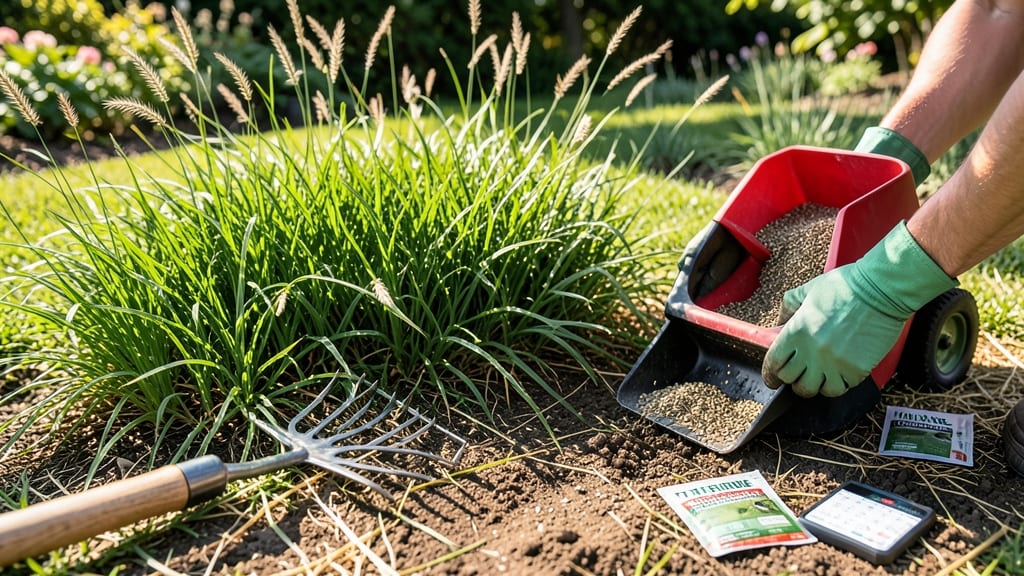
Planting grass seed in Missouri at the right time means the difference between a lush lawn and wasted effort — aim for early spring or fall when soil temperatures and moisture align perfectly for germination.
Missouri’s climate throws a curveball: northern regions like St. Louis face frost risks well into April, while southern areas like Springfield can bake seedlings by late March. Too early, and frost zaps your seedlings; too late, and summer heat dries out new roots before they take hold.
The sweet spot is a 4-6 week window before your first frost in fall or after the last spring frost, when soil stays consistently above 55°F.
Most Missouri gardeners swear by late August or early September for fall planting, when temperatures cool but still hold enough warmth for seedling vigor. Spring planting? Wait until mid-April in the north, but you can start as early as late February in southern Missouri’s warmer microclimates.
The key is tracking soil temps — a soil thermometer is your best friend here.
In this guide, I’ll break down the exact planting windows by region, how to prep your soil for fast germination, and the best grass types for Missouri’s clay-heavy dirt. No more guessing — just science-backed timing for a lawn that thrives.
Best months to plant grass seed in Missouri by region (northern vs southern microclimates)
Missouri’s climate varies dramatically from its cool northern regions to warmer southern zones, making timing critical for grass seed success. The Missouri State University Extension recommends planting during optimal soil temperatures—typically 50°F to 65°F—to ensure fast germination and strong root development.
Northern Missouri’s shorter growing season demands earlier planting, while southern areas can extend windows into late spring.
Cool-season grasses like Kentucky bluegrass and tall fescue thrive in Missouri’s transitional climate, while warm-season varieties such as Bermuda grass dominate southern lawns.
Understanding your USDA Zone (5b-6b) and last frost dates (April 15 in north, March 15 in south) will help you avoid frost damage or summer heat stress for seedlings.
Soil temperature is the most critical factor—seeds won’t sprout below 50°F, and above 75°F can cause dormancy. Use a soil thermometer to check depths of 2-4 inches before planting. Northern Missouri’s earlier frost risks mean fall planting must occur by mid-September, while southern regions can push into early October.
For northern Missouri, focus on early spring planting (April–May) when soil warms consistently. Cool-season grasses like tall fescue establish quickly in these conditions, but avoid planting if frost is forecasted within 2 weeks.
In central Missouri, both spring and fall windows work, but August–September offers ideal 60°F–65°F soil temps without summer heat stress.
Southern Missouri’s warmer microclimate allows for earlier spring (February–March) and later fall (September–October) planting. Bermuda grass thrives here but requires soil temps above 65°F to germinate. Always check 7-day forecasts to avoid planting before consistent rainfall or extreme heat waves.
Missouri’s clay-heavy soils can delay warming—amend with compost or sand to improve drainage and heat absorption. Test soil 2 weeks before planting to confirm 50°F+ temperatures at 2-inch depth. In drought-prone areas, prioritize deep watering (1 inch per week) to prevent seed desiccation.
Pro tip: Use a seed germination calculator (available from Missouri State University Extension) to input your ZIP code and receive personalized planting dates. This accounts for local microclimates like urban heat islands or shaded yards.
For shady lawns, opt for fine fescue and plant in early fall when daylight fades gradually.
After sowing, maintain consistent moisture for 2–3 weeks—use a sprinkler with fine mist to avoid displacing seeds. Northern regions should mulch lightly with straw to insulate against late spring frosts, while southern areas may need shade cloth during peak summer heat.
Remember: Fall planting often yields thicker lawns because cooler temps reduce weed competition and disease pressure. In Missouri, September is the sweet spot for cool-season grasses across all regions, provided soil temps stay above 50°F. For warm-season grasses, late spring (after May 1) ensures consistent heat for germination.
How to prepare your Missouri lawn for grass seed planting (soil, weather, and seed selection tips)
Preparing your Missouri lawn for grass seed planting starts with understanding your local microclimate. Missouri’s clay-heavy soils and variable weather demand careful prep to ensure optimal germination.
Whether you’re planting cool-season grasses like tall fescue or warm-season types like Bermuda grass, these steps will set you up for success.
Your first task is testing the soil pH. Missouri’s ideal range is 6.0–7.0, but clay soils often skew acidic (below 6.0). Use a soil test kit from your local extension office—they’re affordable and provide actionable results.
If your soil is too acidic, amend it with lime (calcium carbonate) 4–6 weeks before planting.
🌱 Key Takeaway: Best Planting Window for Missouri
Cool-season grasses (tall fescue, Kentucky bluegrass): Plant 4–6 weeks before first frost (early September–October) or after last frost in spring (mid-March–April). Soil temps should be 50–65°F.
Warm-season grasses (Bermuda, zoysia): Plant in late spring (May–June) when soil temps exceed 65°F and stay above 70°F for 2+ weeks.
⏰ Pro Tip: Check the 7-day forecast for consistent moisture—drought or heavy rain can derail germination.
Next, focus on soil texture. Missouri’s clay soils compact easily, smothering seeds. Rent a rototiller or use a broadfork to loosen the top 4–6 inches of soil.
Mix in 2–3 inches of compost or aged manure to improve drainage and fertility. Avoid fresh manure—it can burn seedlings due to high ammonia levels.
Choosing the right grass seed blend depends on your lawn’s sunlight exposure and foot traffic. For shady areas, opt for fine fescue mixes. Full-sun lawns thrive with tall fescue (drought-tolerant) or Kentucky bluegrass (soft but high-maintenance).
If your lawn gets heavy use, consider Bermuda grass for its durability.
Weather monitoring is non-negotiable. Use a soil thermometer to confirm temps—cool-season grasses need 50–65°F soil temps, while warm-season types require 65–75°F. Pair this with a 7-day forecast to avoid planting during extended dry spells or prolonged rain. Aim for consistent moisture in the first 2–3 weeks post-planting.
Finally, level the soil and remove debris. Rake the area to create a fine, crumbly texture—seeds should barely be covered (¼ inch max).
Lightly roll the soil with a lawn roller to ensure seed-to-soil contact. Water gently with a fine mist to settle seeds without washing them away.
With these steps, your Missouri lawn will be primed for fast, even germination. Keep an eye on moisture levels and seedling health—your hard work will pay off with a thick, resilient lawn by next season. 🌱