
Plants
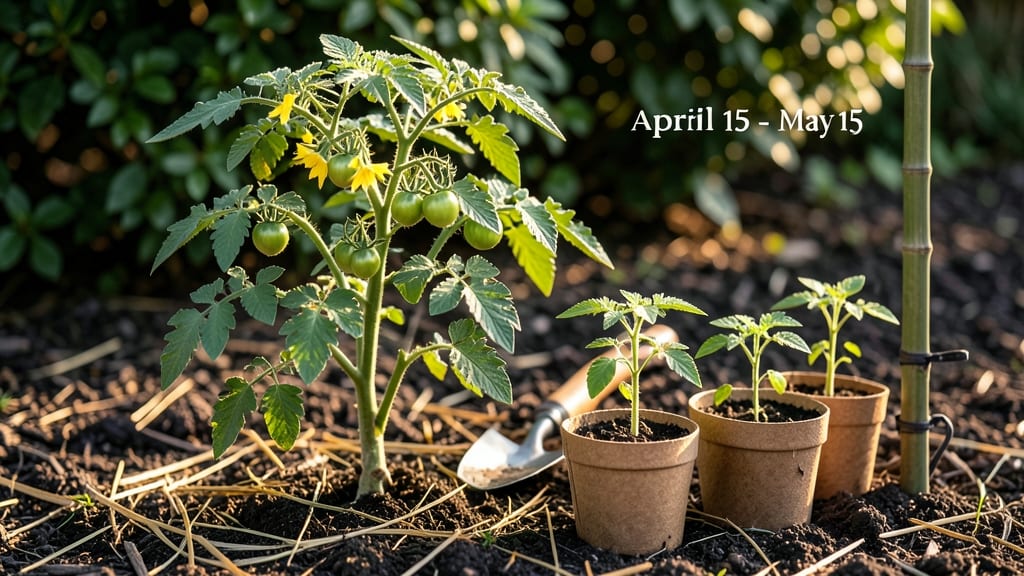
Planting tomatoes in Indiana at the right time means the difference between a bountiful harvest of ripe 🍅 fruit and wilting vines lost to frost or disease.
Indiana’s unpredictable spring weather can make tomato planting a gamble—but timing it right ensures juicy, vine-ripened harvests instead of blighted failures.
Most gardeners in Zone 6a wait until after the last frost (typically mid-April to mid-May), but soil temperature is the real game-changer. Seeds need 50°F+ soil, while transplants thrive at 60°F+—and a simple thermometer (or even your elbow) can tell you when it’s safe to plant.
In this guide, I’ll walk you through the exact planting window for your Indiana county, how to prep your soil for success, and pro tips to extend your harvest—no matter if you’re in northern or southern Indiana.
Indiana tomato planting calendar: soil temperature rules for Zones 5-6
Indiana’s spring frost dates can shift dramatically from year to year, but soil temperature remains the most reliable indicator for planting tomatoes. For Zones 5-6, your window hinges on two critical thresholds: 50°F for seeds and 60°F for transplants.
These aren’t just arbitrary numbers—they ensure your plants grow strong roots instead of stunting from cold stress.
Northern Indiana (e.g., LaPorte, Elkhart) typically waits until late May to avoid late frosts, while Southern Indiana (e.g., Evansville, Bloomington) can start as early as mid-April.
The difference isn’t just weeks—it’s about disease resistance and fruit set. Tomatoes planted too early in cool soil often develop blight or fail to flower.
Pro Tip: Use a soil thermometer (or the "barefoot test"—if your feet feel cold, the soil isn’t ready). Purdue Extension confirms that consistent 60°F soil for 5+ days is ideal for transplants, while seeds need 50°F for 7+ days to germinate reliably. Skipping this step is a fast track to failed harvests.
Here’s the side-by-side comparison of planting timelines for North vs. South Indiana, including direct sowing vs. transplanting strategies to maximize your yield:
If you’re direct sowing seeds, aim for 2–3 weeks before your region’s last frost date. For example, in Northern Indiana, that means waiting until late May—but if you’re using transplants, you can start as early as mid-April in Southern Indiana.
The key is consistency: Tomatoes hate temperature swings, so avoid planting when nighttime temps dip below 55°F.
For transplants, harden them off for 7–10 days before moving to the garden. This means gradually exposing them to Indiana’s wind and sun to prevent shock. Skip this step, and you’ll end up with wilting plants that struggle to recover.
Pro growers swear by row covers for the first 2 weeks post-transplant to buffer against unpredictable Indiana weather.
One common mistake? Planting too early based on air temperature alone. Soil stays cold long after the air warms up—especially in clay-heavy Indiana soils. Test your soil’s readiness by burying a thermometer 2 inches deep for 24 hours.
If it reads below 60°F, wait. Rushing leads to rot, not speed.
For fall planting (a trick some Indiana gardeners use), aim for late July to early August—giving your tomatoes 60–70 days to mature before the first frost. Use heat-tolerant varieties like ‘Celebrity’ or ‘Better Boy’, and mulch heavily to insulate roots.
Just remember: fall tomatoes need warmer soil too—don’t let the air temperature fool you.
Finally, track your local microclimate. A south-facing slope warms up faster than a low-lying area, so adjust your planting date by 1–2 weeks if your garden sits in a warmer spot. Use Purdue’s Frost/Freeze Maps as a baseline, but trust your soil thermometer for the final call.
By following these soil temperature rules and regional adjustments, you’ll avoid the heartbreak of blighted plants and enjoy juicy, vine-ripened tomatoes all season long. Happy planting! 🌱
5 Signs your Indiana soil is Actually Ready for Tomatoes (Beyond the Calendar)
Counting frost dates is just the start—Indiana’s clay-heavy soil and unpredictable spring demand deeper checks before planting tomatoes. A soil thermometer reading of 60°F+ is the baseline, but real readiness lies in what your soil actually offers.
Skip the guesswork with these field-tested signs that prove your garden is truly tomato-ready.
Forget calendar dates—your tomato seedlings whisper clues about soil health. Look for deep green leaves with no yellowing edges, signaling proper nitrogen availability. If new growth appears wilted by midday, your soil’s moisture retention needs improvement (more on this below).
These visual cues often reveal hidden compaction common in Indiana’s clay soils.
🌱
✅ 5 Field Tests for Indiana Tomato Soil Readiness
- 1. Barefoot Test: Press your foot into moist soil—if it springs back slowly, your clay soil needs organic matter (compost or aged manure).
- 2. Soil Thermometer: Measure 60°F+ at 4" depth for 3+ days. Use a DIY alternative: Bury a thermometer in a black bucket filled with water—it mimics soil warming.
- 3. Moisture Retention: Dig a 6" hole, fill with water, and time how long it takes to drain. Clay soils should drain in 4–6 hours; faster means amend with peat moss.
- 4. pH Check: Test for 6.0–6.8 pH using a dollar-store kit. Indiana’s limestone-rich soil often skews alkaline—add sulfur if needed.
- 5. Seedling Survival: Plant a test tomato in a pot with your garden soil. If it thrives for 7 days without wilting, your soil’s drainage and nutrients are balanced.
Pro Tip: Mix 1 inch of compost into the top 6" of soil before planting to boost microbe activity—critical for Indiana’s cool, wet springs.
Indiana’s clay soil can feel like concrete when dry, but with the right amendments, it becomes a tomato powerhouse. If your barefoot test reveals compacted soil, mix in coarse sand or perlite to improve aeration.
For waterlogged areas, raise beds with straw bales or gravel to prevent root rot—a common pitfall in Indiana’s humid climate.
Don’t let false starts derail your harvest. If your soil thermometer fluctuates below 60°F after sunset, delay planting. Use black plastic mulch to warm soil 5–10°F faster—a game-changer for late-May Indiana plantings. Pair this with row covers to protect seedlings from unexpected frost until June.
🌿