
How To
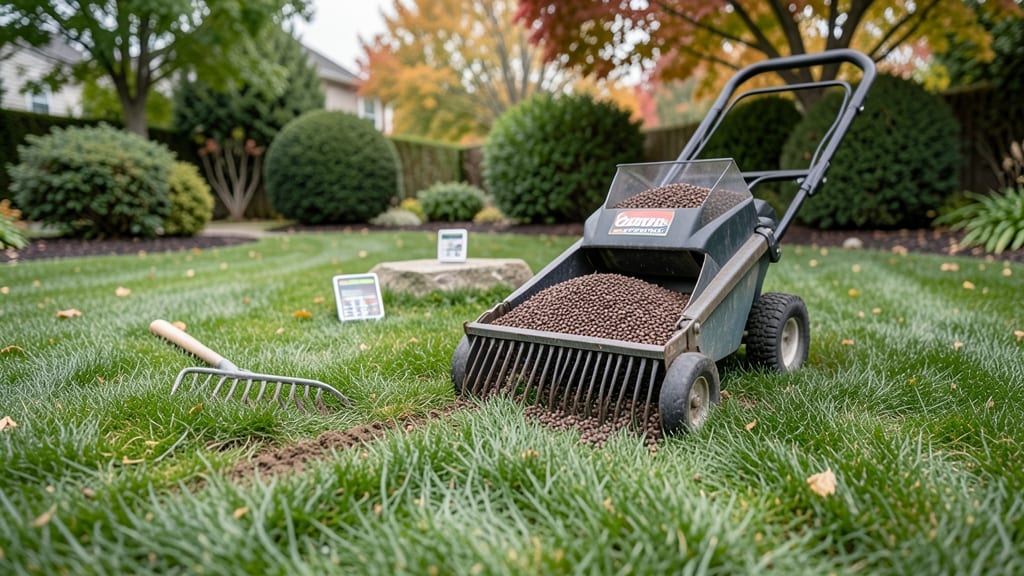
Fall fertilizing your garden at the right time is the key to stronger roots and a more resilient landscape next spring.
Fall fertilization isn’t just about feeding your plants—it’s about preparing them for winter dormancy and setting the stage for explosive spring growth. Timing matters, but many gardeners get it wrong, risking weak roots or wasted nutrients.
If you’ve ever wondered why some plants thrive year after year while others struggle, the answer often lies in when—and how—you fertilize in the fall. A well-timed feeding boosts nutrient storage, improves soil health, and even helps plants survive frost better.
In this guide, I’ll break down the best months to fertilize in your region, the right fertilizers to use, and how to avoid common mistakes that can harm your plants before winter.

Fall fertilization timeline: month-by-month schedule for optimal root growth
Fall fertilization is your secret weapon for stronger roots and healthier plants next season. The key is timing—apply nutrients too early, and you risk late-season growth that won’t harden off before frost. Too late, and your plants miss the chance to store nutrients for spring.
I’ll walk you through the perfect schedule for September, October, and November, tailored to your climate and plant types.
Most gardeners focus on spring feeding, but fall is when plants actively store nutrients in their roots. This process helps them survive winter and bounce back faster in spring.
The goal? Feed plants 6-8 weeks before your first frost date. For USDA Zone 6a, that’s roughly mid-October, but adjust based on your local climate.
The right timing depends on your plant types and climate zone. Perennials, lawns, and cool-season vegetables benefit most from fall fertilization, while tender plants should avoid late-season feeding.
Below, I’ve broken down the ideal schedule for warm climates (like Zones 8+) and cool climates (Zones 3-7) to help you plan.
| Month | Cool Climates (Zones 3-7) | Warm Climates (Zones 8+) | Best For | Avoid |
|---|---|---|---|---|
| September | Light feeding (slow-release or compost) | Full feeding (balanced NPK 10-10-10) | Perennials, lawns, cool-season veggies | Tender annuals, frost-sensitive plants |
| October | Moderate feeding (phosphorus-rich) | Light feeding (organic matter) | Bulbs, shrubs, evergreens | Newly planted trees/shrubs |
| November | Light top-dressing (compost) | None (unless warm winters) | Lawns, established perennials | Anything not winter-hardy |
🌱 Pro Tip: Always water deeply after fertilizing to help nutrients reach roots.
In September, focus on light feeding for perennials and lawns. Use a balanced fertilizer (like 10-10-10) or organic options such as compost or worm castings. This gives plants a nutrient boost without encouraging late-season growth.
For warm climates, you can apply a full dose now, but in cool climates, hold off on heavy feeding until October.
By October, shift to phosphorus-rich fertilizers (like bone meal or 5-10-10) to encourage root development. This is especially critical for bulbs, shrubs, and evergreens, which need to store energy for winter.
In Zone 8+, reduce feeding to avoid stimulating growth too close to winter. Instead, focus on organic matter like compost to improve soil structure.
November is your last chance to top-dress lawns and established perennials with compost or a light slow-release fertilizer. In cool climates, this helps roots harden off before frost.
In warm climates, skip fertilization entirely unless you have winter-active plants like citrus or palm trees, which need a light feeding in late fall.
One common mistake is over-fertilizing before winter. Excess nutrients can burn roots or encourage weak, frost-sensitive growth. Always follow the package guidelines and water thoroughly after applying fertilizer. For lawns, use a high-nitrogen fertilizer in September, then switch to a low-nitrogen, high-phosphorus blend in October.
For vegetable gardens, focus on cool-season crops like kale, spinach, and carrots. These benefit from a light feeding in September with a balanced fertilizer. Avoid fertilizing warm-season crops like tomatoes or peppers after mid-August—they won’t recover in time for winter.
If you’re unsure about your first frost date, check local weather records or use a frost calendar for your area. Aim to fertilize 6-8 weeks before the average frost date. For example, if frost hits November 15, your last feeding should be around September 20 for cool climates.
Remember, the goal of fall fertilization is to strengthen roots, not stimulate top growth. By following this timeline, your plants will enter dormancy healthier and recover faster in spring. Happy gardening!
Signs your plants need fall fertilizer (and when to Skip it)
Fall is the perfect time to assess your plants' health and determine if they need a nutrient boost before winter. Look for yellowing leaves on evergreens or stunted growth in perennials—these are classic signs your plants are nutrient-deficient and could benefit from fall fertilization.
Healthy plants store nutrients in their roots during this season, giving them a head start in spring.
But not all plants need fall fertilizer. Cool-season crops like kale or spinach often thrive without additional feeding, while tender perennials may need a light application. Over-fertilizing before winter can burn roots or encourage late-season growth that won’t survive frost. Always check your plant type before applying fertilizer.
When to Fall Fertilize
- ✅ Do fertilize: 6-8 weeks before first frost for perennials, shrubs, and lawns.
- ✅ Do fertilize: Evergreens and needle-bearing plants to support winter resilience.
- ✅ Do fertilize: Vegetable gardens (like carrots or beets) if soil tests show low nutrients.
- ❌ Skip fertilizing: Tender annuals or frost-sensitive plants (e.g., tomatoes, peppers).
- ❌ Skip fertilizing: Plants already stressed (wilted, diseased, or drought-affected).
- ❌ Skip fertilizing: Soil tests show high nutrient levels (test before applying!).
Start by performing a simple soil test to check nutrient levels. Most garden centers sell DIY kits for under $20. If your soil is deficient in phosphorus or potassium, these are the nutrients to focus on in fall.
Phosphorus (P) strengthens roots, while potassium (K) helps plants withstand cold temperatures.
Observe your plants' growth patterns. If new leaves are small or discolored, it’s a sign they’re struggling to access nutrients. For example, yellowing between leaf veins often indicates iron deficiency, while purple stems suggest phosphorus starvation. Address these issues with a balanced fertilizer or compost.
Deciduous trees and shrubs often show signs of nutrient needs by dropping leaves prematurely or producing sparse foliage. If your roses or hydrangeas have fewer blooms than usual, a late-season feeding can encourage stronger root systems for next year’s growth.
However, avoid fertilizing after the first frost—it’s too late for plants to absorb nutrients.
If your lawn has thin patches or brown spots, fall is an ideal time to apply a slow-release fertilizer. Cool-season grasses like fescue or ryegrass benefit from fall feeding, but warm-season grasses like Bermuda or Zoysia should skip it.
Always water deeply after fertilizing to help nutrients reach the roots.