
How To
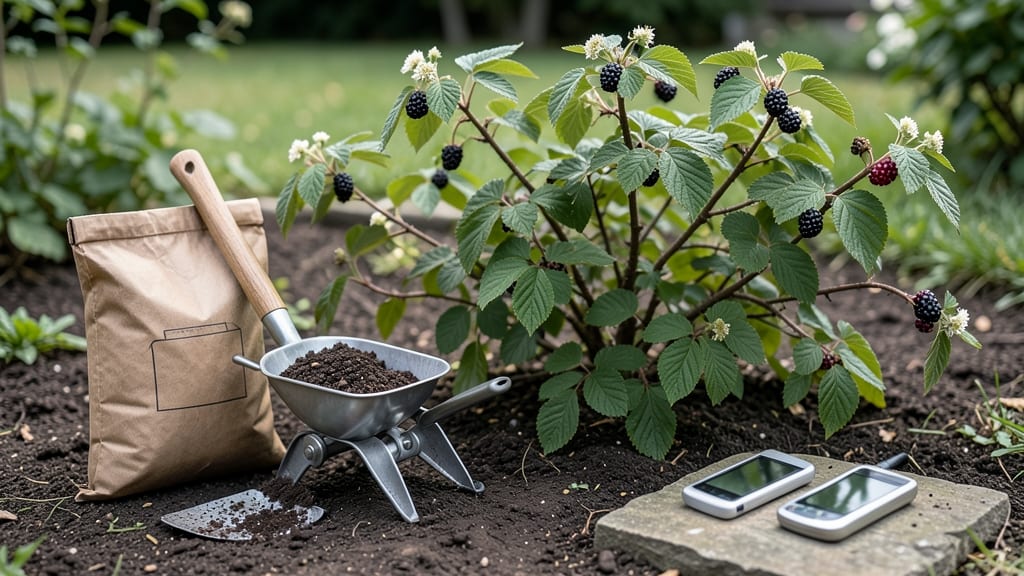
Fertilizing black raspberries at the right time—early spring and after harvest—is the key to strong canes and sweet fruit 🍇.
Black raspberries reward patient gardeners with juicy, flavorful fruit—but only if they get the right nutrients at the right time. Timing your fertilization correctly can mean the difference between weak canes and a bountiful harvest.
In zone 6a, the best window starts in March when new growth appears, then again in July after you’ve picked the last berries. Too early, and you risk burning tender roots; too late, and your plant won’t have time to recover before winter.
Below, I’ll walk you through the exact schedule, the best fertilizer types, and how to spot when your plants are begging for more—or when they’ve had enough.

Best times to fertilize black raspberries for maximum growth
Timing your black raspberry fertilization is just as important as choosing the right fertilizer. These juicy, flavorful berries thrive when fed at precise moments during their growth cycle. Fertilizing too early or too late can lead to weak canes, poor fruiting, or even plant stress.
Understanding the optimal fertilization windows ensures your plants develop strong roots, vigorous canes, and abundant harvests.
For black raspberries, the growing season begins in early spring when new canes emerge. This is when you should start thinking about fertilization. The key windows are early spring (just before bud break), late spring to summer (during fruiting), and post-harvest (for recovery).
Each stage requires a different approach to avoid over-fertilization or nutrient imbalances that can harm your plants.
Summary Table: Best Fertilization Times for Black Raspberries
My early spring fertilization (March-April) is crucial for jumpstarting growth after winter dormancy. Apply a balanced fertilizer (like 10-10-10) or well-aged compost when the soil is workable but before buds break.
This timing helps establish strong root systems and promotes healthy cane development. Avoid fertilizing too early—cold soil can lock up nutrients, preventing your plants from absorbing them efficiently.
If you're in warmer climates (USDA Zones 8-10), you may need to fertilize slightly earlier, around late February. Always check soil temperature—it should be at least 50°F (10°C) for optimal nutrient uptake.
In colder regions (Zones 3-6), wait until late April or early May when frost risk has passed and new growth is visible.
During late spring to summer, shift to a high-phosphorus fertilizer (like 5-10-10) when flowers appear. Phosphorus supports root development and fruiting, while potassium (the second number) helps with disease resistance.
I recommend applying this fertilizer in early May and again in mid-June to sustain fruit production. Organic options like bone meal or fish emulsion work well too.
For post-harvest recovery, switch to a low-nitrogen fertilizer (5-5-5) or compost in early September. This helps your plants prepare for dormancy without encouraging late-season growth that could be damaged by frost.
Over-fertilizing at this stage can lead to soft, weak canes that won’t survive winter. Think of it as a light recovery meal before hibernation.
One mistake I see often is over-fertilizing in fall. Black raspberries need time to harden off before winter, and excess nitrogen can keep them growing when they should be dormant.
Always stop fertilizing by mid-September in most climates. In warmer areas, you might extend this to early October, but never later—your plants will thank you with stronger canes next spring.
Organic vs. synthetic fertilizers both work, but timing matters more. Synthetic fertilizers provide immediate nutrients, while organic options release nutrients slowly, reducing the risk of over-fertilization.
I often use a mix—synthetic for quick boosts during fruiting and organic for long-term soil health. Always water thoroughly after applying fertilizer to prevent root burn.
Watch your plants for signs of nutrient stress. Yellow leaves may indicate nitrogen deficiency, while brown leaf edges suggest over-fertilization. Adjust your schedule based on these cues. With the right timing, your black raspberries will reward you with juicy, flavorful fruit year after year.
How to choose the right fertilizer type for black raspberry canes
Black raspberries thrive when given the right nutrients, but choosing between organic and synthetic fertilizers can feel overwhelming. Each type offers unique benefits for your plants' canes and fruit production.
Organic options like compost, manure, and fish emulsion build soil health slowly, while synthetic NPK fertilizers provide quick nutrient boosts. Understanding their differences helps you make the best choice for your garden.
Before selecting a fertilizer, consider your soil type and plant health goals. Black raspberries prefer slightly acidic soil (pH 5.5-6.5) and benefit from consistent nutrient availability. A soil test reveals deficiencies, guiding your fertilizer selection.
For example, if your soil lacks nitrogen, a balanced NPK fertilizer might be ideal, while phosphorus-heavy options support root and fruit development.
Organic Fertilizers
Synthetic Fertilizers
For organic fertilizers, compost is my top recommendation.
Work 2-3 inches of well-aged compost into the soil at planting and again in early spring. Fish emulsion (5-10-5 ratio) is another great choice—dilute it to 1-2 tablespoons per gallon of water and apply every 4-6 weeks during the growing season. Manure, like cow or chicken, should be composted first to avoid burning roots.
If you prefer synthetic fertilizers, opt for a balanced NPK ratio like 10-10-10 or 12-12-12. Apply ½ cup per plant in early spring and again after harvest.
For a phosphorus boost (critical for fruiting), use a 5-10-10 formula. Always follow label instructions to avoid over-fertilization, which can weaken canes and reduce fruit quality.
Regardless of your choice, timing matters. Avoid fertilizing in late summer or fall, as new growth won’t harden off before winter. Instead, focus on early spring (when buds swell) and post-harvest (late July-August) to support recovery.
A light feeding in early spring encourages strong cane growth, while summer feeds maintain fruit production.
My final tip: Combine both types for optimal results. Use organic matter to build soil health year-round and synthetic fertilizers for targeted nutrient spikes. For example, add compost in fall and top-dress with a balanced synthetic in spring.
This hybrid approach ensures your black raspberries get the best of both worlds—nutrient-rich soil and immediate plant vigor. 🌱