
How To
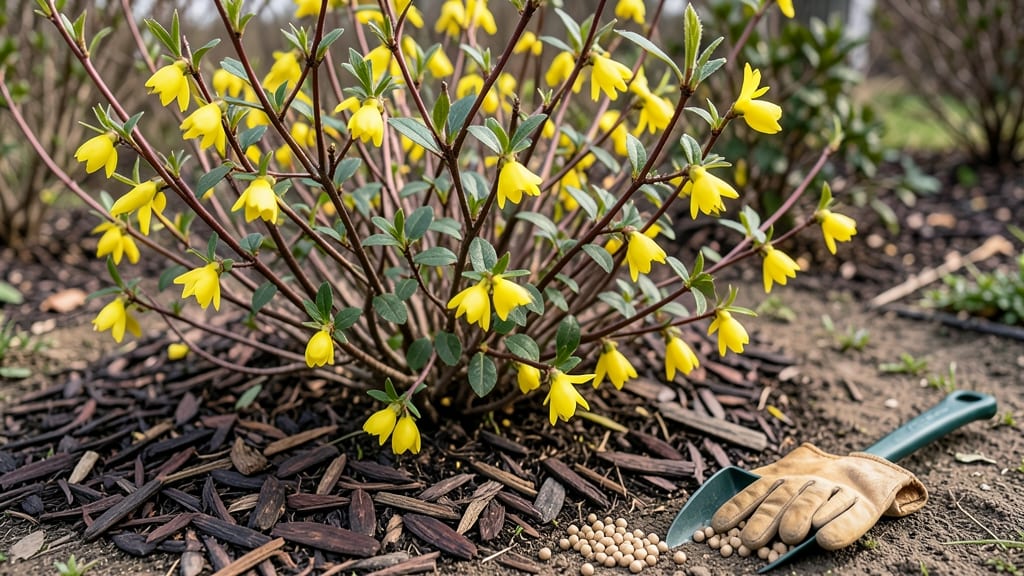
Fertilizing forsythia at the right time—just as those bright yellow buds 🌸 begin to swell—sets the stage for a dazzling spring display.
Here’s the secret: too early, and you’ll fuel leafy growth over flowers. Too late, and your shrub might miss its chance to shine. The perfect window is late winter to early spring, when the soil is thawing but before the first blooms appear.
Most gardeners skip this step, unaware that a single feeding with the right fertilizer can transform a modest shrub into a showstopper. I’ll walk you through the exact timing, fertilizer choices, and application tricks that make all the difference.
Ready to give your forsythia the boost it deserves? Let’s dive into the science—and skip the guesswork—so you can enjoy those cheerful blooms year after year.

Best time to fertilize forsythia for maximum blooms (science-backed schedule)
Timing is everything when it comes to fertilizing your forsythia shrubs. The right schedule ensures those vibrant yellow blooms appear in full force, while the wrong timing can leave you with sparse flowers or even stressed plants.
Most gardeners focus on early spring fertilization, but there’s actually a second critical window you might be missing—late fall root feeding.
Forsythia thrives on a two-pronged fertilization approach: one to kickstart spring growth and another to strengthen roots before winter dormancy. The key is understanding your plant’s natural growth cycle and how nutrients interact with its bud development.
Let’s break down the science-backed schedule that’ll transform your forsythia from meh to showstopper.
| Time of Year | Fertilization Purpose | Recommended Fertilizer | Soil pH Requirement | Key Cues |
|---|---|---|---|---|
| Late Winter (Feb) | Bud Break Stimulation | Balanced 10-10-10 | 6.0-7.0 | Swollen buds, no leaves |
| Early Spring (Mar-Apr) | Flowering Support | Slow-release granules | 6.0-7.0 | New leaves emerging |
| Mid-Summer (Jun-Aug) | Avoid Fertilizing | None | N/A | Post-bloom dormancy |
| Late Fall (Oct-Nov) | Root Strengthening | Organic compost | 6.0-7.0 | Leaf drop begins |
| Winter (Dec-Feb) | Dormancy Period | None | N/A | No growth activity |
The late winter fertilization (February) is your first critical window. This is when forsythia’s buds begin swelling—the perfect time to apply a balanced fertilizer like 10-10-10. Think of it as giving your plant a nutrient jumpstart before the growing season kicks into high gear.
The goal here is to encourage robust new growth that’ll translate into more blooms.
Here’s the science: Forsythia stores nutrients in its roots during fall, but by late winter, those reserves are depleted. A light application of fertilizer at this stage ensures your shrub has the phosphorus and potassium needed for flower development.
Pro tip: Water the soil thoroughly 24 hours before applying fertilizer to prevent root burn.
Now, let’s talk about why mid-summer fertilization is a no-go. Many gardeners make the mistake of fertilizing after their forsythia blooms, thinking it’ll encourage more flowers.
But here’s the truth: Forsythia sets next year’s buds during the current growing season, and summer fertilization can actually delay or reduce blooming. The plant enters a natural dormancy after flowering, and feeding it at this stage stresses it out.
Don’t overlook the late fall fertilization either. While it’s not about immediate blooms, this is when you strengthen root systems for next year. Apply a slow-release organic fertilizer or well-aged compost in October or November.
This gives your forsythia’s roots time to absorb nutrients before winter, setting the stage for healthier growth and more vibrant blooms come spring.
One often-overlooked factor is soil pH. Forsythia prefers a slightly acidic to neutral pH between 6.0 and 7.0. If your soil is too alkaline (above 7.5), your plant may struggle to absorb essential nutrients, no matter how much fertilizer you apply.
Test your soil in early spring and amend with sulfur or peat moss if needed to hit that sweet spot.
For best results, always fertilize in the early morning when temperatures are cool. This reduces the risk of fertilizer burn and allows your forsythia to absorb nutrients efficiently
How to choose the right fertilizer for forsythia (organic vs synthetic showdown)
Picking the perfect fertilizer for your forsythia can feel overwhelming with so many options, but the right choice fuels those vibrant yellow blooms you adore.
Forsythias thrive on a balanced approach—neither too heavy on nitrogen nor phosphorus—so let’s break down your organic and synthetic options to find the best fit for your shrub's needs.
Most gardeners swear by a 10-10-10 NPK ratio for forsythias, but organic alternatives like compost or fish emulsion can also work wonders.
The key is applying it at the right time—just as buds begin to swell in late winter or early spring—to avoid overstimulating growth too early in the season.
When to Fertilize Forsythia
- Late Winter: Apply when buds swell
- Early Spring: After first pruning
- Summer: Causes weak new growth
- Fall/Winter: Plant is dormant
Synthetic fertilizers like 10-10-10 granules offer quick nutrient delivery, perfect for a fast spring boost. They’re easy to measure and dissolve quickly, making them ideal for gardeners who want immediate results. However, they can burn roots if overapplied, so always follow package instructions.
Organic options like composted manure or fish emulsion release nutrients slowly, improving soil health over time. They’re gentler on roots but require more frequent applications. My favorite organic choice? Aged compost—it feeds the soil ecosystem while providing steady nutrition.
For established forsythias, I recommend 2–3 pounds per 100 sq ft of balanced fertilizer in early spring, followed by a light top-dressing of compost in fall. If your shrub looks leggy or sparse, it might need a phosphorus-rich boost (like 5-10-5) to encourage blooming.
Remember: Less is more with forsythias. Over-fertilizing leads to excessive foliage at the expense of flowers. Stick to the early spring timing, and your shrub will reward you with showstopping blooms year after year. 🌸