
Fertilization
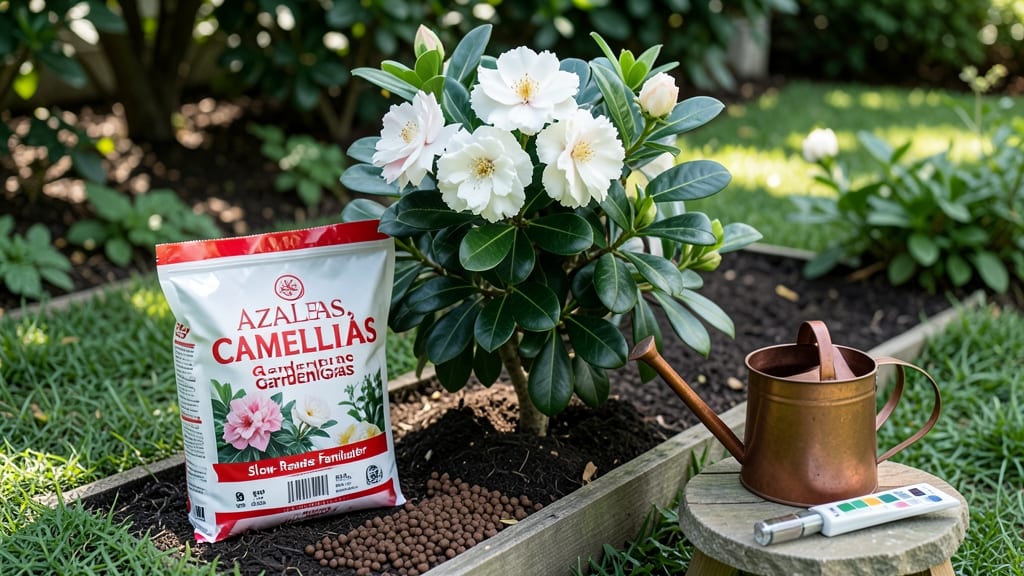
Fertilizing gardenias in Florida at the right time ensures vibrant blooms and healthy growth, but most gardeners get the timing wrong—leading to weak flowers or even plant stress.
Here’s the secret: Florida’s warm climate means gardenias 🌸 don’t follow the same rules as northern plants. Instead of fertilizing in spring and fall, you’ll want to focus on two key windows—just as the blooming season kicks off and when the heat starts to ease.
I’ll walk you through the exact months to feed your gardenias, how to spot when they’re hungry (or overfed), and the best fertilizer types for Florida’s sandy, acidic soil.
Skip the guesswork and keep your gardenias thriving with a schedule that matches Florida’s unique growing conditions—no more wasted fertilizer or sad, sparse blooms.

Optimal fertilization schedule for Florida gardenias: spring vs. fall timing
Florida's warm climate means gardenias can bloom almost year-round, but their fertilization needs shift dramatically between seasons. Spring and fall are the golden windows for feeding, but soil temperature and microclimates (North vs. South Florida) create unique challenges.
In North Florida, cooler winters mean fall feeding extends later, while South Florida's mild winters shorten the window.
Gardenias respond best to fertilization when soil temperatures stay above 60°F (15°C).
In Florida, this typically means March through October in the South and April through September in the North. Bloom cycles also dictate timing—early bloomers like 'Kleim's Hardy' need feeding 6-8 weeks before buds form, while late bloomers like 'Radicans' can wait until late spring.
Spring feeding (March-May) jumpstarts growth and sets up summer blooms. Use a balanced acidic fertilizer (8-4-8 NPK ratio) when new growth appears. Fall feeding (September-November) prepares plants for winter dormancy and next year's blooms. In South Florida, extend fall feeding until December due to milder winters.
| Season | Key Cues | Fertilizer Type | Amount | Frequency |
|---|---|---|---|---|
| Spring (Mar-May) | Soil temp >60°F, new growth | Acidic (8-4-8 NPK) | 1 tbsp per plant | Every 4-6 weeks |
| Summer (Jun-Aug) | High heat, blooming | Light (½ tbsp) | ½ tbsp per plant | Every 8 weeks |
| Fall (Sep-Nov) | Soil temp >60°F, bud set | Acidic (6-6-6 NPK) | 1 tbsp per plant | Every 4-6 weeks |
| Winter (Dec-Feb) | Dormant phase | None | — | — |
For North Florida gardeners, shift fall feeding to October only as cooler temps arrive earlier.
In South Florida, extend fall feeding until December since winters rarely drop below 60°F (15°C). Early bloomers like 'Veitchii' need two spring feedings—one in March and another in May—to support their March-June bloom cycle.
Always apply fertilizer in the early morning to prevent leaf burn from midday heat. Water thoroughly after feeding to leach excess salts from Florida's sandy soils. Organic options like cottonseed meal or peat moss work well but require more frequent applications.
For potted gardenias, reduce amounts by 50% since roots have less volume to absorb nutrients.
Watch for yellowing leaves or stunted growth—signs of nutrient deficiency.
If you see brown leaf tips, you've over-fertilized. Adjust your schedule based on your gardenia's response rather than sticking rigidly to calendar dates. Florida's unpredictable rain patterns mean you might need to skip a feeding if heavy rains occur within 48 hours of application.
Pro tip: Mix 1 tbsp of sulfur into the soil annually to maintain acidic pH (5.0-6.0). Gardenias in alkaline soils (common in Florida's limestone areas) will refuse to bloom no matter how much you fertilize. Test your soil every 2-3 years to catch pH shifts early.
Remember that less is more with gardenias. Over-fertilizing causes more problems than under-fertilizing. Start with half the recommended dose if your plant looks healthy but isn't blooming—it might just need a rest period rather than more nutrients. Patience pays off with these fragrant beauties!
For gardeners in hurricane-prone areas, hold off on fall feeding if storms are forecast. Damaged roots can't absorb nutrients effectively, and wet soil increases the risk of root rot.
Wait until new growth appears before resuming your schedule. Florida's unpredictable weather means flexibility is key to keeping your gardenias thriving.
How to choose the right fertilizer for gardenias in Florida’s climate
Florida’s sandy, acidic soils and humid climate demand special attention when fertilizing gardenias 🌸. Unlike northern plants, gardenias here need acid-loving amendments like sulfur and iron to prevent yellowing leaves and poor blooming. The wrong fertilizer can even cause salt buildup in sandy soil, harming roots over time.
I’ve tested both organic and synthetic fertilizers in my Florida garden and found that gardenias respond best to a balanced NPK ratio of 3-4-3 or 6-6-6, tailored to their blooming needs.
Organic options like fish emulsion or composted pine bark work well, but synthetic blends designed for azaleas and camellias often deliver faster results.
Here’s how to decide which fertilizer suits your gardenias best, along with Florida-specific tips to avoid common mistakes:
Organic Fertilizers for Gardenias
✅ Pros
- Slow-release nutrients
- Improves soil structure
- Safe for sandy soils
- Encourages microbial activity
❌ Cons
- Requires more frequent applications
- Slower results for blooming
- May need sulfur amendments
Synthetic Fertilizers for Gardenias
✅ Pros
- Precise NPK control (e.g., 6-6-6)
- Faster bloom stimulation
- Convenient granular forms
- Often includes micronutrients
❌ Cons
- Risk of salt buildup in sandy soil
- Requires careful watering
- Less soil improvement over time
For Florida’s acidic soil needs, I recommend mixing a 6-6-6 synthetic fertilizer with elemental sulfur (1 lb per 100 sq ft) every 6 months to maintain a pH of 5.0–6.0.
If your gardenias show iron deficiency (yellow leaves with green veins), add chelated iron every 3 months during growing seasons.
Never apply fertilizer when gardenias are stressed by heat or drought. Instead, feed them in early spring (February–March) and early fall (September–October) to align with Florida’s natural blooming cycles. Always water deeply after fertilizing to prevent root burn.
Over-fertilizing is a common mistake—especially in Florida’s sandy soil where nutrients wash away quickly. Stick to the 1 tbsp per plant rule in spring/fall and reduce to ½ tbsp in summer/winter. If you notice leaf burn or stunted growth, flush the soil with water immediately.
With the right fertilizer and timing, your gardenias will reward you with fragrant blooms year-round, even in Florida’s challenging climate. Start with a soil test to check pH and micronutrients—it’s the best investment for long-term success! 🌿