
How To
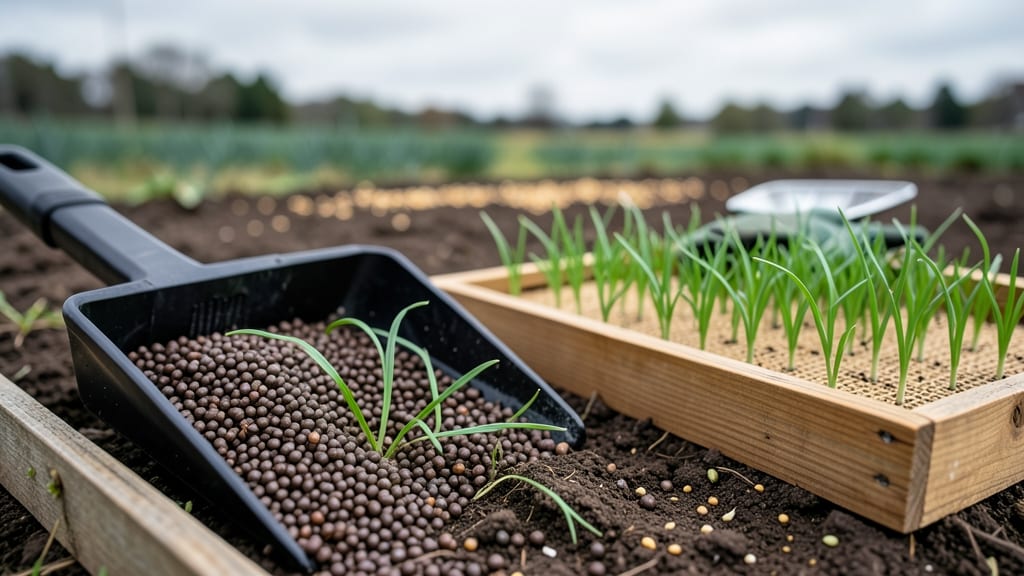
Fertilizing grass seedlings at the right time can make the difference between a thriving lawn and one that struggles to take hold.
Picture this: you’ve just spread fresh grass seed, watered it carefully, and now you’re wondering—when is the perfect moment to feed those delicate 🌱 sprouts? The answer isn’t just about the calendar; it’s about soil readiness, seedling age, and even the weather.
Too early, and you risk burning tender roots. Too late, and your grass may miss out on the nutrients it needs to establish strong growth. In USDA Zone 6a, timing matters most in early spring or fall, when temperatures and moisture levels are just right.
Below, I’ll walk you through the exact stages to watch for, the best fertilizer types to use, and how to avoid common mistakes that can set your lawn back.

Critical fertilization timeline for grass seedlings by growth stage
Understanding the exact fertilization timeline for grass seedlings is crucial—too early or too late can stress young plants. The process starts before germination and continues through early establishment. Unlike mature grass, seedlings have delicate root systems that require precise nutrient timing to avoid burning or stunting growth.
Most gardeners make the mistake of fertilizing at planting, but this can overwhelm tender seedlings. Instead, I’ve broken down the ideal fertilization schedule into four key stages: pre-germination, germination, root establishment, and first mowing. Each stage demands a different approach to nutrient delivery and timing.
Here’s the critical distinction: starter fertilizers (high in phosphorus) are best applied before seeding, while slow-release nitrogen should wait until after germination. Misalignment here can lead to yellowing leaves or poor root development, both signs of improper fertilization timing.
| Growth Stage | Fertilizer Type | Timing Window | Key Action | Signs of Success |
|---|---|---|---|---|
| Pre-Germination (Before Seeding) | Starter Fertilizer (10-20-10) | 1-2 weeks before planting | Mix into top 2" of soil | Soil tests show improved phosphorus levels |
| Germination (Days 7-14) | None (Wait for sprouts) | Hold off until green shoots appear | Monitor for even moisture | Uniform green sprouts at 1/4" tall |
| Early Root Establishment (Weeks 3-4) | Slow-Release Nitrogen (20-0-5) | After first mowing (3-4 weeks) | Light application (1/4 lb per 100 sqft) | Dark green blades, firm roots when pulled |
| First Mowing (Weeks 5-6) | Balanced Fertilizer (16-4-8) | After first mowing (3" height) | Apply evenly, water deeply | Thick, even growth with no bare spots |
During the pre-germination stage, I always recommend testing soil pH first. A reading below 6.0 or above 7.5 can block nutrient uptake, making fertilization ineffective. For most grass types, aim for a 6.0-7.0 pH range before applying any starter fertilizer.
The germination phase is the most critical window to avoid fertilization. Young seedlings absorb nutrients through their tiny roots, but excess salts from fertilizer can burn delicate tissue. Instead, focus on consistent moisture—keep the soil damp (not soggy) by watering lightly twice daily until sprouts appear.
Once seedlings reach the early root establishment stage (typically 3-4 weeks after planting), it’s time for your first slow-release nitrogen fertilizer. This is where many gardeners go wrong by using high-nitrogen quick-release products, which can cause leaf scorch.
Opt for a 20-0-5 ratio instead—this promotes root growth without overwhelming the plant.
Watch for these three signs that your seedlings are ready for fertilization: dark green blades, 2-3 inch height, and dense coverage (80%+). If your lawn still has bare patches or thin growth, delay feeding until the grass reaches these milestones.
Rushing can lead to stunted development or fungal issues.
At the first mowing stage (around 5-6 weeks for most grasses), switch to a balanced fertilizer like 16-4-8. This supports both leaf and root growth while preparing the lawn for regular maintenance. Apply it evenly in early morning to avoid evening moisture that can cause disease pressure.
One common mistake I see is over-fertilizing in fall. Cool-season grasses like fescue or ryegrass can handle a light feeding in September, but warm-season types like Bermuda or Zoysia should skip fertilization entirely after early October. Always check your grass type’s USDA zone suitability for seasonal adjustments.
For organic gardeners, consider compost tea or fish emulsion instead of synthetic fertilizers. These provide gentle, slow-release nutrients that won’t shock seedlings. Just dilute to half-strength and apply every 4-6 weeks during the growing season. The key is
Signs your grass seedlings need fertilizer (and when to wait)
Grass seedlings are delicate, and their growth rate can easily be misread as a nutrient deficiency when it’s actually just part of their natural development. The key is learning to distinguish between normal growth patterns and genuine signs your seedlings need fertilizer.
For example, yellowing leaves might signal nitrogen deficiency, but they could also mean overwatering or poor drainage. Understanding these differences ensures you don’t over- or under-fertilize, which can both harm your lawn.
Before reaching for the fertilizer, check if your seedlings are simply slow to establish due to cool temperatures or dry soil. Grass like tall fescue or Kentucky bluegrass may take 10-14 days to germinate, while ryegrass can sprout in just 5-7 days.
If your seedlings are within this expected window but still struggling, environmental factors like soil pH imbalance or inconsistent moisture might be the culprit rather than a lack of nutrients.
⚠️ Warning: When NOT to Fertilize Grass Seedlings
Fertilizing too early can burn delicate roots and stunt growth. Wait until seedlings reach 2-3 inches tall and have developed a dense root system. Avoid fertilizing if:
- Soil is waterlogged (fertilizer leaches away)
- Temperatures are below 50°F (roots can’t absorb nutrients)
- Seedlings show signs of stress (wilting, discoloration, or fungal spots)
Pro Tip: Test soil pH first—ideal range is 6.0-7.0. If pH is off, amend soil before fertilizing.
One of the most common false alarms is uneven growth. If some seedlings are taller than others, it might be due to seed depth variations during planting, not nutrient deficiency.
However, if the entire patch shows pale green or yellow blades combined with slow growth or thin stems, that’s a clear sign of nitrogen deficiency.
In this case, a light application of starter fertilizer (high in phosphorus, like 10-20-10) can help, but only after ensuring the soil is moist and temperatures are ideal.
Environmental factors play a huge role in determining whether to fertilize. For instance, if you’ve had recent heavy rainfall, nutrients in the soil may already be leached away, making fertilization necessary sooner.
Conversely, if your area has experienced prolonged drought, wait to fertilize until you’ve re-established consistent watering—fertilizer can draw moisture from roots in dry conditions. Always prioritize watering deeply for at least a week before applying any fertilizer.
Another critical factor is soil temperature. Grass seedlings struggle to absorb nutrients when soil temps are below 55°F. If you’re planting in early spring or fall, wait until the soil warms up before fertilizing.
Use a soil thermometer to check—ideal temps for fertilization are between 60°F and 75°F. Cold soil can lock out nutrients, making fertilization ineffective or even harmful.
If your seedlings are showing signs of weak stems or stunted growth but the soil is moist and temperatures are ideal, consider testing for micronutrient deficiencies. Grass often needs iron, zinc, or manganese to thrive, and these deficiencies can mimic nitrogen issues.
A simple soil test kit (available at garden centers) can reveal imbalances. If micronutrients are lacking, opt for a chelated fertilizer designed for seedlings rather than a high-nitrogen blend.
Remember, the goal is to support root development, not just green foliage. Over-fertilizing can lead to sod webworm infestations or fungal diseases like brown patch. Always follow the label rates for starter fertilizers and consider organic options like compost tea or fish emulsion, which release nutrients slowly and safely.
When in doubt, wait a week and reassess—healthy seedlings will tell you when they’re ready for a boost.