
How To
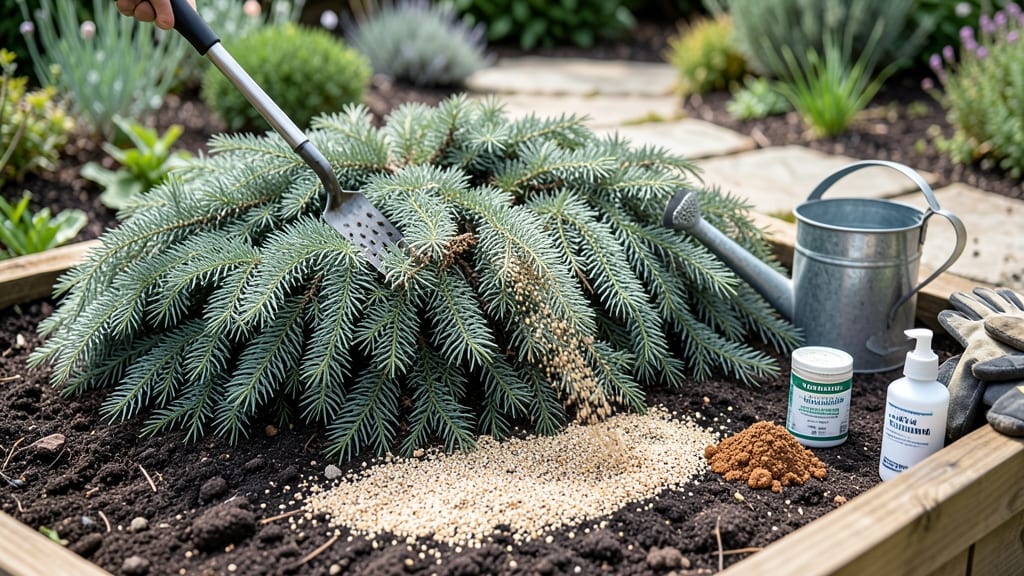
To fertilize junipers at the right time means catching them when they’re hungry—not when they’re already stressed or dormant.
Junipers thrive with the right care, but timing your fertilization can make the difference between lush green growth and struggling shrubs. Get it wrong, and you risk burning roots or wasting nutrients—here’s exactly when and how to fertilize junipers for maximum impact.
Most gardeners focus on spring, but fall can be just as important, especially in USDA Zone 6a where winters are harsh. The key is feeding them before new growth kicks in—usually in early spring (March-April) or late summer (September-October).
Below, I’ll break down the best seasons, soil conditions, and whether to use organic or synthetic fertilizers—plus how to avoid overdoing it.

Optimal fertilization schedule for junipers: spring vs fall timing explained
Junipers are hardy evergreens that thrive with the right fertilization timing. Unlike many plants, they don’t need frequent feeding—just strategic applications that align with their natural growth cycles. Fertilizing at the wrong time can stress roots or encourage late-season growth that won’t harden off before winter.
Let’s break down the best times to feed your junipers for healthy, vibrant foliage without overdoing it.
Most gardeners agree that early spring and fall are the ideal windows for juniper fertilization. However, the exact timing depends on your USDA hardiness zone, soil type, and whether you’re growing evergreen or deciduous varieties.
For example, in Zone 5-7, I fertilize in late March to early April and again in mid-September, while warmer climates (Zone 8+) may shift to February and October to avoid summer heat stress.
Here’s a quick comparison to help you decide which season works best for your junipers:
For evergreen junipers, spring fertilization is critical because it kickstarts photosynthesis for the growing season. I use a balanced, slow-release fertilizer (like 10-10-10) in early spring, just as new growth begins. This timing ensures nutrients are available when roots are actively absorbing them.
In my Zone 6 garden, I apply fertilizer right after the last frost, around April 1st, when soil temperatures reach 50°F (10°C).
Fall fertilization, on the other hand, is more about root development than top growth. Junipers need time to harden off before winter, so I fertilize in late summer to early fall (August-September) with a low-nitrogen, high-phosphorus blend (e.g., 5-10-10).
This helps roots store nutrients for next year’s growth. Deciduous junipers (like Juniperus virginiana) benefit most from fall feeding, as they drop needles annually and need a nutrient boost before dormancy.
Your soil type plays a huge role in fertilization timing. Sandy soils drain quickly and may need more frequent but lighter applications, while clay soils hold moisture longer and can handle slower-release fertilizers.
I always test my soil’s pH (junipers prefer 6.0–7.5) and adjust fertilization accordingly. For example, acid-loving junipers (like Juniperus communis) might need a sulfur-based fertilizer to maintain optimal pH.
One common mistake is over-fertilizing in hot, dry summers. Junipers are drought-tolerant, but excess salts from fertilizers can burn roots. If you live in a Mediterranean or desert climate, I recommend skipping summer fertilization entirely and focusing on deep watering instead.
In these regions, I’ll fertilize in winter (December) when temperatures are cooler and rainfall is higher.
Pro tip: If your junipers are newly planted (within the first year), hold off on fertilization. Their roots are still establishing, and too many nutrients can cause root burn.
Instead, focus on mulching with compost and watering deeply. After the first year, you can introduce a light fertilizer schedule, like every 2–3 years for mature junipers.
Remember, junipers are low-maintenance plants, and less is often more when it comes to fertilization. Overdoing it can lead to brown needle tips, stunted growth, or even plant death.
Always follow the label instructions and monitor your junipers’ response. If you notice yellowing needles or sparse foliage after fertilizing, flush the soil with water to reduce salt buildup.
For the best results, pair your fertilization schedule with proper watering and pruning. Water deeply after fertilizing to help nutrients penetrate the soil, and prune in late winter or early spring to shape your junipers before new growth begins.
With the right timing and care, your junipers will reward you with vib
Signs your juniper needs fertilizer (and when to skip it)
Junipers are hardy plants, but they still need nutrients to stay vibrant. Yellowing needles, stunted growth, or sparse foliage are clear signals your juniper is hungry. These signs often appear when soil nutrients are depleted or roots struggle to access what’s available.
Before reaching for fertilizer, though, check your juniper’s overall health and recent care routine.
Another red flag is brown needle tips, which can indicate nutrient deficiencies like iron or nitrogen shortages. If you notice this paired with slow growth, it’s time to assess your fertilization strategy.
However, not all browning means fertilizer is needed—overwatering or pests could also be culprits. Always rule out other issues first.
⚠️ When NOT to Fertilize Junipers
Skip fertilization during these critical times:
- Dormant season (winter): Junipers rest and won’t benefit from nutrients.
- First year after planting: New roots are sensitive to fertilizer burns.
- Summer heatwaves: Fertilizer can stress plants during drought or extreme heat.
- After over-fertilizing: Yellowing leaves or wilting? You’ve likely overdone it.
If your juniper was planted within the past 12 months, hold off on fertilizing entirely. New roots are still establishing, and excess nutrients can burn delicate root systems.
Instead, focus on watering deeply and mulching lightly to encourage natural growth. Patience is key—healthy roots lead to stronger nutrient uptake later.
Over-fertilizing is a common mistake, especially with synthetic fertilizers. Signs include burnt leaf edges, excessive new growth (which flops over), or white crust on soil.
If you suspect over-fertilization, flush the soil with water to leach out excess salts. For organic options, compost or worm castings are gentler and release nutrients slowly.
For established junipers, early spring (March-April) is the ideal time to fertilize, just as new growth begins. A balanced, slow-release fertilizer (like 10-10-10) works best. Apply it lightly—about ½ cup per 10 sq ft—and water thoroughly afterward.
Avoid fertilizing in fall or winter, as junipers are dormant and won’t use the nutrients.
Pro tip: Test your soil’s pH before fertilizing. Junipers prefer slightly acidic soil (pH 5.0–7.0). If your soil is too alkaline, nutrients like iron become unavailable, even if you’re fertilizing.
Adjust with sulfur or peat moss if needed. A simple soil test kit can save you time and money in the long run.