
How To
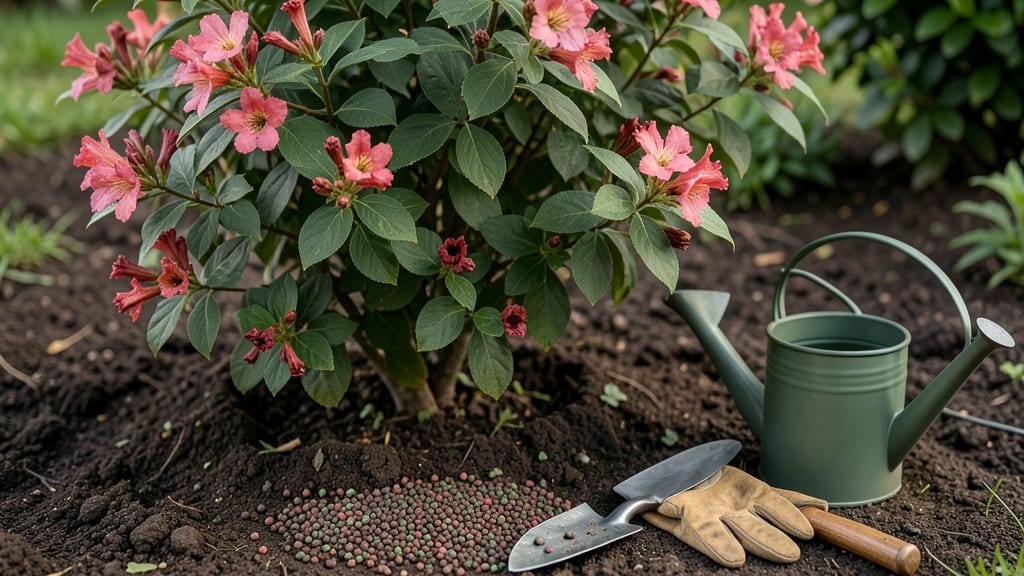
To fertilize Weigela at the right time means giving it a spring kickstart and a summer boost—two moments that make all the difference between modest blooms and a showstopping display 🌸.
Struggling to get your Weigela bushes bursting with vibrant blooms? Timing your fertilizer application correctly is the secret weapon most gardeners overlook—yet it can transform a lackluster shrub into a showstopper.
Most gardeners in Zone 6a wait until late spring, but the real magic happens in early March or April, when roots wake up and crave nutrients. A quick feed now primes the plant for healthier growth and bigger blooms later.
Here’s the exact timing, fertilizer types to use, and when to stop feeding—so you don’t accidentally stunt next year’s flowers.

Optimal fertilization schedule for Weigela: spring vs fall timing explained
Getting your Weigela to produce those stunning pink or red blooms year after year starts with mastering the fertilization timeline. Unlike many shrubs, Weigela thrives on two key feeding windows—early spring and late fall—that align with its natural growth cycles.
Skipping either window can leave your plant looking leggy, sparse, or weak, especially in USDA Zone 6a where winters demand extra care.
The early spring feed (March-April) jumpstarts root growth before bud break, while the fall application (October-November) strengthens winter hardiness. But timing isn't just about months—it's about soil temperature, plant signals, and regional frost dates.
For example, fertilizing too early in cold climates can shock roots, while waiting too late in spring may delay blooming.
Why this matters: Weigela's woody stems need balanced nutrients (NPK 10-10-10) to support both foliage and flowers, but over-fertilizing stresses the plant. The two-season approach mimics natural nutrient cycles, preventing burned roots or excessive top growth at the expense of blooms.
| Season | Best Time | Purpose | Fertilizer Type | Soil Temp Guide |
|---|---|---|---|---|
| Early Spring | March-April | Stimulate root growth | Balanced (10-10-10) | 45-55°F |
| Late Summer | June-July | Support blooming | Low-nitrogen (5-10-10) | 60-70°F |
| Late Fall | October-November | Strengthen winter roots | Slow-release organic | Below 50°F |
| Winter | December-February | Dormancy period | None | Below 40°F |
Let's start with spring fertilization, the most critical window. Apply your balanced fertilizer (like 10-10-10) 4-6 weeks before your area's last frost date—typically March in Zone 6a. This timing ensures roots have time to absorb nutrients before new growth begins.
Look for soil temperatures above 45°F (use a soil thermometer) and green buds on stems as your cues.
For late summer feeding, switch to a low-nitrogen formula (5-10-10) after your Weigela finishes blooming, usually in June-July. This prevents excessive leafy growth that steals energy from next year's flowers. Water thoroughly after applying to wash fertilizer into soil and avoid leaf burn from granules sticking to foliage.
The fall application (October-November) is often overlooked but crucial for winter survival. Use a slow-release organic fertilizer like compost or bone meal to feed roots gradually as they prepare for dormancy.
Apply when soil temps drop below 50°F and before hard frosts hit—this gives roots time to store nutrients for spring.
Here's a pro tip: Mulch heavily (3-4 inches) after your fall feed to insulate roots and lock in moisture. This is especially important in Zone 6a where winters can fluctuate. Avoid fertilizing in late fall or winter—this forces new growth that will freeze back, weakening the plant.
Watch for these plant signals to adjust timing: Purple-tinged leaves mean phosphorus deficiency (feed with bone meal), while yellowing lower leaves often signals overwatering or poor drainage—skip fertilizing until you fix the root issue. For container-grown Weigela, reduce fertilizer by half since roots have limited soil volume.
Remember, Weigela's blooms form on old wood, so avoid heavy feeding in late summer that encourages new growth at the expense of next year's flowers. The two-season approach—spring for roots, fall for storage—is your secret to vibrant, repeat blooming for decades. 🌸
How to choose the right fertilizer for Weigela blooms (and when to apply it)
Choosing the right fertilizer for Weigela can make the difference between sparse blooms and lush, vibrant flowers. Weigela thrives with a balanced NPK ratio of 10-10-10, providing equal parts nitrogen, phosphorus, and potassium.
Organic options like compost or fish emulsion work well, while synthetic fertilizers offer precise nutrient control. The key is applying fertilizer at the right time to avoid root burn and encourage healthy growth.
Timing matters more than most gardeners realize. Applying fertilizer too early in spring can stimulate leafy growth at the expense of blooms, while fertilizing late in the season may prevent your Weigela from entering dormancy properly.
Let's break down the best options and when to use them to maximize those stunning trumpet-shaped flowers.
When to Fertilize Weigela
- ✔️ Best time: Just after last frost
- ✔️ Purpose: Stimulate new growth
- ✔️ Type: Balanced 10-10-10
- ✔️ Tip: Light application (½ tsp per plant)
- ✔️ Best time: After flowers fade
- ✔️ Purpose: Replenish nutrients
- ✔️ Type: Low-nitrogen (5-10-10)
- ✔️ Tip: Avoid late summer applications
- ✖️ Fall: Prevents winter dormancy
- ✖️ Winter: Plant is dormant
- ✖️ Mid-summer: Encourages late growth
- ✖️ Over-application: Burns delicate roots
For organic fertilizers, compost or well-rotted manure works wonders. Work it into the soil around your Weigela's root zone in early spring. I've had great success with fish emulsion, which provides quick nutrients and improves soil structure. The downside? Organic options require more frequent applications compared to slow-release synthetics.
Synthetic fertilizers offer precise control over NPK ratios. A 10-10-10 granular fertilizer is my go-to for Weigela. Apply it according to package instructions, typically every 6-8 weeks during the growing season. The advantage is convenience, but synthetics can contribute to soil acidity over time, so balance is key.
When applying fertilizer, always water your Weigela thoroughly first to prevent root burn. Sprinkle the granules evenly around the root zone (not touching the trunk) and water again to help them dissolve.
I've seen gardeners make the mistake of piling fertilizer directly on the roots, which can cause severe damage. Always keep applications light and consistent.
Watch for signs of over-fertilization: yellowing leaves, stunted growth, or excessive leafy growth with few blooms. If you notice these symptoms, flush the soil with water and reduce future applications. Remember, Weigela rewards patience—focus on building healthy roots rather than chasing quick blooms.