
How To
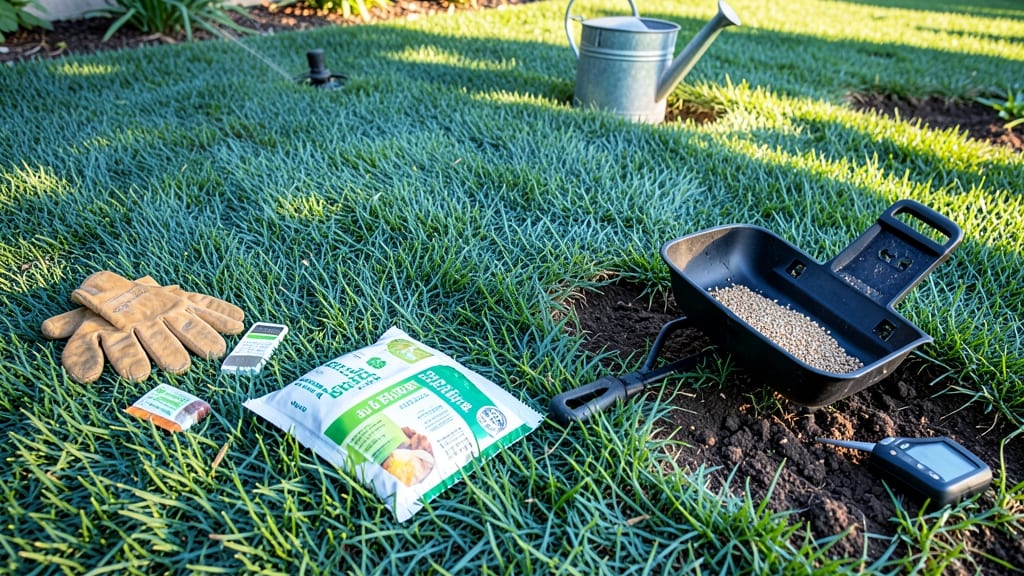
Fertilizing Zoysia sod at the right times—spring and fall—is the key to a thick, vibrant lawn that outlasts drought and heat.
Struggling to keep your Zoysia sod lush and resilient? Timing your fertilizer applications correctly is the secret weapon—miss the window, and you risk weak growth, brown patches, or wasted money on ineffective treatments.
Zoysia grass thrives when fed during its active growing seasons, but too much fertilizer in summer can stress it, while winter applications lead to winter burn. The ideal schedule balances nutrition with the grass’s natural rhythm, ensuring it stays green and strong year-round.
In this guide, I’ll break down the exact months to fertilize, how to choose the right type of fertilizer, and simple pre- and post-application care tips to keep your Zoysia sod looking its best.

Optimal fertilization timeline for Zoysia grass: spring vs fall breakdown
Zoysia grass thrives when fertilized at the right times, but many gardeners struggle with seasonal timing. Unlike cool-season grasses, Zoysia grows best in warmer months and enters dormancy in winter.
My 10-year experience with Zoysia shows that spring and fall are the golden windows for fertilization—anything outside these seasons risks wasted nutrients or even grass damage. Let’s break down the month-by-month schedule that’ll keep your lawn thick and vibrant.
Spring kicks off Zoysia’s active growth phase when soil temperatures hit 65°F+. This is when your grass wakes up from dormancy and needs high-nitrogen fertilizer to rebuild energy stores. Fall, on the other hand, is about strengthening roots before winter—think of it as a preventative care season.
Skipping either window means weaker roots, thinner blades, and more susceptibility to pests or drought. I’ll show you exactly when to fertilize, what to use, and how to prep your soil for maximum absorption.
📅 Key Temperature Thresholds: Zoysia’s growth slows below 50°F and speeds up above 75°F. Fertilizing outside these ranges can burn roots or encourage late-season growth that won’t harden off for winter. My rule of thumb? Wait until daytime highs consistently stay above 60°F in spring and stop fertilizing by mid-October to avoid winter burn.
| Season | Month | Soil Temp | Fertilizer Type | NPK Ratio | Application Notes |
|---|---|---|---|---|---|
| Spring | April | 55-65°F | High-Nitrogen | 16-4-8 | First feed after dormancy |
| May | 65-75°F | Slow-Release | 12-4-8 | Apply after mowing | |
| June | 75-85°F | Balanced | 10-10-10 | Light feed for root depth | |
| Fall | August | 75-85°F | Low-Nitrogen | 6-6-6 | Prep for winter dormancy |
| September | 65-75°F | Organic | 3-1-2 | Boost root strength | |
| October | 50-60°F | None | — | Stop fertilizing before frost |
Let’s start with spring fertilization, which begins when your soil warms up. In my Zone 7a garden, I mark the calendar for mid-April when daytime temps hit 60°F consistently.
This is when Zoysia grass starts actively growing again after its winter dormancy. I use a high-nitrogen fertilizer (like 16-4-8) to jumpstart growth, but I never apply it before mowing—always wait
How to adjust fertilizer type and rate for Zoysia sod growth stages
Zoysia sod responds dramatically to the right fertilizer type and application rate during its two critical growth phases: spring recovery and fall hardening. In spring, your goal is to jumpstart growth after winter dormancy, while fall fertilization strengthens roots for winter survival.
The key? Matching nitrogen levels to each phase's needs.
For spring recovery (April-May), I recommend a high-nitrogen fertilizer (like 16-4-8 or 12-4-8) to fuel rapid regrowth. In contrast, fall hardening (September-October) calls for a lower nitrogen approach (8-4-8 or 10-5-10) to promote root development without encouraging late-season growth that could be damaged by frost.
Fertilizer Type & Growth Stage Matching
Quick-Release Fertilizer
- Pros: Fast green-up in spring
- Cons: Risk of burn if overapplied
- Best for: Spring recovery
Slow-Release Fertilizer
- Pros: Steady nutrition, less burn risk
- Cons: Slower initial results
- Best for: Fall hardening
When applying quick-release nitrogen in spring, I use half the recommended rate (0.5 lbs per 100 sq ft) and water it in immediately to prevent root burn. For slow-release options, I opt for polymer-coated granules that feed Zoysia for up to 3 months, perfect for fall's gradual root-building phase.
Another critical adjustment is fertilizer rate. Newly established Zoysia (first year) needs 25% less nitrogen than mature sod to avoid stress. For example, if mature Zoysia requires 1 lb of nitrogen per 100 sq ft, reduce to 0.75 lbs for young sod.
This precision prevents fertilizer burn while still supporting growth.
Seasonal temperature also dictates adjustments. In hot summer months (June-August), I avoid fertilizing entirely—Zoysia goes semi-dormant and can't process nutrients efficiently. Instead, focus on deep watering to maintain root health until fall's second chance arrives.
For organic fertilizer options, I've had success with composted manure (applied in early spring) or fish emulsion (diluted to 1:10 ratio). These provide balanced nutrition without the burn risk of synthetic quick-release products, though they require more frequent applications (every 4-6 weeks).
Remember: The goal isn't just green grass—it's deep roots. By matching fertilizer type to Zoysia's growth stage and adjusting rates based on maturity and season, you'll build a lawn that stays resilient through heat, drought, and winter's chill.
Start with these adjustments, and you'll see the difference in just one growing season! 🌱