
Planting
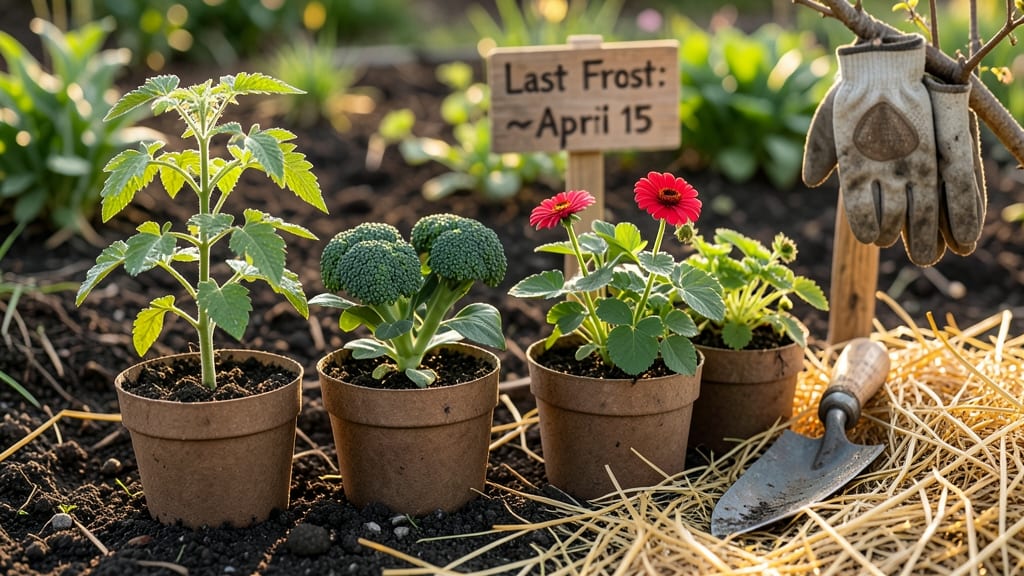
To plant a garden in Kentucky at the right time means catching the 165 frost-free days between mid-April and mid-October—without leaving your crops vulnerable to late freezes or summer heat.
Picture this: You’ve prepped the soil, ordered seeds, and even marked your bed—only to watch a surprise frost wipe out your seedlings in May. Or worse, your tomatoes bolt before they ripen because you planted them too early.
Kentucky’s USDA Zones 7a-7b give you a narrow window to get it right, and missing it means wasted effort (and money!).
This isn’t just about memorizing dates—it’s about reading your microclimate. Urban heat islands in Louisville can push planting back by weeks, while the cooler Appalachian foothills might need an earlier start.
We’ll break down the exact timing for everything from cool-season greens to heat-loving peppers, plus how to adjust for your corner of the state.
By the end, you’ll know when to plant for your specific zone, how to stretch the season with succession planting, and which crops to prioritize based on Kentucky’s 100-day growing window. No more guesswork—just a harvest you can count on.
Kentucky planting calendar by season: exact dates for vegetables, flowers, and herbs
Kentucky’s USDA Zones 7a-7b create a gardening Goldilocks zone—warm enough for tomatoes to thrive but cold enough to enjoy crisp fall harvests.
The key to success? Planting at the right time, which means aligning your schedule with Kentucky’s average last frost (March 15–April 15) and first frost (October 15–November 15). Miss these windows, and you risk stunted growth or frost damage.
But get it right, and you’ll enjoy a longer growing season than most Northern states.
This calendar breaks down month-by-month planting windows for cool-season crops (like lettuce and peas), warm-season staples (tomatoes, peppers), and perennials. I’ve also included microclimate adjustments for northern Kentucky’s cooler pockets (e.g., Lexington) versus southern Kentucky’s extended summers (e.g., Bowling Green).
Think of it as your personalized Kentucky gardening GPS—no more guesswork!
Let’s start with spring planting, where timing is everything. Cool-season crops like lettuce and spinach can handle Kentucky’s early March chill, but they’ll bolt (go to seed) if exposed to consistent temperatures above 75°F.
That’s why I recommend planting leafy greens by March 15 in southern Kentucky and waiting until April 1 in cooler northern regions. Use shade cloth if summer arrives early!
For warm-season crops, the real magic happens after the last frost. Tomatoes and peppers need consistent soil temperatures above 60°F, so I start seeds indoors by March 15 and transplant them outdoors after May 15.
Pro tip: If you’re in Zone 7a (northern KY), wait until June 1 to avoid early-season heat stress. Succession planting every 2 weeks ensures a continuous harvest.
Summer in
How Kentucky’s microclimates affect your planting schedule (Zone 7a vs. 7b)
Kentucky’s Zone 7a and Zone 7b might seem similar, but their microclimates create 1–3 week differences in planting windows. Northern Kentucky (7a) often experiences cooler springs and earlier frosts, while southern Kentucky (7b) enjoys warmer soil and longer growing seasons.
These shifts matter most for heat-loving crops like tomatoes and peppers.
Elevation plays a huge role—higher areas (like Appalachian foothills) can feel like Zone 6b, delaying planting by 2–3 weeks. Meanwhile, cities like Louisville experience urban heat islands, allowing earlier starts for warm-season plants. Even the Cumberland River moderates temperatures near its banks, creating localized microclimates.
🌱 Comparison Table:
For northern Kentucky gardeners, I recommend starting cool-season crops like broccoli and spinach 4–6 weeks earlier than southern counterparts.
Use row covers to extend the season by 2–3 weeks in Zone 7a. Meanwhile, Zone 7b gardeners can push the envelope with late-summer plantings of basil and cucumbers until August 15.
Urban areas like Lexington and Bowling Green often see soil temperatures rise faster due to pavement and buildings. Test your soil with a soil thermometer—plant when it hits 50°F for cool crops or 60°F for warm crops.
Lakeside properties near the Cumberland River may experience milder nights, allowing earlier tomato transplants by 1 week.
Pro tip: If you’re in transition zones (like Frankfort), err on the side of late planting for warm-season crops. A late frost in May can wipe out tender seedlings like peppers.
For Zone 7a, wait until May 15 to transplant; in Zone 7b, you can start as early as April 20.
Adjust your succession planting based on these microclimates. For example, Zone 7b gardeners can squeeze in 2–3 harvests of bush beans by planting every 2 weeks from April to July, while Zone 7a gardeners may only manage 1–2 harvests.
Pay attention to local frost records—your county extension office is a goldmine for hyper-local data.