
Planting
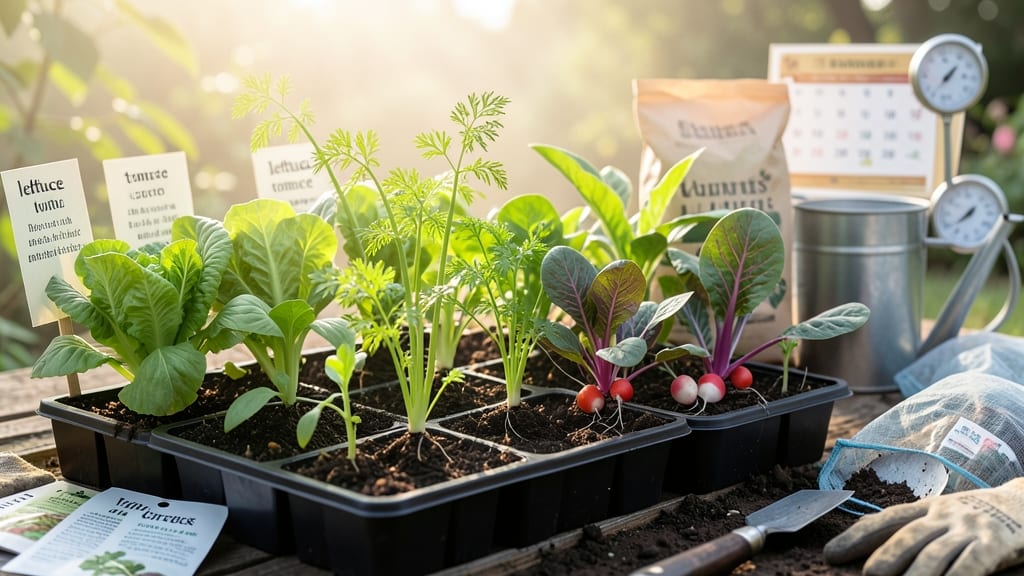
Planting a vegetable garden in Seattle at the right time means the difference between a thriving harvest and a frost-kissed flop—especially with our coastal and inland microclimates.
Seattle’s unpredictable weather can turn your 🌱 vegetable garden into a gamble if you don’t time it just right. Too early, and a late frost wipes out seedlings.
Too late, and summer’s short before the first chill arrives. The key? Knowing when to start cool-season crops like kale and when to wait for tomatoes and peppers.
In this guide, I’ll break down the exact planting windows for Seattle’s USDA Zone 8a, including how coastal areas (like West Seattle) differ from inland spots (like Bellevue).
You’ll learn when to sow seeds, transplant starts, and even how to stretch your season with row covers—so you’re harvesting well into fall.
Whether you’re a first-timer or a seasoned gardener, these timing secrets will help you avoid common mistakes and maximize your garden’s potential. Let’s get those seeds in the ground the right way!
Seattle’s planting zones: coastal vs inland frost dates revealed
Seattle’s climate is famously unpredictable, but understanding the coastal (Zone 8a) and inland (Zone 7b) frost patterns can transform your vegetable garden from risky to rewarding. The Puget Sound’s moderating influence keeps coastal areas milder, while inland zones experience earlier frosts and hotter summers.
For warm-season crops like tomatoes, peppers, and squash, these differences mean the difference between a thriving harvest and a frost-kissed failure.
Coastal Seattle—think West Seattle, Bainbridge Island, and parts of Ballard—typically enjoys a later last frost date (around May 15), thanks to the ocean’s temperature-stabilizing effect. Meanwhile, inland areas like Redmond, Kirkland, and parts of Bellevue can see their final frost as early as April 20.
This 2-3 week difference directly impacts when you can safely plant heat-loving vegetables, making zone awareness your secret weapon.
Here’s the critical detail: Heat island effects in urban Seattle (like downtown or the University District) can push last frost dates even later—sometimes up to May 25—while rural areas may align closer to the inland average. Always check local microclimate data before committing to your planting schedule.
For warm-season crops, timing is everything. Tomatoes and peppers, for example, need consistent warmth and won’t tolerate frost. In coastal Zone 8a, you can plant these after May 15, while inland Zone 7b gardeners should wait until May 1 or even late May to be safe.
Squash and cucumbers follow similar rules, though they’re slightly more frost-tolerant.
🌱
🌡️ Seattle Planting Zones: Coastal vs Inland Frost Comparison
| Factor | Coastal (Zone 8a) | Inland (Zone 7b) | Urban Heat Islands |
|---|---|---|---|
| Last Frost Date | May 15 | April 20 | May 25 |
| First Frost Date | October 10 | October 5 | October 15 |
| Frost-Free Days | 180+ | 165 | 190+ |
| Safe Planting Window for Tomatoes/Peppers | May 15–June 1 | May 1–May 15 | May 25–June 10 |
| Cool-Season Crops (Spinach, Kale) | March 1–April 30 | March 1–April 15 | March 15–May 15 |
| Fall Planting for Overwintering | August 15–September 15 | August 1–September 1 | August 30–October 1 |
🌿 Note: Adjust dates 1–2 weeks earlier for raised beds or containers.
Why does this matter? Warm-season crops like tomatoes and peppers need consistent soil temperatures above 60°F to thrive. Coastal gardeners can start seeds indoors in March and transplant after May 15, while inland gardeners may need to wait until late May or early June to avoid frost damage.
For squash and cucumbers, which are slightly more frost-tolerant, you can push the envelope by 1–2 weeks earlier, but always monitor forecasts.
Pro tip: Use row covers or cold frames to extend your planting window by 2–4 weeks in both zones. These tools can protect tender seedlings from unexpected late frosts, giving you an earlier start on your tomatoes, peppers, and eggplants.
Just remember to remove covers once flowers appear to prevent pollination issues.
For cool-season crops like spinach, kale, and peas, the opposite is true. These hardy plants can handle light frosts and even overwinter in Seattle. Coastal gardeners can plant as early as March 1, while inland areas should wait until late March to avoid soil saturation from spring rains
Best month-by-month planting calendar for Seattle vegetables
Seattle’s two distinct growing seasons—cool, wet springs and mild falls—make timing everything for a productive vegetable garden. Coastal areas (like West Seattle) stay cooler longer, while inland zones (like Bellevue) warm up faster. Raised beds warm up quicker than in-ground soil, giving you a 2-3 week advantage for warm-season plants.
Use this month-by-month guide to align planting with Seattle’s last frost dates (typically April 15 for coastal, April 1 inland) and first frost risks (mid-October). Succession planting every 2-3 weeks ensures continuous harvests of leafy greens and root crops.
| Month | Plant | Notes |
|---|---|---|
| February | Spinach, Peas, Kale | Direct sow cold-hardy crops; protect with row covers if frost threatens. |
| March | Lettuce, Carrots, Radishes | Start warm-season prep—amend soil with compost. Raised beds can handle early tomatoes. |
| April | Broccoli, Beets, Peppers (inland) | Wait for soil temps >50°F before planting peppers/tomatoes. Coastal areas delay until May. |
| May | Tomatoes, Cucumbers, Basil | Post-last frost planting. Use black plastic mulch to warm soil faster in raised beds. |
| June | Green Beans, Corn, Squash | Succession plant beans every 2 weeks for continuous harvests. Drip irrigation prevents bolting. |
| August | Spinach, Arugula, Radishes | Fall planting begins. Choose fast-maturing varieties (e.g., 30-day radishes). |
| September | Kale, Carrots, Lettuce | Extend season with row covers. Broadfork to aerate soil before planting. |
For warm-season crops like tomatoes and peppers, inland Seattle gardeners can plant 2-3 weeks earlier than coastal areas. Raised beds also allow earlier planting—add black plastic mulch to raise soil temps by 10-15°F.
In July and August, focus on succession planting for bush beans and lettuce to replace bolting greens. Drip irrigation is critical during Seattle’s hot, dry spells (even in summer). Use shade cloth for delicate greens like spinach to prevent heat stress.
By September, shift to cold-hardy crops again. Kale and carrots thrive in cooler temps, while garlic can be planted in October for next year’s harvest. Mulch heavily to protect roots from early frost risks.
Pro tip: Use Seattle’s microclimates to your advantage—urban heat islands (like downtown) stay warmer longer, while coastal areas delay planting until May 1 for warm-season crops. Container gardens also warm up faster, ideal for short-season tomatoes.