
Companion Plants
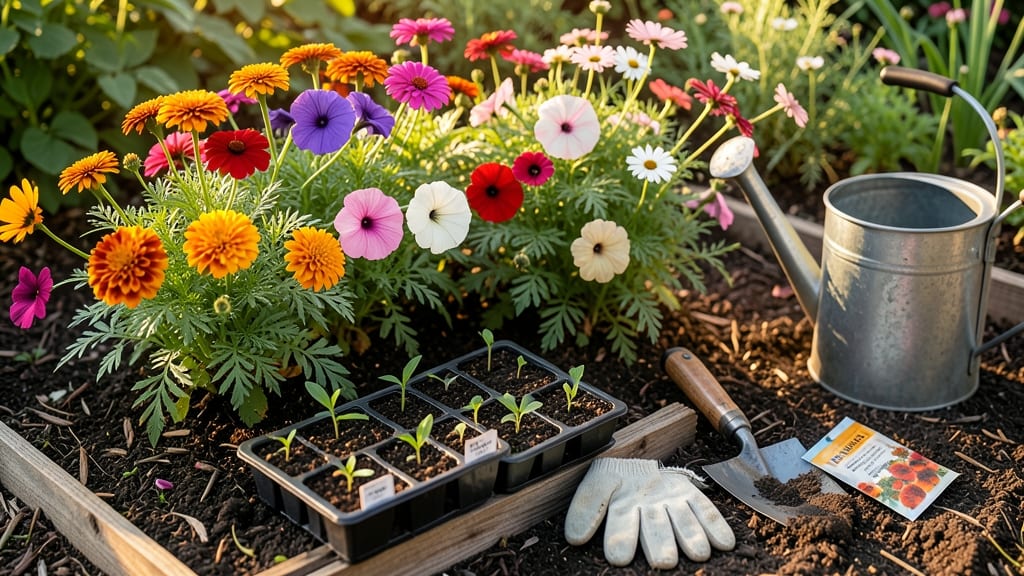
To plant annuals in Massachusetts, aim for April 15–May 15 after the last frost or August 1–September 15 for fall blooms—timing makes the difference between a thriving garden and a frost-killed disappointment.
Massachusetts gardeners know timing is everything—plant too early and risk frost damage, too late and miss the full bloom season. But with the right frost-date cheat sheet, you can transform your garden into a vibrant showstopper year after year.
Cool-season annuals like pansies and snapdragons can handle a light frost, while heat-lovers such as marigolds and petunias need warmer soil and consistent sun to thrive. The key is matching your plants to local frost dates and microclimates.
Below, I’ll break down the exact planting windows by region, share the best annuals for each season, and reveal pro tips to extend your growing season—so you can enjoy nonstop color from spring through fall.
Massachusetts frost dates by region: exact planting windows for annuals
Massachusetts' diverse microclimates mean frost dates can vary by 2-3 weeks between regions. Understanding your local frost window is key to avoiding frost damage while maximizing bloom time.
Whether you're in Boston's coastal zone, Worcester's inland valley, or Cape Cod's maritime climate, these exact dates will help you plan.
Cool-season annuals like pansies and spinach thrive when planted 4-6 weeks before the last frost, while warm-season powerhouses like tomatoes and marigolds need to wait until 2 weeks after the danger has passed. Let's break down the exact planting windows for each region.
The USDA Hardiness Zones in Massachusetts range from 5b (western hills) to 7a (southern coast), but frost dates are more critical than zone numbers for annual planting. Below, I've mapped out the average last frost dates with a ±5-day window to account for year-to-year variability.
🌱 Pro Tip: Use row covers or cold frames to extend your planting window by 2-3 weeks in cooler microclimates like the Berkshires.
Notice how Cape Cod enjoys a longer frost-free season due to its maritime influence, while Western MA has the shortest window—critical for heat-loving annuals like peppers or eggplants. Always check your exact location using the National Weather Service or Almanac frost maps for precision.
For coastal microclimates like Provincetown, you can plant warm-season annuals like basil as early as April 20, while inland areas should wait until May 15. A 5-degree difference in nighttime temperatures can mean the difference between survival and frost damage for tender annuals.
🌿 Microclimate Adjustments: South-facing slopes warm up 1-2 weeks earlier than north-facing areas. Use this to your advantage by planting heat-lovers on sunny hillsides 10-14 days sooner than your region's average.
If you're unsure about your local frost dates, consider investing in a soil thermometer ($15-$20). Plant warm-season annuals only when soil temps reach 60°F—this ensures strong root growth and faster establishment before summer heat sets in.
For fall planting, aim to sow cool-season annuals like kale or pansies by August 15 in most regions. This gives them 6-8 weeks to mature before the first frost. In Cape Cod, you can extend this to September 15 thanks to its warmer coastal climate.
✂️ Actionable Tip: Mark your calendar with these dates and set reminders for
Best annuals to plant in Massachusetts by season: a month-by-month guide
Massachusetts' variable climate demands precise timing for annuals to thrive. Spring brings cool-season bloomers, while summer showcases heat-lovers, and fall extends the season with late-season stars. Let’s break down the best annuals for each season and their perfect planting windows.
For spring planting (March-May), focus on cold-hardy annuals like pansies and snapdragons. These beauties tolerate light frosts and bloom early. Soil prep is key—amend with compost to improve drainage, as Massachusetts’ clay-heavy soils can become waterlogged.
| Season | Plant | Planting Month | Sun Needs | Companion |
|---|---|---|---|---|
| Spring | Pansies | March-April | Full sun to partial shade | Calendula, Lettuce |
| Snapdragons | April-May | Full sun | Marigolds, Basil | |
| Sweet Alyssum | March-April | Partial shade | Pansies, Radishes | |
| Summer | Geraniums | May-June | Full sun | Marigolds, Zinnias |
| Marigolds | May-June | Full sun | Tomatoes, Peppers | |
| Petunias | May-June | Full sun to partial shade | Basil, Lettuce | |
| Fall | Cosmos | July-August | Full sun | Sunflowers, Zinnias |
| Asters | July-August | Full sun to partial shade | Rudbeckia, Coneflowers | |
| Zinnias | June-July | Full sun | Marigolds, Basil |
In summer (June-August), prioritize heat-loving annuals like geraniums and marigolds. These thrive in full sun and well-draining soil. Mulch heavily to retain moisture, as Massachusetts summers can be dry. Pair marigolds with tomatoes to deter pests naturally.
For fall planting (August-September), choose late-season bloomers such as cosmos and asters. These tolerate cooler temperatures and add color until the first frost. Succession planting every 2-3 weeks ensures continuous blooms.
Don’t forget companion planting—marigolds repel pests, while basil enhances flavors in edible gardens. Test soil pH (ideal: 6.0-7.0) and adjust with lime or sulfur before planting. With these tips, your Massachusetts garden will shine year-round!