
Plants
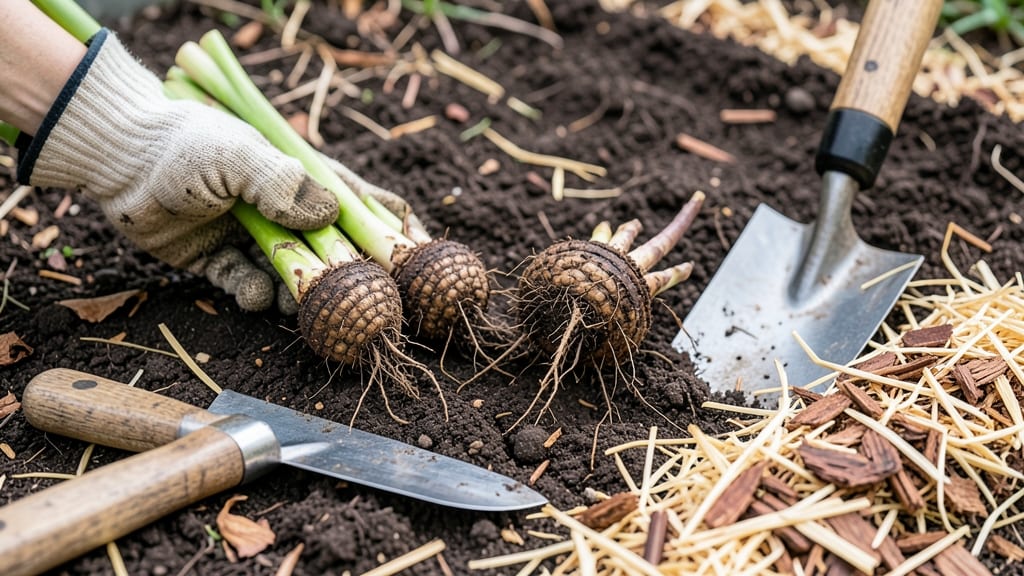
Planting asparagus in Tennessee at the right time—typically early spring—sets the stage for a bountiful harvest 🌱, but timing mistakes can leave you with weak roots or even failed crops.
Tennessee’s humid summers and mild winters create ideal conditions for asparagus, but planting too early risks frost damage, while waiting too long means slower root establishment. The key is getting those crowns in the ground 4-6 weeks before your last frost date—usually by early April in most regions.
In this guide, I’ll break down the best months for planting asparagus in Tennessee’s 6a-7b zones, including soil prep tips and adjustments for high-altitude areas like East Tennessee. You’ll also learn how to spot the perfect window for strong root growth before the heat of summer arrives.
Whether you’re planting crowns in a garden bed or containers on a balcony, these timing strategies will help you avoid common mistakes and maximize your harvest from late spring through early summer.
Best planting months for asparagus in Tennessee’s climate zones
Tennessee’s 7a-8a climate zones offer perfect conditions for growing asparagus, but timing your planting correctly ensures strong root establishment and bountiful harvests. The optimal window depends on whether you’re planting crowns or seeds, as well as your specific region’s last frost dates and soil temperature thresholds.
In Zone 7a (e.g., Nashville, Knoxville), where frost lingers until mid-April, aim to plant 1-year-old crowns in early March to allow roots to establish before warmer weather arrives.
Meanwhile, Zone 8a (e.g., Memphis, Chattanooga) can start slightly later, with late March to early April being ideal for both crowns and seeds.
Soil temperature is critical—asparagus crowns thrive when soil reaches 50°F (10°C) or warmer. In Tennessee, this typically aligns with late March to early April, but cooler microclimates (like high-elevation areas) may require waiting until mid-April.
Seeds, on the other hand, need 60°F (15°C) soil, making them best suited for late April to early May plantings.
Here’s a quick comparison of planting windows across Tennessee’s regions, including soil temperature thresholds and regional adjustments:
For crown plantings, which are the most common method, choose 1-year-old crowns with healthy, firm roots. Plant them 6-8 inches deep and 12-18 inches apart in trenches filled with loose, well-amended soil. This depth mimics their natural growth pattern and encourages strong root development.
If you’re experimenting with seed planting, sow seeds ½ inch deep in late April to early May when soil temperatures consistently reach 60°F (15°C). Seed-grown asparagus takes 2-3 years to produce spears, compared to 1-2 years for crowns, but it’s a rewarding long-term investment for patient gardeners.
Urban Tennesseans with limited space can still grow asparagus in large containers (at least 12 inches deep). Use a well-draining potting mix and plant crowns in early April to align with soil warming trends. Containers heat up faster, so monitor soil moisture closely to prevent drying.
Regardless of your method, avoid planting asparagus in fall. The plant needs time to establish roots before winter dormancy, and a late-season planting can result in weak growth or even winter kill in colder microclimates like East Tennessee’s highlands.
Pro tip: Mark your last frost date on your calendar and count backward 4-6 weeks to determine your ideal planting window. For Nashville, this is typically early March, while Memphis gardeners can push it to late March.
Adjust for microclimates—south-facing slopes warm earlier, while shaded areas may need a later start.
With the right timing and soil prep, your asparagus patch will reward you with spears for 15-20 years—a true testament to patience and precision in the garden. 🌱
How to prepare Tennessee soil for asparagus success
Tennessee’s clay-heavy soils can be a gardener’s challenge, but with the right prep, you’ll create the perfect home for asparagus crowns to thrive 🌱. Asparagus loves well-draining, fertile soil with a pH between 6.5 and 7.0.
If your soil is too dense or acidic, roots will struggle to establish, leading to weak spears or even crop failure.
Start by testing your soil pH using a simple kit from your local garden center. Tennessee’s natural clay often leans toward acidic levels (below 6.5), so you may need to add lime to adjust it.
For sandy soils common in West Tennessee, focus on adding organic matter like compost to improve moisture retention.
Before planting, till the soil to a depth of 12-18 inches to loosen compacted clay and remove weeds. Mix in 3-4 inches of compost or well-rotted manure to boost fertility. Avoid fresh manure, as it can burn young roots and attract pests.
Asparagus roots spread widely, so space your planting rows 18-24 inches apart. If your soil drains poorly, consider raising beds or amending with pine bark fines to improve aeration. This is especially critical in low-lying areas of Middle Tennessee where water can pool after heavy rains.
Avoid These Common Mistakes
Over-fertilizing with nitrogen can lead to lush foliage but fewer spears. Asparagus needs balanced nutrients, especially phosphorus for root growth. Use a 5-10-10 fertilizer sparingly—only in early spring and summer.
Another pitfall is planting too shallow. Crowns must sit 6-8 inches deep to protect them from temperature fluctuations. Shallow planting exposes roots to frost damage in early spring or extreme heat in summer.
For sandy soils in areas like Memphis, mix in peat moss or coconut coir to help retain moisture. In clay-heavy regions like Nashville, incorporate sand or perlite to improve drainage. Mulch heavily with straw or wood chips to keep soil temperatures stable and suppress weeds.
Finally, avoid working the soil when it’s too wet or dry. Clay soils compact easily when wet, while dry soil cracks and loses structure.
Aim to prep your bed when the soil is moist but crumbly—perfect for creating the ideal environment for your asparagus crowns to take root 🌿.