
Plants
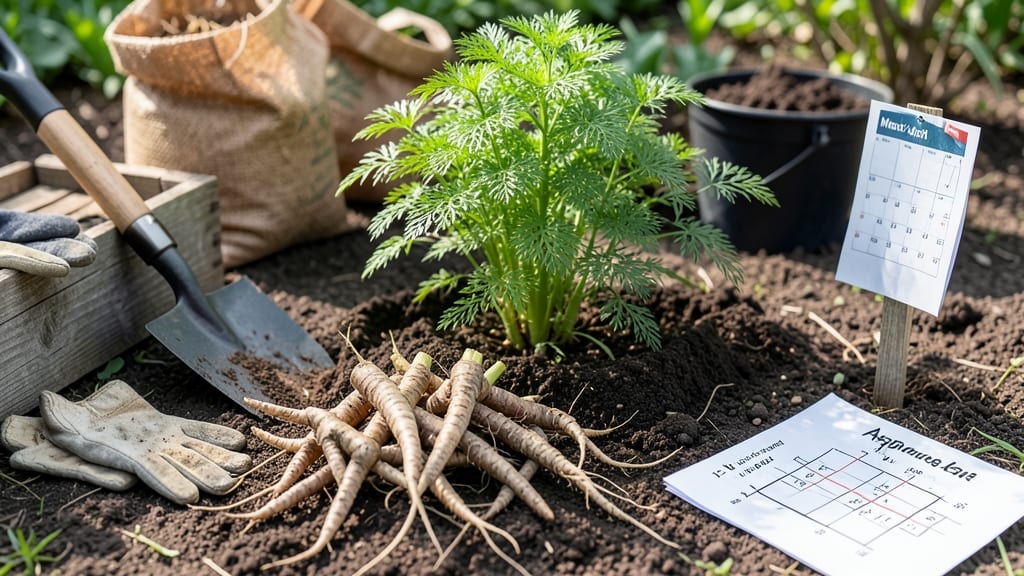
Planting asparagus in Utah between late March and early April ensures your crowns establish roots before the last frost—typically mid-April—while avoiding the heat of summer.
Utah’s shifting climate—from icy mountain air to desert heat—can turn a missed window into a wasted season. But timing it right means years of harvests, not just one.
Whether you’re planting crowns or seeds, soil temperature and microclimates (like the Wasatch Front vs. Southern Utah) play a bigger role than most gardeners realize. I’ll break down the exact steps to align your planting with Utah’s frost dates and soil conditions.
You’ll learn how to prep your soil, choose the right varieties for your zone, and avoid the three biggest mistakes that kill asparagus before it even sprouts.
Utah’s ideal asparagus planting window: frost dates & soil temperatures
Utah’s microclimates create a puzzle for asparagus growers. The Wasatch Front (Salt Lake City area) has USDA Zone 6b, while Southern Utah’s desert regions sit in Zone 7a. Northern Utah’s high elevations drop into Zone 5b, meaning frost dates shift dramatically—sometimes by weeks—across just 100 miles.
Asparagus crowns need soil temperatures between 50°F and 60°F to root successfully. In Utah, this window typically opens in late March for lowland areas but may wait until early April in mountain valleys.
Planting too early risks frost damage, while waiting too long delays your first harvest by a full year.
Here’s how Utah’s three key regions align with planting windows and soil readiness:
| Region | USDA Zone | Last Frost Date | Ideal Planting Window | Soil Temp Goal | Best Varieties |
|---|---|---|---|---|---|
| Wasatch Front (Salt Lake, Provo) | Zone 6b | Mid-April | Late March - Early April | 50°F - 60°F | 'Mary Washington', 'Pacific 2000' |
| Southern Utah (St. George, Cedar City) | Zone 7a | Early April | Late February - Mid-March | 55°F - 65°F | 'Jersey Knight', 'Martha Washington' |
| Northern Utah (Ogden, Logan, High Elevations) | Zone 5b | Late April - Early May | Early April - Mid-May | 45°F - 55°F | 'Green Mountain', 'Purple Passion' |
For crown planting, aim to get asparagus in the ground 4-6 weeks before your area’s last frost. This gives roots time to establish before summer heat arrives. In Utah’s Zone 6b areas, that means planting by March 25th—no later.
Soil preparation is just as critical as timing. Asparagus hates waterlogged soil and thrives in sandy loam with a pH between 6.5 and 7.5. Utah’s alkaline soils often need sulfur amendments (test kits available at local nurseries like Deseret Gardens) to create the perfect growing medium.
Cold-hardy varieties like 'Mary Washington' tolerate Utah’s late spring frosts, but even these need protection if temperatures drop below 20°F. In high-elevation areas, consider row covers or planting near south-facing walls to extend the growing season by 2-3 weeks.
Pro tip: Use a soil thermometer to confirm temperatures before planting. In Utah’s desert regions, soil warms faster than in mountain valleys—sometimes by 10°F—so adjust your timeline accordingly. The goal is root establishment before June’s heat.
Remember, asparagus is a perennial crop that rewards patience. A well-timed planting in Utah’s March-April window can yield harvests for 15-20 years, making frost dates your most important gardening calendar.
Step-by-step asparagus planting timeline for Utah gardens
Utah’s variable frost dates and alkaline soils demand precise timing for asparagus success. Planting too early risks frost damage, while waiting too long means stunted growth before summer heat sets in. My month-by-month guide aligns with Utah’s USDA Zones 5b-7a, accounting for elevation shifts from 4,000 to 8,000 feet.
For Wasatch Front gardeners, aim for late March to early April when soil temps hit 50°F (10°C). In Southern Utah, push planting to mid-April to avoid late frosts. Northern Utah’s higher elevations may need to delay until early May.
📅 Utah Asparagus Planting Timeline
-
Step 1: February (Prep Month)
Test soil pH (aim for 6.5-7.5; amend with sulfur if alkaline). Order crowns (not seeds) from local nurseries like Deseret Gardens. Soak crowns in water for 4-6 hours to encourage root growth. -
Step 2: Late March (Soil Prep)
Amend soil with a 50/50 mix of native soil and sand/peat moss to improve drainage. Utah’s clay-heavy soils benefit from 1-2 inches of compost. Till to 12 inches deep to loosen compacted layers. -
Step 3: Early April (Planting)
Plant crowns 6-8 inches deep, spacing 12-18 inches apart in rows 3 feet apart. Place crowns 2 inches deep initially, then cover with 4 inches of soil as roots establish. Water deeply to settle soil. -
Step 4: April-May (Post-Planting)
Apply 2-3 inches of mulch (straw or wood chips) to retain moisture. Water weekly (1-2 inches per week) until spears emerge. Avoid fertilizer until second year—asparagus needs time to establish roots. -
Step 5: May (First Harvest Prep)
Monitor for spears in Year 3. If planted in Year 1, expect foliage only. In Year 2, harvest 5-10 spears to encourage root growth. Utah’s dry spells may require drip irrigation during summer.
Utah’s alkaline soils often need gypsum (10 lbs per 100 sq ft) to improve drainage. If your soil tests above pH 8.0, mix in peat moss to lower pH gradually.
I’ve found ‘Mary Washington’ and ‘Jersey Knight’ varieties thrive in Utah’s conditions, producing spears for 15+ years with proper care.
After planting, avoid disturbing roots—asparagus forms a deep, permanent network. In Year 1, let foliage grow tall to build energy for future harvests. By Year 3, you’ll see 6-8 inch spears ready for your first full harvest in late May.
Utah’s short growing season means timing is everything—don’t miss this window!
🌱