
Companion Plants
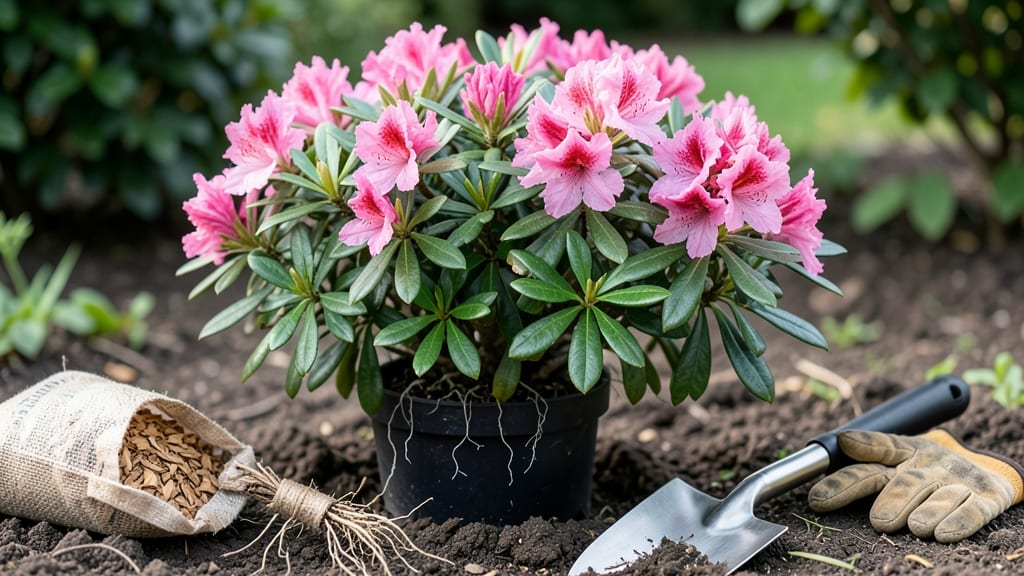
Planting azaleas in Florida at the right time ensures they thrive and bloom beautifully 🌸—aim for fall or early spring when the weather cooperates.
Picture this: you’ve just planted your azaleas in the sweltering summer heat, only to watch them struggle to take root. That’s a scenario no gardener wants, especially in Florida’s unique climate where timing can make or break your shrubs.
Florida’s frost-free zones and humidity mean coastal areas and inland regions have different ideal planting windows. Whether you’re in the Panhandle or the Keys, understanding these nuances is key to avoiding transplant shock and ensuring vibrant blooms.
In this guide, I’ll break down the best months to plant azaleas in Florida, regional differences, and the soil and care tips that keep them flourishing year after year.
Best planting months for Florida azaleas by region (coastal vs inland guide)
Florida's climate offers year-round gardening opportunities, but azaleas thrive best when planted during cooler months. Coastal areas benefit from mild winters and higher humidity, while inland regions experience cooler temperatures and lower humidity—both require precise timing to avoid transplant shock.
The key window spans November through March, aligning with Florida's natural rainfall patterns and avoiding summer's brutal heat.
Azaleas are acid-loving evergreens that need well-draining soil with a pH between 4.5 and 6.0. Coastal Florida's warmer microclimates allow slightly earlier planting, while inland areas should wait until after December's occasional frost.
Understanding these regional differences ensures your azaleas establish strong roots before Florida's summer heat stress begins.
For coastal Florida, I recommend planting between mid-October and mid-March when temperatures average 70-75°F. The higher humidity helps roots establish faster, but watch for salt spray near oceanfront properties—this can damage young foliage.
In South Florida (Zone 10a-11), you can even plant as early as September, but avoid summer heat which causes transplant shock.
Inland areas should focus on November through February when daytime highs stay below 75°F. The cooler nights help reduce stress on newly planted azaleas.
In North Florida (Zone 8a), wait until after December 15 to avoid potential frost damage—even though Florida rarely gets hard freezes, light frosts can still occur. Use mulch blankets for extra protection in these regions.
Soil preparation makes all the difference in Florida's heavy clay soils. Before planting, amend your soil with peat moss or pine bark fines to achieve that acidic pH (4.5-6.0).
Coastal areas often need extra drainage due to salt accumulation, while inland regions benefit from organic compost to retain moisture. Always test your soil's pH before planting—azaleas won't thrive in alkaline conditions.
Microclimates play a crucial role in Florida's diverse landscapes. If you're in a sheltered backyard with mature trees, you might extend your planting window by 2-3 weeks. Conversely, open, sunny areas require more precise timing to avoid summer heat stress.
Pay attention to your specific location's wind patterns—coastal breezes can dry out young plants faster than inland areas.
After planting, maintain consistent moisture for the first 6-8 weeks to encourage root growth. In coastal areas, water deeply 2-3 times per week due to higher evaporation rates.
Inland gardeners can reduce to weekly deep watering once established. Remember, azaleas are not drought-tolerant—they need regular moisture to support their lush foliage and vibrant blooms.
One
Azalea planting mistakes Florida gardeners make (and how to avoid them)
Even experienced Florida gardeners sometimes make critical mistakes when planting azaleas that can stunt growth or kill these beloved shrubs. The biggest mistake? Planting at the wrong time of year.
Florida's humid summers and mild winters create unique challenges, but knowing the right window makes all the difference for your azalea blooms.
Another common error is ignoring the acidic soil requirement (pH 4.5–6.0). Florida's native soil is often alkaline, which can shock azalea roots if not amended properly. Without proper soil prep, even the hardiest varieties struggle to establish themselves, leading to yellowing leaves and poor flowering.
⚠️ callout warning ⚠️
🚨 Deadly Mistake: Planting Azaleas in Florida's Summer Heat
Planting azaleas between May and September exposes them to intense sun and 90°F+ temperatures, causing transplant shock. The roots can't establish before the stress becomes fatal. Solution: Wait until fall (September–November) or early spring (February–March) when temperatures are cooler and humidity is higher.
Many Florida gardeners also skip the mulch layer, which is crucial for retaining moisture and regulating soil temperature. In Florida's climate, mulch helps prevent soil from drying out too quickly during our hot, dry spells while keeping roots cool.
Without it, azaleas become stressed, making them vulnerable to pests and diseases.
Let's talk about watering practices—another area where Florida gardeners often go wrong. Overwatering in the wrong season or underwatering during critical growth periods can both harm azaleas.
The key is deep, infrequent watering during establishment (first 6–12 months) while avoiding soggy soil. In Florida's rainy season, you might need to adjust your watering schedule completely.
Finally, many gardeners plant azaleas in full sun locations, which can scorch their leaves. While azaleas tolerate some sun, they prefer partial shade—especially in Florida's intense coastal climates. A spot with morning sun and afternoon shade is ideal for most varieties, helping them thrive without leaf burn.
By avoiding these common mistakes—wrong timing, poor soil prep, lack of mulch, and improper watering—your azaleas will establish strong roots and reward you with stunning blooms for years to come. 🌸