Plants
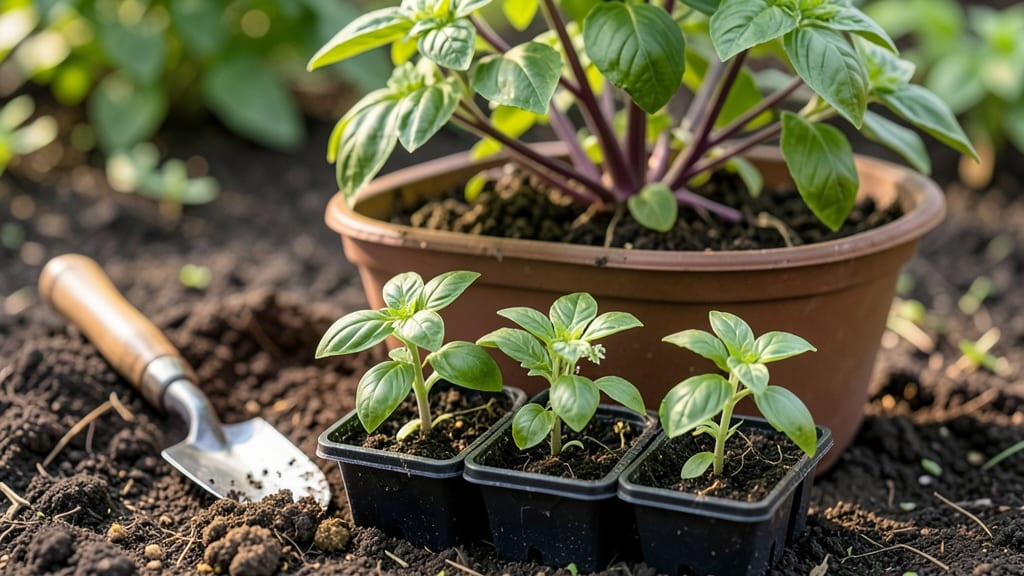
To plant basil in Colorado, wait until after your last frost date—typically mid-April to mid-May for most regions, but late May for high-altitude areas like Colorado Springs.
Colorado’s unpredictable weather can turn your basil dreams into a frost-burned disaster—unless you plant at the perfect time. Get the exact frost-free timeline and pro tips to grow lush, flavorful basil all season long.
Whether you’re in Denver’s 5b zone or the cooler 5a of Colorado Springs, timing is everything. Start seeds indoors 6-8 weeks before your last frost or sow directly when soil hits 50°F.
Below, I break down the best planting windows by region, how to extend your harvest into fall, and the one mistake that kills 90% of Colorado basil gardens before it even starts.
Colorado basil planting timeline: frost dates by region
Colorado’s last frost dates vary wildly—from mid-April in Denver to early June in high-altitude zones. If you plant basil too early, a surprise freeze will kill your seedlings. But wait too long, and you’ll miss the 60-75 day harvest window before fall frosts hit.
Let’s break down the exact timing for your region and how to prep for our infamous heatwaves.
For Denver (Zone 5b), the average last frost is around April 25, but microclimates near the mountains can delay it by weeks. In Colorado Springs (Zone 5a), expect May 10 as your cutoff, while Fort Collins (Zone 4b) gardeners should wait until May 15.
High-altitude areas above 8,000 feet may not see frost-free soil until June 1—so plan accordingly.
🌱
If you’re growing basil in containers, you can push your planting window 2-3 weeks earlier because pots warm up faster in the sun. But beware: Colorado’s afternoon heat can scorch tender seedlings. To protect them, use shade cloth (30-50%) during 10 AM–3 PM until plants are established.
For in-ground planting, wait until soil temperatures hit 50°F+.
Test this by placing a thermometer in the soil at noon—if it’s cooler, delay planting. High-altitude gardens often struggle with short growing seasons, so consider fast-maturing varieties like Genovese or Spicy Globe, which mature in 45-50 days.
Pro tip: Stagger your planting! Sow a few seeds every 2 weeks from May to July for a continuous harvest. This works especially well for container gardens, where you can move pots to sunnier spots as needed.
Just remember—basil hates cold feet, so keep containers off cold patios or concrete.
Once your basil seedlings hit 4-6 inches tall, they’re ready to transplant. But don’t rush! If a late-May frost is forecasted, cover them with frost cloth or a clear plastic dome.
And if you’re in Denver or Colorado Springs, keep an eye on heatwave warnings—temperatures above 90°F can cause basil to bolt (flower) prematurely, ruining its flavor.
For fall planting, aim for late July to early August to give your basil enough time to mature before the first frost. This is especially critical in Zone 4b areas, where the season is just 120 days long.
Use row covers to extend the season by 2-3 weeks in fall, and harvest leaves before flowers appear to keep the flavor bright and sweet.
🌿
How to extend your Colorado basil season: staggered planting & cold protection
Colorado’s short growing season doesn’t mean you have to settle for just a few weeks of basil. With smart planning, you can enjoy fresh Genovese, Thai, or Purple basil from early May to late September—or even overwinter it for year-round harvests.
The secret? Staggered planting and cold protection strategies tailored to Colorado’s USDA Zones 4-7 and microclimates.
Basil thrives when soil temps hit 50°F+, but Colorado’s last frost dates vary wildly—from mid-April in Denver to early June in high-altitude areas. By planting in 3-week intervals and using row covers, you can stretch your harvest window by 4-6 weeks.
Even better? Move potted basil indoors before first frost (mid-October) for a winter harvest.
- 📅 Plant in 3-week batches: Start first batch 2 weeks after last frost, then repeat every 3 weeks until mid-July for continuous harvests.
- 🛡️ Use row covers: Protect young plants with floating row covers for 1-2 weeks after transplanting to shield from late frosts (common in June at high elevations).
- ☀️ Leverage microclimates: Plant near south-facing walls or black plastic mulch to warm soil 5-10°F faster in spring.
- 🏡 Overwinter indoors: Move potted basil to a sunny window (or under grow lights) before first frost; prune by ½ to encourage bushiness.
- 💧 Adjust watering: Reduce watering by 30% in late summer to prevent bolting from heat stress (common in Denver’s 90°F+ days).
For succession planting, start seeds indoors 6-8 weeks before last frost (early March for Denver) or buy transplants from local nurseries once soil warms. Genovese basil is best for pesto, while Thai basil handles Colorado’s heat better.
Space plants 12-18 inches apart in well-draining soil—sandy loam works best in dry climates.
When late-summer heat (common in August-September) threatens to bolt your basil, shade cloth (30-50% coverage) can save your harvest. Dwarf varieties like Spicy Globe are ideal for containers and high-altitude gardens, where cool nights slow growth. Mulch with straw to retain moisture and regulate soil temps.
Don’t let Colorado’s first frost end your basil season! Before temps drop below 32°F, bring potted plants indoors to a bright, cool spot (60-65°F). Prune back by ⅓ and reduce watering to every 7-10 days. With grow lights, you can harvest basil year-round—even in winter.
Pro tip: Save seeds from your best plants for next year! Let a few flowers go to seed, then dry and store them in a cool, dark place.
Start seeds indoors in February for an early jumpstart on the season. With these strategies, you’ll enjoy fresh basil from May to October—or longer! 🌿