
Plants
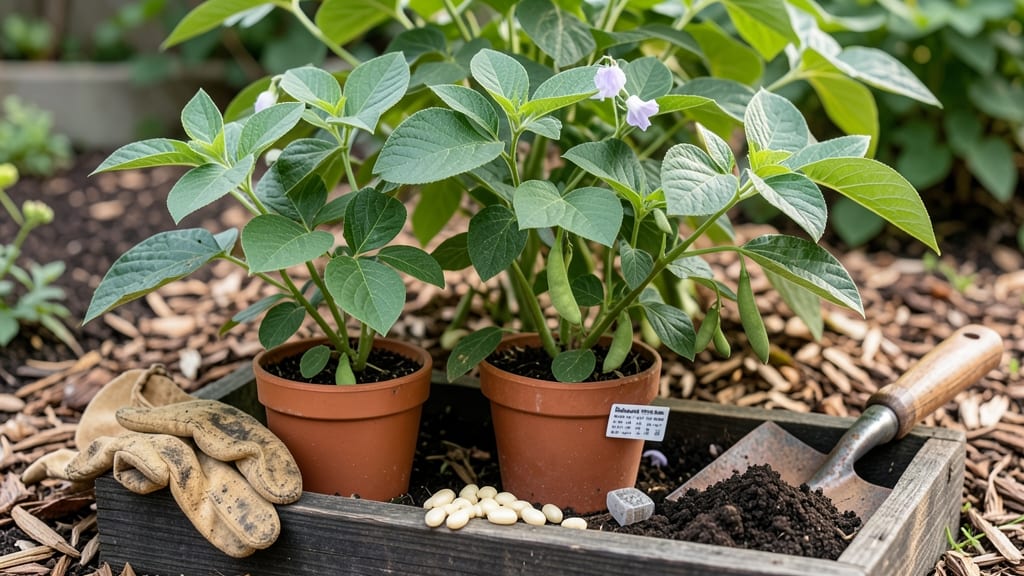
Planting beans in New Jersey after the last frost—typically around April 15—sets you up for a bountiful summer harvest of crisp pods by July.
New Jersey gardeners know timing is everything—plant too early, and frost will wipe them out; too late, and your harvest suffers. But with NJ’s unique microclimates, figuring out the perfect window can be tricky.
Whether you’re growing bush beans, pole beans, or heirloom varieties, soil temperature and local frost dates matter more than a generic calendar. Below, I’ll break down the ideal planting windows for USDA Zones 6a-7b, plus tips to extend your harvest through succession planting.
You’ll also discover how to adjust for urban plots, container gardening, and NJ’s humid summers—so you can avoid common mistakes and enjoy fresh beans straight from your garden.
New Jersey bean planting dates by USDA Zone and bean type
New Jersey spans USDA Zones 6b-7b, where soil temperature and frost dates dictate the perfect window for planting beans. Unlike cooler climates, NJ’s humidity and quick warming create ideal conditions once the soil hits 60°F+.
Missing these windows means risking stunted growth or frost damage—especially for heirloom varieties that thrive in NJ’s heat.
Most NJ gardeners focus on two planting windows: an early spring batch (after last frost) and a late summer batch for fall harvests. Bush beans and pole beans have different timing needs, while heirloom varieties often require even warmer soil.
Below, I’ve broken down the exact dates and soil conditions for each type, plus tips to extend your harvest season.
🌱
For USDA Zone 6b (northern NJ, like Bergen County), aim for late April to mid-May for bush beans, as cooler soils delay germination. In Zone 7b (southern NJ, like Cape May), you can start 2-3 weeks earlier thanks to warmer microclimates.
Always check your local last frost date—NJ’s varies yearly, but April 15 is a safe average.
Pole beans need warmer soil (65°F+) and are best planted 2-3 weeks after bush beans.
This staggered approach ensures your harvest isn’t overwhelmed all at once. Heirloom varieties, like ‘Kentucky Wonder’ or ‘Rattlesnake’, often require even warmer soil (70°F+) and should wait until late May in cooler zones.
🌿
To extend your harvest, try a second planting in late July. This works best for bush beans in all zones, as they mature quickly (50-60 days). Use row covers if planting near first frost dates (mid-October) to protect tender plants.
For pole beans, a second planting is riskier but possible in Zone 7b if you choose fast-maturing varieties like ‘Blue Lake’.
One common mistake NJ gardeners make is planting too early and ending up with frost-damaged seedlings. Use a soil thermometer to confirm temperatures—60°F is the minimum for bush beans, but 70°F+ is ideal for heirlooms.
If your soil is still cold, wait or use black plastic mulch to warm it faster.
🪴
Pro tip: In urban NJ gardens (like Jersey City or Newark1-2 weeks earlier than in-ground, as pots warm up faster. Just ensure containers have drainage holes and use a lightweight potting mix to prevent waterlogging.
For in-ground planting, amend soil with compost to improve drainage—NJ’s clay-heavy soils can suffocate roots if too compact.
Finally, succession planting
5 Critical factors that determine your NJ bean planting success
Figuring out the best time to plant beans in NJ isn’t just about checking a calendar—it’s about understanding your local microclimate, soil conditions, and how urban vs. rural growing areas differ.
In my experience, even a week’s delay can mean the difference between a thriving harvest and struggling plants. Let’s break down the five factors that truly matter for NJ gardeners.
First, soil temperature is non-negotiable. Beans need soil that’s at least 60°F to germinate properly. In most of NJ, this typically aligns with late April to early May, but cooler northern zones like Sussex County may need to wait until mid-May.
I always test my soil with a simple thermometer—it’s a game-changer for avoiding failed plantings.
- Soil Warmth: Wait until soil reaches 60°F+ (use a soil thermometer!). In NJ, this is usually late April-early May in southern regions, but mid-May in northern areas.
- Last Frost Dates: NJ’s average last frost ranges from April 15 (south) to May 1 (north), but urban areas can be 1-2 weeks later due to heat islands.
- Companion Plants: Pair beans with corn and squash (the "Three Sisters" method) to improve growth, or plant marigolds to deter pests like Mexican bean beetles.
- Urban vs. Rural Adjustments: Urban plots dry faster—water daily in containers and use mulch to retain moisture. Rural areas may need less frequent watering.
- Common Mistakes: Avoid planting too deep (1 inch max), overcrowding seeds (3-4 inches apart), or ignoring drainage—beans hate soggy roots!
Next, last frost dates are a moving target in NJ. While the average last frost for southern NJ (like Atlantic City) is around April 15, northern areas like Lake Hopatcong can see frost as late as May 1.
I’ve seen gardeners rush planting only to lose their beans to a surprise frost. Always check the National Weather Service or local Cooperative Extension for updates—it’s worth the 30 seconds.
Don’t overlook companion planting. Beans are legumes, meaning they fix nitrogen in the soil, but they still benefit from good neighbors. I’ve had the most success with the Three Sisters method: planting beans with corn and squash.
The corn provides shade, the squash suppresses weeds, and the beans feed the soil. For urban gardeners with limited space, marigolds are my go-to pest deterrent—they repel Mexican bean beetles naturally.
Urban gardeners face unique challenges. Concrete and pavement create heat islands, which can dry out soil faster and delay planting by a week or more. If you’re growing in containers, I recommend self-watering pots and checking moisture daily—beans in pots dry out in half the time of in-ground plants.
Meanwhile, rural gardeners might deal with heavier clay soils. Amending with compost or using raised beds can make all the difference.
Finally, let’s talk about common mistakes I see NJ gardeners make. Planting too deep is a big one—beans need to be sown only 1 inch deep. Overcrowding seeds is another issue; space them 3-4 inches apart for proper airflow.
And never skip checking drainage. Beans hate soggy roots, so if your garden holds water after rain, consider raised beds or mounding soil.
Master these five factors, and you’ll be well on your way to a bountiful bean harvest in NJ. Start with soil warmth, adjust for your microclimate, and don’t forget the power of good companions—your beans will thank you with pods full of flavor! 🌱