
Plants
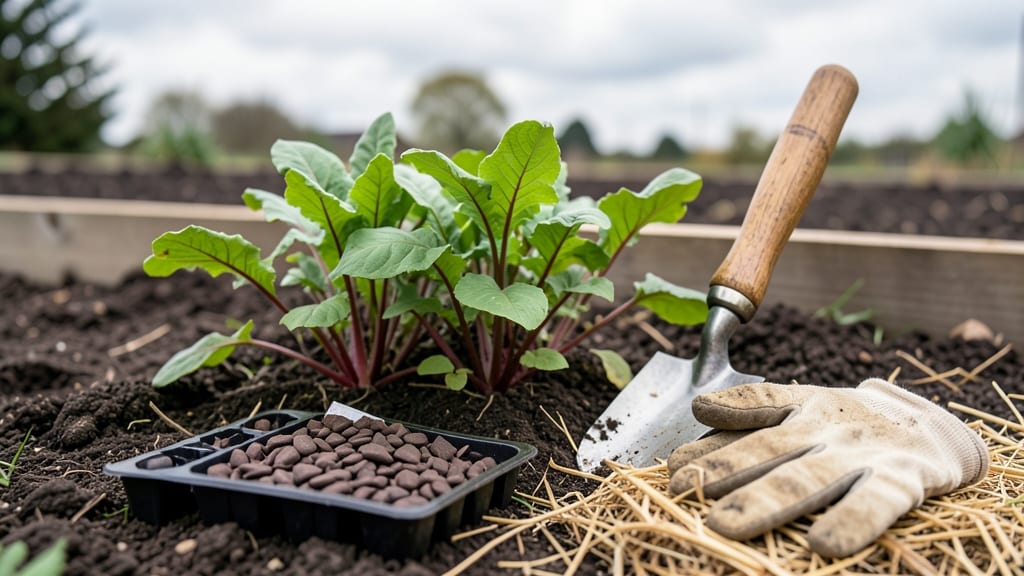
Planting beets in Central Florida works best from September through November and again in February to March, when the heat hasn’t yet turned your garden into a sauna.
Picture this: you’ve spent weeks nurturing your 🍠 beets, only to watch them bolt into bitter, stringy stalks by May. That’s the harsh reality of summer planting in our 9a zone—unless you know the secret windows that keep them sweet and tender.
Central Florida’s climate is tricky—hot, humid summers and mild winters make timing everything. Plant too early in spring, and the heat arrives before harvest. Too late in fall, and you risk a rare frost.
I’ve tested these windows myself, and the difference between success and failure comes down to two key months each season.
In this guide, I’ll walk you through the exact planting calendar, how to outsmart bolting with shade tricks, and even how to stretch your harvest into summer with a few clever hacks. No more wasted seeds—just crisp, juicy beets all year long.
Central Florida beet planting calendar: best months to avoid bolting
Central Florida’s 9a USDA zone means we enjoy mild winters and long, hot summers—but those conditions can turn your beet harvest into a bitter disappointment. The key to success? Planting during the coolest months when soil temperatures stay below 75°F.
This prevents bolting, the process where beets send up flower stalks and turn woody. Let’s break down the best planting windows and how to stretch your growing season without risking failure.
Beets thrive in fall and winter when temperatures dip below 80°F. In Central Florida, this means focusing on September through November for fall plantings and February through March for spring.
These windows align with our dry season, which also means less fungal pressure. But don’t worry—we’ll cover how to cheat the system for summer harvests later!
Soil temperature is your first clue: beets need soil between 50°F and 75°F to germinate and grow properly. Use a soil thermometer to check before planting. If it’s above 80°F, even shade won’t save your crop from bolting. Pro tip: Morning soil temps are the most reliable indicator—aim for 60°F-70°F for ideal germination.
Here’s your Central Florida beet planting calendar, broken down by season with key thresholds:
For fall plantings, start seeds in September when soil temps drop below 80°F. This gives you a head start before the first frost (rare but possible in mid-November).
Succession plant every 2–3 weeks until October to ensure a continuous harvest. Use row covers in late fall to extend the season if temps dip below 40°F.
Winter is your sweet spot for beets in Central Florida. Plant in December for a February–March harvest before summer heat sets in. These beets grow slowly but develop sweeter roots due to cooler temps.
Watch for frost warnings—if temps drop below 30°F, protect plants with frost cloth or move containers indoors.
Spring plantings in February–March offer a May–June harvest, but bolting risk increases as days lengthen. Choose heat-tolerant varieties like 'Detroit Dark Red' or 'Golden' and plant in partial shade if possible.
Mulch heavily with straw or grass clippings to keep soil cool and moist. If you see bolt-resistant varieties at nurseries, grab them—they’re worth the extra cost!
Now, what if you’re dying for summer beets? You can attempt it, but with shade cloth and
Heat triggers that cause beets to bolt: how to outsmart Central Florida’s climate
Beets bolt when they sense heat stress or long daylight hours, turning their energy from root growth to seed production. In Central Florida, temperatures above 80°F (27°C) for prolonged periods trigger this survival mechanism, while 14+ hours of daylight in summer accelerates bolting.
Even our mild winters can cause issues if planted too early—beets need consistent 60-70°F (15-21°C) soil temps to thrive.
I’ve seen firsthand how May’s heat waves can ruin a perfect spring planting, leaving me with nothing but bitter greens. The key is understanding your beets’ thermal thresholds and adjusting your planting schedule or growing conditions accordingly.
For example, 'Golden' beet varieties bolt faster than 'Detroit Dark Red' under heat stress, but both will suffer if planted in July.
Day length changes also play a role—beets detect increasing daylight hours starting in late winter, which can prompt early bolting if temperatures rise too quickly. This is why fall plantings (September-November) often succeed while spring plantings (February-March) require extra vigilance.
The solution? Succession planting in short intervals to stagger maturity and shade cloth for summer attempts.
⚠️ BOLTING WARNING: Central Florida’s Heat Thresholds
Soil Temp: Above 75°F (24°C) for 3+ days = bolting risk
Air Temp: Sustained 85°F (29°C) triggers stress response
Daylight: 14+ hours of sun accelerates bolting cycle
Solution: Use 30-50% shade cloth in summer or plant heat-tolerant varieties like 'Chioggia' or 'Cylindra'.
To combat bolting, I recommend mulching with straw to keep soil temps stable and drip irrigation to prevent moisture stress. Organic mulch like straw or grass clippings can lower soil temperatures by 5-10°F, creating a cooler microclimate for roots.
For summer plantings, 30% shade cloth reduces heat exposure while still allowing 6+ hours of light—critical for growth.
Variety selection is your secret weapon. 'Detroit Dark Red' handles heat better than 'Babybeat', while 'Golden' types bolt fastest under stress. Try 'Heat Tolerant' hybrids labeled for southern climates, or opt for leaf-only varieties like 'Fordhook Giant' if you’re determined to grow in summer.
I’ve had success with container gardening for summer beets—pots heat up faster, but you can move them to shaded areas during peak afternoon sun.
For continuous harvests, plant every 2 weeks from September through November, then again in February. This succession planting strategy ensures you always have young, tender beets reaching harvest size before heat stress sets in.
Pair this with regular thinning (leave 2-3 inches between plants) to reduce competition and stress on remaining plants.