
Plants
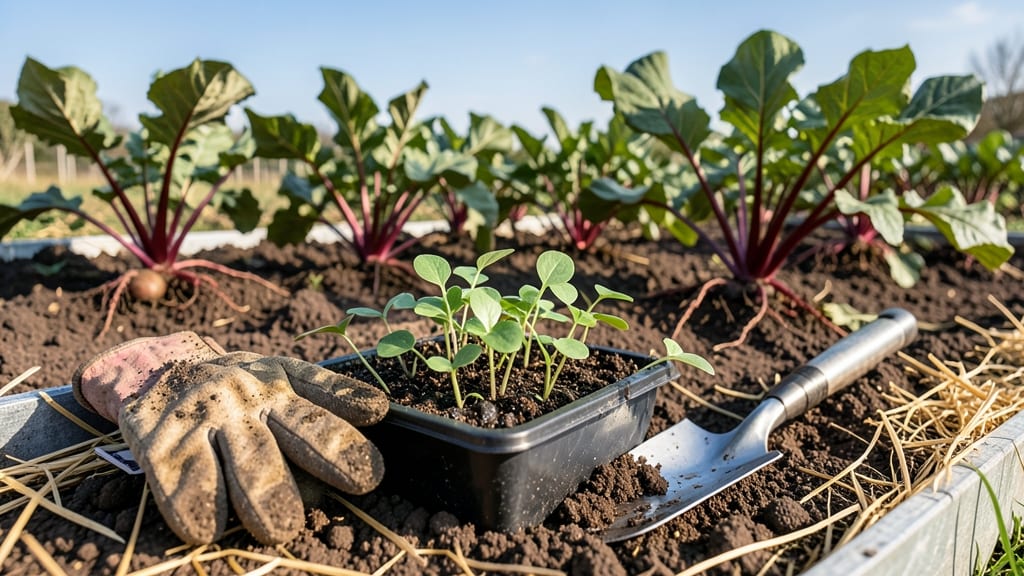
Planting beets in Louisiana at the right time means the difference between crisp, sweet roots and sad, mushy failures — and the perfect windows are September-October for fall and February-March for spring.
Here’s the catch: Louisiana’s heat and humidity can turn your beets into a science experiment if you plant too early or too late. I’ve seen golden beets bolt into flowers in August and detroit dark reds rot in the steamy ground by May.
Timing isn’t just about months—it’s about soil temps, shade, and even the moon phase (yes, really).
You’ll learn how to read your local frost dates, adjust for humidity, and pick the best beet varieties that won’t quit in 8a-9b heat. Spoiler: Chioggia holds up better than you’d think, and shade cloth is your new best friend.
By the end, you’ll have a foolproof schedule—no more guessing, no more wasted seeds. Just crisp, earthy beets ready to harvest when your neighbors are still sweating over their gardens.
Louisiana beet planting calendar: best months by season
Louisiana’s humid subtropical climate creates two perfect windows for growing crisp, sweet beets: fall/winter and early spring. Miss these timings, and you’ll battle bolting or rot from summer’s heat.
I’ve planted beets here for 10 years, and these months consistently deliver the best results—whether you’re a backyard gardener or homesteader.
The key is avoiding 90°F+ temperatures, which cause beets to bolt (flower prematurely) or develop woody, fibrous roots. Louisiana’s USDA Zones 8a-9b mean we can push planting later into fall than northern states, but timing is everything.
Let’s break down the two ideal seasons and how to adjust for your specific microclimate.
| Season | Best Planting Months | Soil Temp (°F) | Daylight Hours | Harvest Window | Key Consideration |
|---|---|---|---|---|---|
| Fall/Winter | September 15 - October 15 | 65-75°F | 11-12 hours | November - December | Cool nights prevent bolting |
| Early Spring | February 1 - March 15 | 55-65°F | 11-12 hours | May - June | Avoid planting before last frost |
| Late Spring (Risky) | April 1 - April 15 | 70-80°F | 13-14 hours | May (small harvest) | Use shade cloth for success |
| Fall Succession | October 30 - November 15 | 60-70°F | 10-11 hours | December - January | Protect from light frosts |
For fall planting, aim for September 15 to October 15—this gives beets 60-70 days to mature before winter slows growth. The ideal soil temperature is between 65-75°F, which Louisiana’s fall typically provides.
I’ve found that planting in well-amended raised beds extends the season by 2-3 weeks compared to in-ground planting.
Spring planting in Louisiana starts February 1 to avoid the last average frost date (January 15). Wait too long, and you’ll face bolting as days lengthen.
I recommend using row covers if planting in late February to protect young seedlings from unpredictable cold snaps that can still hit in early spring.
If you’re eager for summer harvests, late April plantings can work—but only with shade cloth (30-50%) to keep soil temps below 80°F. I’ve tried this with ‘Babybeat’ varieties and achieved small harvests in early May, though roots tend to be smaller and less sweet than fall-grown beets.
Succession planting in late October gives you a winter harvest before the ground freezes. Use black plastic mulch to maintain soil warmth and protect roots from light frosts. My Chioggia beets planted November 1 consistently survive until mid-December with this method.
Remember: Beets hate heat—any planting after April 15 risks bolting or poor germination. The humidity in Louisiana also increases disease risk, so always plant in well-draining soil with 2-3 inches of mulch to prevent rot.
Pro tip: Mark your calendar for September 15 and February 1—these are my go-to planting dates for crisp, sweet beets every year. Stick to these windows, and you’ll avoid the summer slump that turns beets into sad, stringy disappointments.
🌱
How to adjust beet planting for Louisiana’s humidity & heat
Louisiana’s stifling humidity and intense heat can wreak havoc on beet crops if you don’t adapt your planting strategy. Beets thrive in cooler temperatures but struggle with bolting (premature flowering) and root rot when exposed to prolonged heat.
The key is to create the right conditions—whether through shade strategies, soil amendments, or smart irrigation—to keep your beets crisp and sweet.
First, focus on fall planting (September-October) when temperatures begin to dip, but still avoid the hottest afternoons. If you’re planting in early spring (February-March), use row covers to shield seedlings from sudden heat spikes.
Louisiana’s microclimates—like the cooler highlands versus the sweltering coastal areas—also demand localized adjustments. Let’s break down the critical steps to protect your beets from Louisiana’s climate challenges.
⚠️ Heat Stress Warning
Beets bolt (go to seed) when daytime temps exceed 80°F for 3+ days. In Louisiana, this happens April-June and September. To prevent it:
- Plant in partial shade (30-50% coverage) during peak heat.
- Avoid fertilizing in summer—nitrogen speeds up bolting.
- Harvest early if temps rise; baby beets (1-2 inches) taste best.
Start by amending your garden soil with organic matter like compost or aged manure to improve drainage. Louisiana’s clay-heavy soils retain too much moisture, leading to root rot. Mix in sand or perlite (20-30%) to create a looser texture.
Aim for a pH of 6.0-7.0—beets are forgiving but perform best in slightly acidic to neutral soil. Test your soil before planting, as Louisiana’s acidic soils (common in pine forests) can stunt growth.
For irrigation, prioritize deep, infrequent watering over shallow daily sessions. Beets need 1 inch of water per week, but Louisiana’s humidity means you’ll need to adjust. Water early morning (before 8 AM) to let foliage dry quickly and prevent powdery mildew.
Use mulch (straw or shredded leaves) to retain moisture and block weeds, which compete for water. In coastal areas, where humidity is extreme, elevate beds slightly to improve airflow.
If you’re planting in summer (a risky but possible option for heat-tolerant varieties), opt for afternoon shade. Install row covers or use nearby trees to cast shade during the hottest hours (12-4 PM).
For container growing, choose light-colored pots to reflect heat and place them in elevated areas with afternoon shade. Monitor soil moisture closely—containers dry out faster in Louisiana’s heat, and beets are sensitive to both drought stress and waterlogging.
Finally, succession planting is your best friend in Louisiana’s unpredictable climate. Instead of one large planting, sow small batches every 2 weeks in fall or spring. This ensures a continuous harvest before heat sets in.
For example, plant 20% of your seeds in early September, another 20% in mid-September, and the final 60% in late September. This staggered approach minimizes losses from sudden heat waves or unexpected storms.
With these adjustments, you’ll avoid the mushy, bitter beets that plague Louisiana gardeners. Focus on cool-season planting, soil drainage, and strategic shade, and you’ll enjoy crisp, sweet roots all season long. Happy growing! 🌱