
Plants
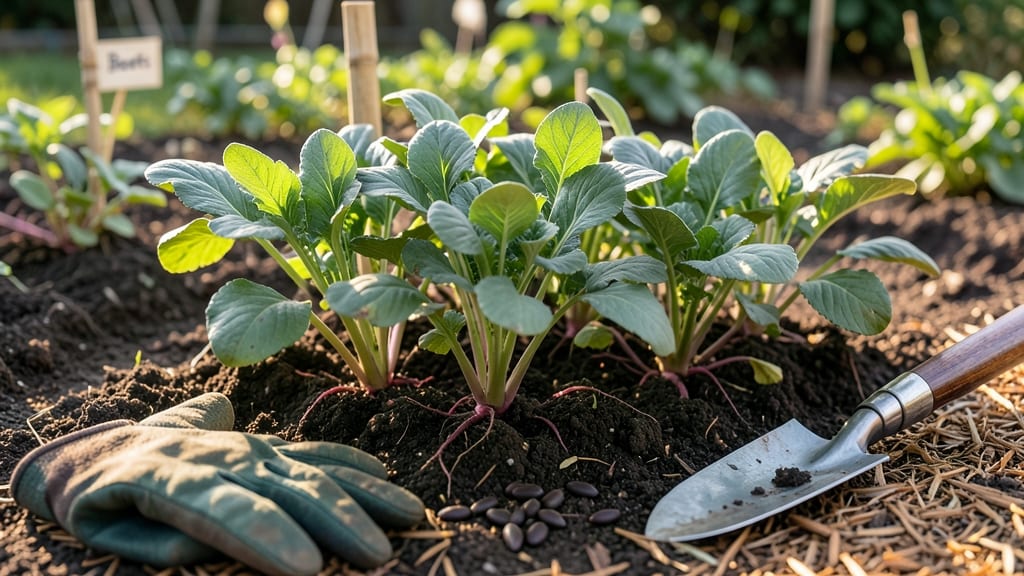
Planting beets in NJ at the right time means the difference between a sweet, tender harvest and tough, woody roots — and the window is narrower than you might think.
New Jersey’s unpredictable spring and fall weather can make timing beet plantings tricky, but getting it right means sweeter harvests and fewer pests. Whether you’re aiming for spring greens or fall storage roots, the key lies in frost dates, soil temperatures, and regional microclimates.
In USDA zones 6a-7b, the ideal planting window for beets opens in early March and stretches into April for spring crops, while late summer plantings in July-August set up fall harvests before the first frost. Miss the mark, and you’ll end up with bolting plants or stunted growth.
Below, I’ll break down the exact planting dates for your part of NJ, how to extend the season with succession planting, and the one soil trick that keeps beets thriving even in humid summers.
Best planting windows for beets in NJ: spring vs fall timing
New Jersey’s USDA zones 6a-7b create unique challenges for beet growers, where soil temperature and first-frost dates vary dramatically between northern and southern regions. Timing your plantings correctly ensures sweet, tender beets instead of tough, woody roots or frost-damaged crops.
Beets thrive in cool-season conditions, making both spring and fall ideal planting windows. However, NJ’s unpredictable weather patterns—especially in coastal areas—require careful planning. Southern NJ (like Atlantic City) enjoys 2-3 extra weeks of growing season compared to northern areas (like Sussex County).
For spring plantings, I recommend starting seeds indoors 4-6 weeks before your last expected frost date. Northern NJ gardeners should aim for March 15 outdoor sowings, while southern NJ growers can begin as early as February 20.
Use a soil thermometer to confirm temperatures are consistently above 45°F—beets won’t germinate in colder soil.
When planting in fall, prioritize late July to early August timings to avoid beets bolting before frost. In northern NJ, aim to harvest by October 15, while southern NJ growers can extend harvests until November 1.
Always check your local first-frost date—NJ’s varies yearly, but plan for mid-October as a safe cutoff.
Coastal NJ gardeners benefit from milder microclimates, allowing 2-3 extra weeks of fall growth. However, inland areas like the Poconos face earlier frosts, so adjust planting dates 1-2 weeks earlier than coastal zones. Monitor humidity levels too—high humidity in fall can promote leaf diseases like downy mildew.
Pro tip: Use black plastic mulch to warm soil faster in spring or straw mulch to insulate roots in fall. This extends your planting windows by 10-14 days in both seasons. Always thin seedlings to 3-4 inches apart to prevent competition and ensure sweet, uniform roots.
Remember, beets are bolting-sensitive—if temperatures exceed 75°F for 3+ days, they’ll go to seed prematurely. Choose heat-tolerant varieties like 'Cylindra' or 'Chioggia' for late-spring plantings, and always provide consistent moisture to maintain sweetness.
🌱
How to extend the beet growing season in NJ: succession planting & cold protection
New Jersey gardeners can enjoy fresh beets all season long with the right strategies. By using succession planting and cold protection, you can stretch your harvest from early spring through late fall. This approach ensures you avoid gaps in production and maximizes your garden space.
Beets thrive in cool weather, making them perfect for spring and fall plantings in NJ's USDA zones 6a-7b. The key is timing your plantings every 3-4 weeks and protecting young plants from unexpected frosts. With these methods, you can enjoy homegrown beets for nearly 8 months of the year.
🌱 4-Week Succession Planting Calendar for NJ Beets
- Week 1: Plant early March (after last frost) for June harvest. Use row covers for frost protection.
- Week 5: Sow mid-April for July-August harvest. Choose heat-tolerant varieties like 'Detroit Dark Red'.
- Week 9: Plant early July for fall harvest before first frost. Use black plastic mulch to retain soil warmth.
- Week 13: Sow late August with row covers for October-November harvest. Protect from light frosts.
For cold protection, lightweight floating row covers work wonders during early spring and late fall. These allow sunlight and rain to penetrate while shielding plants from 25°F temperatures. In my garden, I've used agricultural fabric to extend beet harvests by 3-4 weeks in both directions.
When selecting varieties, prioritize cold-hardy types like 'Ruby Queen' or 'Golden' for early plantings. These varieties tolerate 28°F temperatures better than standard beets. For late summer plantings, opt for heat-tolerant varieties that won't bolt prematurely in NJ's summer heat.
Remember to maintain consistent soil moisture during dry spells, especially when young seedlings are establishing. Mulching with straw or grass clippings helps retain moisture and regulate soil temperature. This simple practice can make the difference between thriving plants and struggling seedlings.
By implementing these succession planting strategies and cold protection methods, you'll enjoy a continuous supply of fresh beets throughout NJ's growing season. The key is planning your plantings in advance and being prepared to protect your crops when needed.