
Plants
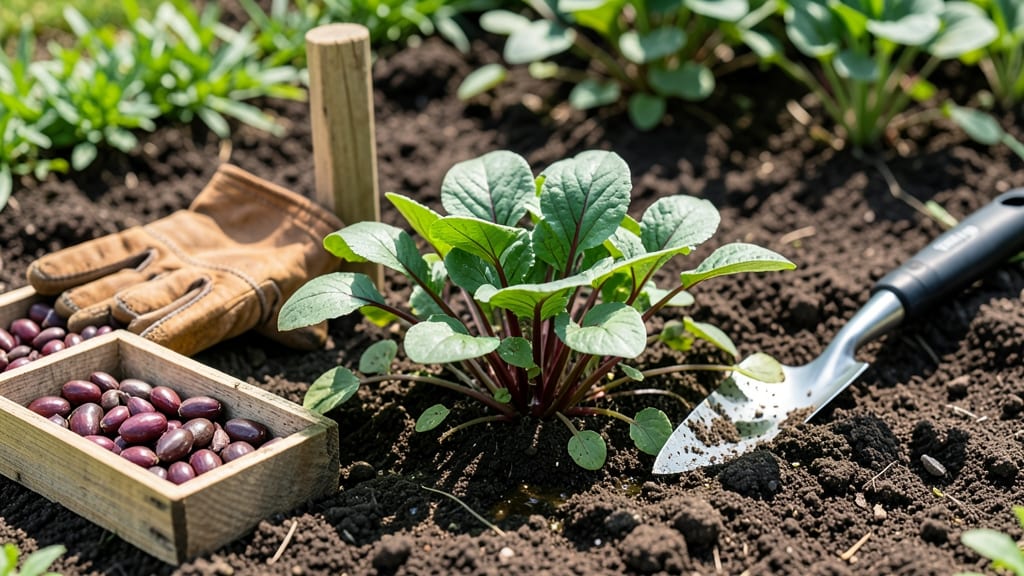
Planting beets in Zone 5b means timing your seeds for soil temperatures between 40°F and 60°F—too cool, and they’ll sulk; too warm, and germination slows to a crawl.
Struggling to get your beets to germinate quickly in Zone 5b? Timing is everything—and soil temperature holds the key to avoiding slow, spotty sprouts that frustrate even experienced gardeners.
Most gardeners in 5b plant their 🍠 seeds in early spring (late March to mid-April) or late summer (July to early August), but those dates can shift with a late frost or a heatwave. A soil thermometer is your best friend here—aim for 50°F or warmer for consistent, fast germination.
Below, I’ll walk you through the exact planting windows, how to adjust for Zone 5b’s unpredictable swings, and whether starting indoors gives you an edge—or if direct sowing is simpler.
Optimal planting windows for beets in Zone 5b by soil temperature
If you've ever planted beets in Zone 5b only to watch them sit stubbornly in the soil for weeks before sprouting, you're not alone. The secret to fast, reliable germination lies in soil temperature, not just calendar dates.
Beets thrive when soil reaches specific warmth thresholds—each range dramatically impacts how quickly (or slowly) your seeds will sprout and grow.
Unlike many vegetables, beets are cool-season crops that tolerate light frosts but demand precise soil conditions for optimal performance. In Zone 5b, where average last frost dates hover around April 15, soil temperatures can swing wildly between 40°F and 70°F during spring planting windows.
Understanding these ranges helps you avoid the heartbreak of slow, patchy germination or bolting before harvest.
Here's the game-changer: Beet seeds typically germinate in 7-14 days, but this timeline shrinks dramatically when soil hits the right temperature. At 40-50°F, expect sluggish sprouts taking 2-3 weeks.
At 60-70°F, seeds often pop up in just 5-7 days. The difference comes down to metabolic activity—warmer soil kickstarts enzymatic processes that break seed dormancy faster.
To test your soil temperature accurately, use a soil thermometer (available for under $10) and check readings at 2-inch depth—this mimics where beet seeds are planted. Morning readings (between 9-11 AM) are most reliable because soil hasn't absorbed daytime heat yet.
Pro tip: If your soil is consistently below 50°F in spring, consider using a cold frame or row covers to create microclimates that warm up faster.
For Zone 5b gardeners, the 50-60°F range offers the sweet spot for spring planting, aligning with late April to mid-May when frost risk drops significantly. This window delivers 7-10 day germination and minimizes bolting (when beets flower prematurely).
If you're planting in summer (July-August), aim for 60-70°F soil but be prepared to provide afternoon shade if temperatures climb above 75°F—beets hate heat stress.
One common mistake is planting too early when soil is still cold. Seeds sown in 40°F soil may rot before germinating, while those in 35°F or below simply won't sprout.
To extend your growing season, try succession planting every 2 weeks once soil hits 50°F. This ensures a steady harvest and prevents overcrowding as seedlings mature.
For late summer plantings, focus on heat-tolerant varieties like 'Detroit Dark Red' or 'Golden Beet'. These hold up better in 60-70°F soil and produce sweeter roots when harvested before the first frost.
Just remember: beets planted in summer won't mature until October-November, so plan accordingly if you're aiming for early fall harvests.
Don't let Zone 5b's unpredictable weather derail your beet dreams. By monitoring soil temperature and adjusting your planting schedule, you can achieve consistent germination and high yields—even with spring's chilly surprises. Grab that soil thermometer and give your beets the perfect start they deserve! 🌱
How to adjust planting times for Zone 5b’s unpredictable spring weather
Zone 5b’s late frosts and temperature swings can turn your beet planting into a guessing game. One day it’s 50°F, the next it drops to 32°F—leaving your seeds either rotting in cold soil or struggling to germinate.
The key is flexibility: knowing when to push planting and when to delay or protect your crops.
Beets are surprisingly frost-tolerant, but their germination speed slows dramatically below 50°F soil temperature. That’s why I’ve learned to use a mix of succession planting, cold frames, and frost-resistant varieties to hedge my bets. Here’s how I adjust my timing to outsmart Mother Nature.
- 1
- 2
- 3
- 4
- 5
I’ve also found that mulching with straw after germination helps maintain consistent soil temps and prevents crusting from spring rains. For extra insurance, I keep a row cover handy to throw over seedlings if a late frost warning pops up—it’s saved my beets more times than I can count!
Don’t let Zone 5b’s unpredictable weather discourage you. With these adjustments, you’ll maximize your beet yield while minimizing the risk of frost damage or slow germination. Start with one test row in early April, monitor closely, and scale up as confidence grows.
Remember: Beets are patient, and so should you be. Even if your first planting gets nipped by frost, a succession crop will still reward you with harvest-ready roots by summer’s end. 🌱