
Plants
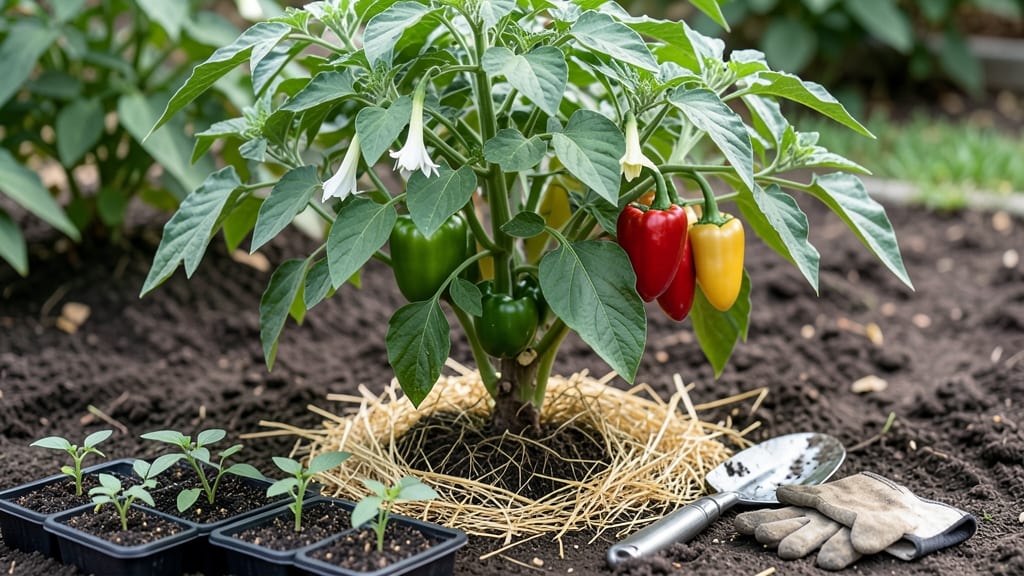
Planting bell peppers in California at the right time means the difference between a bountiful harvest and wilted plants before they even fruit.
California’s diverse climates—from coastal fog to desert heat—mean bell pepper planting dates vary wildly. Get the timing wrong, and your plants could bolt before fruiting. But with these microclimate-specific strategies, you’ll maximize yields and avoid common pitfalls.
Coastal gardeners in USDA Zone 10 can start seeds indoors as early as February, while inland valleys (Zones 9a-9b) should wait until March. Desert growers in Zones 9b-10a can begin in April, when soil temperatures hit 60°F or higher.
Below, I break down the exact planting windows for your region, whether to start seeds indoors or sow directly, and how to adjust for organic growing methods—so you can enjoy fresh 🌶️ peppers from June through October.
California bell pepper planting Zones: exact dates by microclimate (coastal, Central Valley, desert)
Bell peppers thrive in California’s warm climate, but planting timing varies drastically between coastal fog belts, Central Valley heat, and desert microclimates. Coastal areas like San Francisco can plant as early as February, while desert regions like Palm Springs wait until April to avoid heat stress.
The key is matching your last frost date with soil temperatures above 70°F for germination.
Most California gardeners fall into USDA zones 9-11, but even within these zones, microclimates create 30-60 day differences in ideal planting windows. For example, Sacramento’s Central Valley has a 100-day growing season for bell peppers, while Los Angeles coastal areas stretch that to 150 days.
This means transplanting dates shift by weeks—and getting it wrong can mean bolting plants or stunted fruit.
Soil temperature is more critical than air temperature for bell peppers. Seeds won’t germinate below 60°F, but transplants thrive best at 70°F+. Use a soil thermometer to confirm readiness—coastal gardeners often wait until late March even if air temps feel warm. In desert areas, April showers signal it’s time to plant, as they raise soil moisture without overheating the ground.
🌶️ California Bell Pepper Planting Guide by Microclimate
| Microclimate | USDA Zone | Last Frost Date | Ideal Planting Window | Soil Temp Requirement | Direct Sow vs Transplant |
|---|---|---|---|---|---|
| Coastal (San Francisco, Santa Barbara) | 10 | December 15 | February 15 - March 15 | 70°F+ (wait for fog lift) | Transplant after March 1 (soil warms) |
| Central Valley (Sacramento, Fresno) | 9a-9b | January 15 | March 15 - April 15 | 65°F+ (direct sow) | Direct sow March 20+ or transplant April 1 |
| Desert (Palm Springs, Joshua Tree) | 9b-10a | November 30 | April 15 - May 1 | 75°F+ (avoid summer heat) | Transplant only (direct sow fails) |
💡 Pro Tip: Coastal gardeners can start seeds indoors in January for transplanting by March, while desert growers should buy transplants to avoid summer bolting.
For coastal gardeners, the foggy mornings of February can delay soil warming, so transplanting after March 1 is safest. I’ve seen San Francisco gardeners use black plastic mulch to warm soil by 10°F and plant two weeks earlier—but only if night temps stay above 50°F.
Without this trick, March 15 is your hard cutoff for coastal planting.
In the Central Valley, where Sacramento’s heat arrives early, direct sowing in late March works if you use row covers for night protection. However, transplanting after April 1 gives peppers a longer fruiting window before summer heat stress.
I recommend staggering transplants every 2 weeks from April to June to extend harvests through October.
The desert presents unique challenges: April’s soil temps can hit 90°F+ by noon, but transplants still need 75°F+ to thrive. The solution? Plant in late afternoon when temps drop, use shade cloth for the first week, and water deeply at dusk.
Desert gardeners should avoid direct sowing entirely—seeds rot in the heat, and transplants from nurseries have a
How to extend your bell pepper growing season in California (cold protection & succession planting)
California’s coastal fog and inland heat can both threaten your bell pepper harvest. The key to success? Extending the growing season with smart tactics tailored to your microclimate.
For coastal gardeners, frost cloths and row covers add crucial protection, while desert growers need shade cloth and drip irrigation to beat the summer heat. These methods let you harvest peppers for weeks longer than the average gardener.
Succession planting is another game-changer. By staggering plantings every 2-3 weeks, you ensure a continuous supply of fresh peppers instead of one overwhelming harvest. This works especially well in USDA zones 9-10, where the growing season is long but not infinite.
Let’s break down the exact strategies for your region.
🌱 Key Strategies for Extending Your Bell Pepper Season
- 🌡️ Coastal Areas (Zones 10+): Use frost cloth (30% shade) from November to February to protect tender plants. Remove during the day for sunlight.
- ☀️ Desert Regions (Zones 9b-10a): Install 30-50% shade cloth in June-July to prevent heat stress. Pair with drip irrigation for consistent moisture.
- 📅 Succession Planting Schedule: Start seeds indoors 8-10 weeks before last frost, then transplant every 2 weeks until July (coastal) or August (desert).
- 🌿 Cold Protection Tips: Bury row covers stakes before planting to avoid disturbing roots. Secure edges with soil or bricks to prevent wind damage.
- 💧 Watering Hacks: Use mulch (straw or wood chips) to retain moisture. Water deeply in the morning to reduce evaporation and fungal risks.
For coastal gardeners, the biggest threat is late-winter frosts. A lightweight frost blanket (like Agribon) can protect plants down to 28°F, letting you start seeds as early as January.
In my own San Francisco garden, I’ve extended the season by 6-8 weeks using this method, harvesting peppers until December instead of October.
Desert growers face the opposite challenge: heat stress causes peppers to stop fruiting. Shade cloth isn’t just about temperature—it also reduces transpiration stress. I recommend 30% shade for early plantings and 50% shade by mid-summer.
Pair this with drip irrigation set to run for 20-30 minutes every morning to keep roots cool.
Succession planting is where the magic happens. Instead of one big harvest, you’ll have peppers ripening every 2-3 weeks. Here’s my exact schedule:
- First planting: February 15 (coastal) or March 1 (desert)
- Subsequent plantings: Every 2 weeks until July 1 (coastal) or August 15 (desert)
- Last harvest: December 1 (coastal) or October 15 (desert)
Don’t forget to prune your plants regularly to improve airflow and reduce disease risk. Remove lower leaves to keep foliage off the ground, and pinch off flower buds on young plants to encourage stronger stems.
With these tactics, you’ll turn your bell pepper harvest from a short burst into a season-long feast.