
Companion Plants
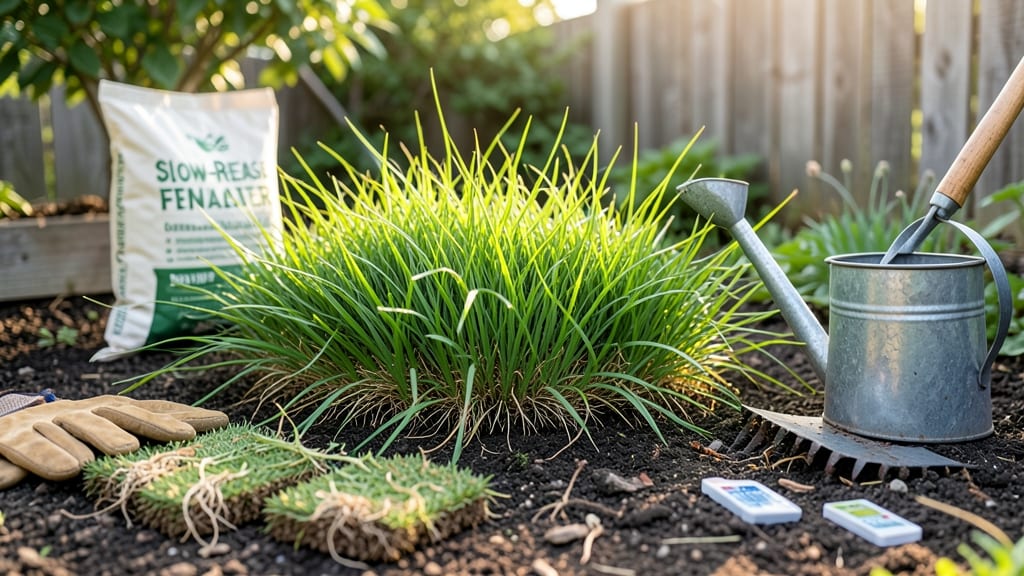
Planting Bermuda grass in California means timing it right to avoid frost surprises—even in zones 9a-11, where microclimates shift windows by weeks.
Picture this: you’ve prepped the soil, ordered the seed, and then—bam—a rare coastal fog drop sends temps into the 30s overnight. That’s why knowing your county’s frost-free window is the key to success.
From San Diego’s year-round warmth to Sacramento’s occasional chill, each region demands a different approach. This guide breaks down the exact months to plant, soil tricks for faster rooting, and how to cheat the system in high-desert areas.
You’ll learn how to stretch your planting window, spot the early signs of stress, and keep your lawn thriving through California’s wild swings—no replanting required.
California county-specific planting windows for Bermuda grass (avoid frost zones)
California’s microclimates create dramatic differences in bermuda grass planting success—what works in San Diego’s coastal warmth may fail in Sacramento’s valley chill. With USDA zones 9a-11 across the state, timing your planting to match soil temperatures (ideal: 65-75°F) and last-frost dates is critical.
Even "frost-free" zones like Palm Springs can experience rare cold snaps, while coastal fog zones may delay warm-up by weeks.
Most California gardeners focus on spring (March-May) or early fall (August-September) planting, but high-desert areas like Riverside can plant 2 weeks earlier than San Francisco’s Bay Area. The key? Check your local agricultural extension for historical frost data—even a single night below 32°F can kill newly sprouted seeds.
I’ll break down county-specific windows with soil temp targets and establishment timelines.
⚠️ Critical Note: Bermuda grass is warm-season turf—it goes dormant in winter. Planting too early in cooler valleys (like Napa) risks seed rot before germination. Always wait until soil temps consistently stay above 60°F for 10+ days.
🌱 California County Planting Windows for Bermuda Grass
| County | USDA Zone | Last Frost Date | Ideal Planting Window | Soil Temp for Germination | Establishment Time |
|---|---|---|---|---|---|
| San Diego | 10a-11 | None (rare coastal fog) | Feb 15 - May 15 Aug 1 - Sep 30 |
65-75°F | 4-6 weeks |
| Los Angeles | 9b-10a | Dec 15 (rare) | Mar 1 - May 10 Aug 15 - Sep 20 |
60-70°F | 5-7 weeks |
| Sacramento | 9a-9b | Jan 10 (avg) | Apr 1 - May 15 Aug 20 - Sep 10 |
65-75°F | 6-8 weeks |
| Fresno | 9b-10a | Dec 1 (rare) | Mar 15 - Apr 30 Aug 1 - Sep 15 |
60-70°F | 4-6 weeks |
| Riverside | 10a-10b | None (desert) | Feb 1 - Apr 15 Jul 15 - Sep 1 |
70-80°F | 3-5 weeks |
| San Francisco | 9b-10a | Dec 20 (coastal) | Apr 1 - May 10 Aug 15 - Sep 10 |
60-68°F | 7-9 weeks |
*Establishment time varies with irrigation and soil prep—tilled soil speeds germination by 1-2 weeks.
For coastal counties like San Diego and Los Angeles, I recommend early spring planting (February-March) to capitalize on consistent 65°F+ soil temps. The Pacific Ocean’s moderating effect means these areas can plant 2-3 weeks earlier than inland regions.
However, coastal fog can delay germination, so use a soil thermometer to confirm 60°F+ before seeding.
Inland valleys like Sacramento and Fresno face later
How to extend your Bermuda grass growing season in California’s high-desert and coastal regions
California’s microclimates create unique challenges for Bermuda grass growers. In high-desert areas like Death Valley or the Mojave, extreme heat and cold snaps demand protective strategies, while coastal regions like San Diego face foggy mornings and salty winds that stunt growth.
The key to success? Tailoring your approach to these environments without breaking the bank or overcomplicating your routine.
For high-desert lawns, shade cloth becomes your best friend during scorching afternoons, while coastal windbreaks shield young grass from salt-laden breezes. Meanwhile, soil warming techniques can jumpstart growth in cooler months, and choosing between seed vs. sod depends entirely on your timeline and budget.
Let’s break down how to hack California’s climate for a year-round green lawn.
-
1. High-Desert Shade Solutions
Use 30-50% shade cloth over new plantings during May-September to reduce soil temps by 10-15°F. Secure with UV-resistant stakes to prevent wind damage.
-
2. Coastal Wind Protection
Install bamboo windbreaks or plastic mesh barriers along exposed edges. For sod, lay landscape fabric first to block salt spray from nearby ocean.
-
3. Soil Warming Tricks
Spread black plastic mulch in February-March to raise soil temps by 5-8°F. Remove after 6 weeks to avoid overheating roots.
-
4. Late-Season Seed vs. Sod
For August-September plantings, sod wins (establishes in 2-3 weeks), while seed needs 6-8 weeks to germinate. Coastal areas favor sod due to fog delays.
In high-desert regions, where summer temps can hit 110°F+, I’ve found that drip irrigation paired with shade cloth extends the active growing season by 4-6 weeks. The secret? Watering before dawn to minimize evaporation and applying mulch around plants to retain moisture.
For coastal lawns, I recommend drought-resistant varieties like ‘Tifway 419’—they handle salty air and foggy mornings better than standard types.
When deciding between seed and sod, consider your planting timeline. Sod offers immediate coverage but costs 3-5x more than seed. If you’re planting in late summer, sod is your best bet—it establishes faster than seed, which struggles with cooler coastal temps or desert heat spikes.
For spring plantings, seed can save money and still thrive with proper care.
Don’t overlook soil preparation—especially in coastal areas where soil can be sandy and nutrient-poor. Amend with compost and organic matter before planting, and consider a slow-release fertilizer like 16-4-8 to give your grass a nutrient boost without burning young roots.
In high-desert zones, a light top-dressing of compost every 3 months helps retain moisture in poor soil.
Finally, mowing height matters—especially in coastal wind zones. Keep Bermuda grass at 1-1.5 inches to prevent wind damage and drought stress. In desert areas, taller mowing (2 inches) shades the soil and reduces water loss.
With these microclimate-specific tips, you’ll keep your lawn lush year-round—no matter where you are in California.