
Plants
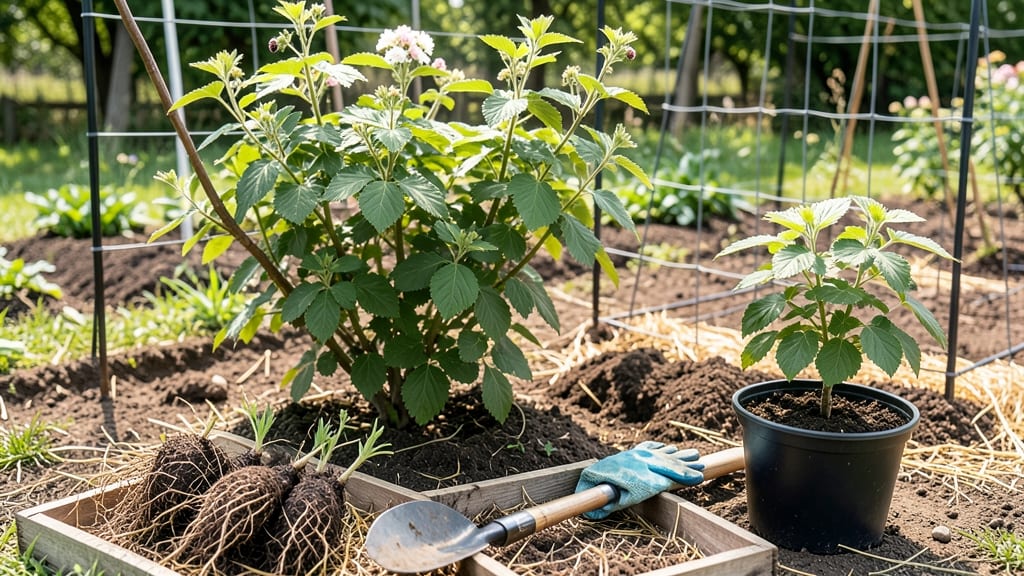
Planting blackberries in Tennessee at the right time means the difference between bursting bushes and wasted effort—and the best window opens sooner than you might think.
Tennessee’s diverse climate—from the humid Appalachian foothills to the hotter Mississippi Delta—can make blackberry planting tricky, but timing is everything for thriving bushes and sweet harvests.
Whether you’re in Nashville’s Zone 7a or the cooler Zone 6a of the Smokies, getting those canes in the ground just right ensures your 🫐 bushes thrive.
Fall planting (September–October) is ideal for Tennessee growers, letting roots establish before winter while avoiding the stress of summer heat. But spring (February–April) works too—just be ready to protect young plants from late frosts, which can creep in as late as mid-March in some areas.
Below, I’ll break down the exact planting windows for your region, how to prep soil for Tennessee’s heavy clay or sandy loam, and the one mistake that kills more blackberry bushes here than anything else.
Tennessee blackberry planting dates by chill-hour zones (2024 guide)
Tennessee’s chill-hour zones (400-1,000+ hours) dramatically impact when you should plant blackberries. Southern regions like Memphis (Zone 7b) need earlier planting than mountain areas like Gatlinburg (Zone 6a). Understanding these differences ensures your blackberries establish roots before summer heat arrives.
Most Tennessee gardeners plant blackberries in late winter to early spring (February-April) or fall (September-October). Fall planting is ideal for Zone 6a-7a areas, while spring planting suits Zone 7b regions. The key is avoiding extreme heat or frost during root establishment.
Here’s your chill-hour zone guide for planting blackberries in Tennessee, including variety recommendations and optimal planting windows:
| Chill-Hour Zone | USDA Zone | Best Planting Window | Recommended Varieties | Notes |
|---|---|---|---|---|
| 400-600 hrs | Zone 6a (e.g., Appalachian foothills) | Late August - October (fall) or March-April (spring) | 'Cheyenne', 'Navajo', 'Ouachita' | Cold-hardy; plant in fall for root establishment before winter. |
| 600-800 hrs | Zone 6b-7a (e.g., Nashville, Knoxville) | September-October (fall) or February-March (spring) | 'Apache', 'Arapaho', 'Natchez' | Moderate chill needs; avoid late spring planting after last frost. |
| 800-1,000+ hrs | Zone 7b (e.g., Memphis, Jackson) | January-February (bare-root) or September (container-grown) | 'Prime-Ark Freedom', 'Chester', 'Darrow' | Low-chill varieties; plant early to avoid summer stress. |
For Zone 6a gardeners, fall planting (late August-October) gives blackberries time to root before winter. In Zone 7b, early spring (January-February) planting avoids the brutal summer heat. Always check your last frost date—Nashville’s average is March 15, while Memphis’ is March 1.
If you’re in a transition zone (e.g., between 600-800 chill hours), opt for mid-season varieties like 'Arapaho' or 'Natchez'. These adapt better to Tennessee’s unpredictable spring weather and produce fruit reliably in both cool and warm microclimates.
Pro tip: Bare-root plants can handle earlier spring planting (as soon as soil is workable), while container-grown blackberries thrive when planted in fall. Always amend soil with compost and organic matter to improve drainage—blackberries hate soggy roots.
After planting, mulch with straw or wood chips to retain moisture and suppress weeds. This is especially critical in Tennessee’s hot, humid summers, where blackberries can suffer from root rot if soil stays too wet.
For urban gardeners in Nashville or Chattanooga, consider thornless varieties like 'Prime-Ark Freedom' or 'Chester'. These are easier to harvest and maintain in small spaces. Pair them with a trellis system to save space and improve airflow.
Remember: Blackberries need full sun (6-8+ hours daily) and well-draining soil. If your yard has clay-heavy soil, raise beds or mix in sand and compost before planting. This adjustment can mean the difference between thriving bushes and failed crops.
🌱
Microclimate adjustments: when to plant blackberries in Tennessee’s hot spots vs. mountain regions
Tennessee’s diverse microclimates can shift blackberry planting windows by 4-6 weeks depending on location. Nashville’s urban heat islands bake faster than the Appalachian foothills, while the Delta’s warmer zones offer extended growing seasons. Understanding these variations helps you avoid late frosts or heat stress on young canes.
In Nashville (Zone 7a-7b), where summer temps can hit 95°F+, plant blackberry canes in late February to early March to beat the heat. The city’s concrete jungle effect raises temps by 5-10°F compared to rural areas, so prioritize shade cloth and morning watering for new plants.
Mountain regions like the Great Smoky Mountains (Zone 6b-7a) have cooler microclimates with later last frosts (April 15). Here, fall planting (September-October) works best—canes establish roots before winter while avoiding spring frost risks. Choose cold-hardy varieties like Cheyenne or Navaho for these elevations.
The Delta’s warmer climate (Zone 7b-8a) lets you plant as early as January, but heat-tolerant varieties like Natchez thrive here. Use drip irrigation to prevent root rot from summer humidity, and install trellises to improve air circulation—critical for fungal diseases like anthracnose.
For mountain gardens, fall planting is ideal because cooler temps slow weed competition and give roots time to establish before winter. In Zone 6b, cover canes with straw mulch (6+ inches) to insulate against sub-zero temps.
Spring-planted canes may need row covers if late frosts hit after March 15.
Regardless of location, soil prep is non-negotiable. Tennessee’s clay-heavy soils drain poorly—amend with compost and sand to a depth of 12 inches. Test pH (5.5-6.5 is ideal) and add lime or sulfur as needed. Blackberries hate soggy roots, so raised beds work wonders in low-lying areas.