
Plants
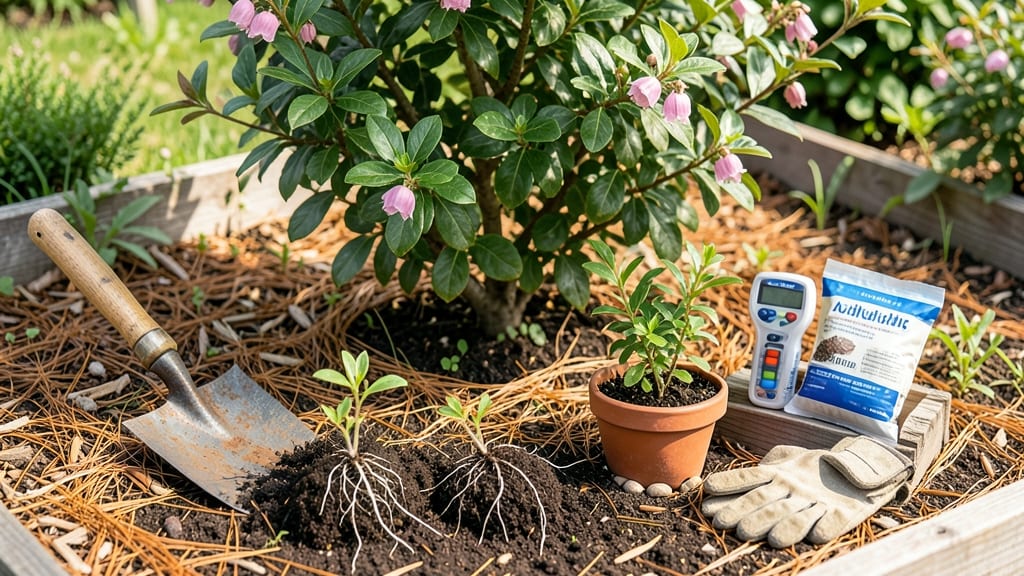
To plant blueberries in Wisconsin, aim for late April through early June after the last frost—this timing aligns with your USDA Zone 4a-5b climate and ensures strong root establishment before summer heat.
Wisconsin’s unpredictable climate can make or break your blueberry harvest—but planting at the right time ensures sweet, abundant berries for years. Timing isn’t just about the calendar; it’s about chill hours, frost risks, and soil readiness.
Most Wisconsin gardeners focus on spring planting, but fall (September–October) also works if you choose cold-hardy varieties like 'Patriot' or 'Bluecrop,' which thrive in your region’s chill-hour requirements.
Below, I’ll walk you through the exact steps to prep your soil, pick the best varieties for your zone, and avoid common pitfalls like late frosts or poor drainage that can ruin your first harvest.
Best planting months for Wisconsin blueberries based on chill-hour zones
Wisconsin’s blueberries thrive in USDA Zones 3–5, but their success hinges on chill hours—the number of hours below 45°F needed to trigger flowering. Most Wisconsin varieties require 600–900 chill hours, with northern regions needing the higher end.
Planting at the wrong time can delay fruiting or stress young shrubs, especially in Zone 3’s colder microclimates.
Your best planting windows are late April–early June (spring) or September–October (fall). Spring planting gives roots time to establish before winter, while fall planting allows roots to grow before dormancy.
However, Zone 4–5 gardeners often prefer spring to avoid early frost risks in September. Always check your local chill hours—Wisconsin’s range from 500 (southern) to 900+ (northern) hours.
How to verify your chill hours: Use the USDA Plant Hardiness Zone Map or tools like the Wisconsin State Climatology Office database. Enter your ZIP code to see your exact chill-hour range. For example, Madison (Zone 5a) averages 750–850 hours, while Eau Claire (Zone 4b) hits 850–950 hours. Match your variety’s needs to avoid poor flowering.
For spring planting, aim for April–May after the last frost date. In Zone 3, wait until late May to avoid late-spring frosts that can kill new growth.
In Zone 5, you can plant as early as April 1 if your soil thaws early. Fall planting (September–October) works best in Zone 4–5, giving roots time to establish before winter. Avoid planting in Zone 3 after September 15—roots may not harden off before frost.
Your soil’s readiness matters just as much as the calendar. Test your soil’s pH (4.5–5.5) and drainage before planting. Blueberries hate soggy roots, so amend heavy clay with compost or sand. In Zone 3, add 3–4 inches of mulch (pine bark or straw) to insulate roots.
In Zone 5, mulch helps retain moisture during summer droughts. Never skip soil prep—poor soil = stunted growth and fewer berries.
If you’re unsure about your local frost dates, use the NOAA Frost Calculator or contact your county extension office. For example, Milwaukee (Zone 5b) averages its last frost on April 25, while Minneapolis (Zone 4a) waits until May 10.
Planting too early risks frost damage to tender new shoots. Hardy varieties like ‘Patriot’ tolerate colder zones, but even they need the right timing.
Pro tip: Container planting extends your window in colder zones. Use 15–20 gallon pots with acidic potting mix and move containers to a sheltered spot in winter. This works well for Zone 3–4 gardeners who want blueberries but face short growing seasons.
Just ensure pots don’t freeze solid—wrap them in burlap or bubble wrap for extra protection.
Remember, blueberries are long-term investments. A well-planted shrub can produce for 20–25 years, but poor timing can shorten its lifespan. Whether you choose spring or fall, prioritize chill hours, soil prep, and frost dates.
With the right timing, you’ll enjoy juicy, homegrown blueberries for decades—no grocery store needed!
🫐
How to avoid frost damage: pre-planting checks for Wisconsin gardeners
Wisconsin’s late spring frosts can devastate young blueberry plants if you’re not prepared. Even after choosing the right planting window, a sudden 28°F dip can kill tender shoots. The key to success? Proactive frost risk assessment before you even dig your first hole.
Start by checking your local last frost date—but don’t rely on averages. Urban areas like Milwaukee often warm up faster than rural Northern Wisconsin, creating microclimates where frost lingers.
Use the NOAA Frost Calculator (available on their website) to input your ZIP code and get a 10-day forecast for your specific location.
⚠️ callout warning
❄️ Emergency Frost Hardening
If frost threatens within 72 hours of planting, harden your blueberries immediately:
- ✂️ Trim new growth by 1/3 to reduce vulnerability
- 💧 Water deeply the night before (hydrated plants survive better)
- 🌡️ Cover with frost cloth or row covers (secure edges!)
- ☀️ Remove covers by 10 AM to prevent overheating
Pro Tip: Avoid plastic sheets—they trap heat and can scorch leaves.
Next, test your soil temperature with a soil thermometer. Blueberries need soil at least 50°F to establish roots. In Northern Wisconsin, this often means waiting until mid-May, while Southern Wisconsin gardeners can plant as early as late April.
Pro tip: Dig a 6-inch hole and check the temperature at the planting depth—surface temps can be misleading.
Don’t overlook microclimate factors. A south-facing slope warms up faster than a low-lying area, while a wooded border can delay frost by 3–5 days.
If you’re in a frost-prone zone, consider planting near a stone wall or brick foundation, which absorbs heat during the day and radiates it at night. For container growers, move pots to a protected spot (like a garage or porch) if frost is forecasted.
For fall planting (September–October), focus on root establishment before the first frost. Choose a hardy variety like 'Patriot' or 'Jersey', which tolerate -20°F once established. Mulch heavily with straw or wood chips (4–6 inches) to insulate roots.
In USDA Zone 4a, this means planting by September 15 to give roots time to harden off.
Finally, monitor the National Weather Service alerts for your area. Sign up for local agricultural extensions (like UW-Madison’s) for frost watches. If you’ve planted too early and frost is imminent, water thoroughly the night before—wet soil holds heat longer and protects roots.
For extra insurance, use frost blankets or even old bedsheets draped over young plants (secure with bricks or stakes).