
Plants
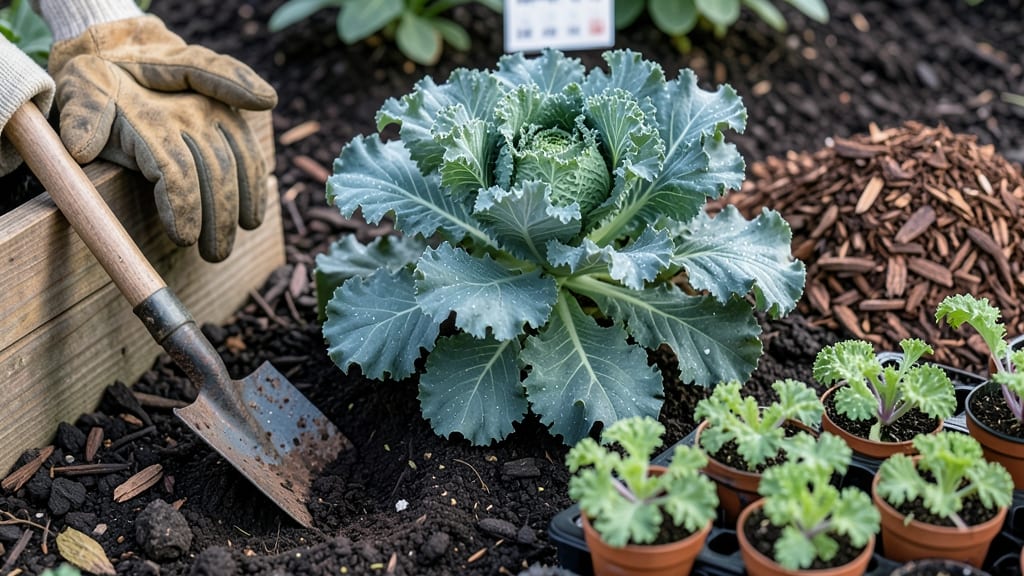
To plant brassicas in Wisconsin, aim for mid-March to early July in spring and late July to mid-August for fall harvests — timing that aligns with your USDA Zone 4b-5b frost dates.
Wisconsin gardeners know timing is everything when planting brassicas 🥬 — get it wrong, and you’ll face bitter bolts or stunted harvests. But with USDA Zones 3-5, frost dates vary wildly, making the perfect planting window a moving target.
Spring brassicas like kale and broccoli need 4-6 weeks before the last frost, while fall varieties (think Brussels sprouts) thrive when planted 8-10 weeks before the first frost. Southern Wisconsin’s milder climate buys extra days, but northern regions demand earlier starts.
Below, I break down the exact frost-free windows by zone, soil prep tips, and how to stretch your growing season with row covers — so you can avoid the most common mistakes and enjoy a full harvest.
Wisconsin brassica planting calendar by USDA Zone (3-5)
Brassicas like kale, cabbage, broccoli, and Brussels sprouts thrive in Wisconsin’s cool climate, but their planting windows are tight. In USDA Zones 3-5, frost dates shift dramatically from northern to southern regions, forcing gardeners to adjust timelines.
I’ve broken down the best planting periods for each variety, including early spring, late summer, and fall options tailored to your zone.
Northern Wisconsin (Zone 3) has a shorter growing season, while southern areas (Zone 5) can squeeze in extra plantings. The key? Avoid late spring frosts and plan for fall harvests before the first frost hits in mid-October.
Let’s dive into the exact dates and strategies to maximize your brassica yields.
For early spring plantings, I recommend starting seeds indoors 4-6 weeks before the average last frost date. In Zone 3, that’s around March 1, while Zone 5 gardeners can wait until mid-April.
Use grow lights or a sunny windowsill to prevent leggy seedlings. Harden off seedlings for 7-10 days before transplanting outdoors after the soil warms to 45°F.
Late summer plantings are perfect for fall harvests. Seed directly into the garden 8-10 weeks before the first frost—typically late July in Zone 3 and early August in Zone 5.
Choose heat-tolerant varieties like ‘Winterbor’ kale or ‘Waltham 29’ cabbage to handle Wisconsin’s summer heat. Mulch with straw or leaves to retain moisture and cool the soil.
Brassicas need well-draining soil with a pH of 6.0-7.0. Amend your garden beds with compost or aged
How to extend your brassica growing season in Wisconsin
Wisconsin’s short growing season can make brassicas like kale, broccoli, and cabbage a challenge, but with the right strategies, you can enjoy fresh harvests well beyond the typical summer window.
The key is protecting tender plants from late spring frosts and early fall chills—both of which can turn your garden into a sad, wilted mess.
I’ve learned that combining season extension tools with smart planting techniques can add 4-6 extra weeks to your growing season, sometimes even through light frosts.
Start by choosing heat-tolerant varieties like ‘Winterbor’ kale or ‘De Cicco’ broccoli, which handle Wisconsin’s hot summers and cool falls better than standard types. Pair these with succession planting—sowing seeds every 2-3 weeks from spring to early summer—to ensure a steady supply.
This way, when one batch matures, another is ready to take its place, keeping your kitchen stocked with homegrown goodness.
- 📅 Plant heat-tolerant varieties like ‘Winterbor’ kale or ‘De Cicco’ broccoli to survive Wisconsin’s hot summers and cool falls.
- 🛡️ Use row covers or low tunnels to protect seedlings from late spring frosts (down to 25°F).
- ⏳ Practice succession planting: sow seeds every 2-3 weeks from spring to early summer for a continuous harvest.
- 🔥 For fall crops, plant 8-10 weeks before first frost (typically late July to mid-August) and use cold frames to extend harvests into winter.
- 🌡️ Monitor soil temperatures—brassicas thrive in 50-70°F soil. Use black plastic mulch to warm soil faster in spring.
One of my favorite tricks is using row covers or low tunnels to shield young plants from late spring frosts, which can sneak in even after the official last frost date.
These simple tools create a 5-10°F warmer microclimate, allowing seedlings to establish stronger roots before facing Wisconsin’s unpredictable weather. I’ve seen broccoli and cabbage thrive under these covers even when temperatures dip to 25°F—just remove them during the day to prevent overheating.
For fall brassicas, timing is critical. Plant your last batch of seeds 8-10 weeks before your average first frost (usually late July to mid-August in Wisconsin). Pair this with a cold frame or unheated greenhouse to trap heat during the day and insulate against nighttime chills.
I’ve harvested kale and Brussels sprouts well into December using this method, even in USDA Zone 4. Just remember to ventilate on warm days to prevent fungal diseases like downy mildew.
Don’t overlook soil temperature—brassicas need 50-70°F soil to germinate properly. If your spring soil is still chilly, try black plastic mulch to warm it up faster. I’ve also had success with straw mulch in fall, which insulates roots and keeps the soil from freezing too quickly.
Pair this with compost-rich soil (aim for pH 6.0-7.0) to give your brassicas the nutrients they need to bounce back from Wisconsin’s temperature swings.
Finally, keep an eye on pest pressure during extended seasons. Cabbage worms and fleabeetles love brassicas, and their populations can explode when plants are stressed by cold. Use floating row covers early in the season, and introduce companion plants like dill or nasturtiums to deter pests naturally.
With these strategies, you’ll turn Wisconsin’s short season into a brassica bonanza—no bitter bolts in sight!