
Plants
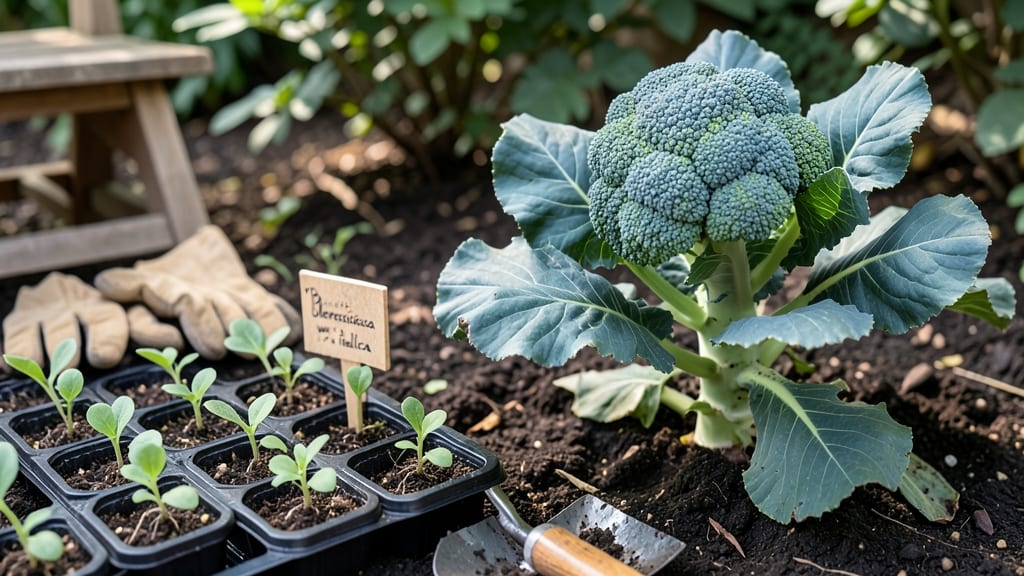
Planting broccoli in North Texas at the right time means the difference between a bountiful harvest and a sad, wilted pile of disappointment.
North Texas gardeners know timing is everything—plant broccoli too early, and frost will kill your crop; too late, and the summer heat will turn your plants bitter. Mastering the frost-free window in USDA Zone 8a ensures a thriving harvest, but most gardeners miss the optimal planting schedule.
For 🥦 broccoli to thrive, you’ve got two chances: late August through early September for a fall crop, or February to early March for spring. These windows align with soil temperatures that broccoli loves—cool enough to avoid bolting but warm enough to germinate quickly.
Below, I’ll break down the exact dates, soil prep tips, and how to stretch your harvest with succession planting—so you can enjoy fresh 🥦 broccoli from October through May without the guesswork.
Broccoli planting calendar for North Texas: exact dates by USDA Zone 8a
North Texas gardeners face a unique challenge with broccoli—our hot summers and unpredictable frosts demand precise timing. The key is planting during two distinct windows: late summer for fall harvests and early spring for spring harvests. Missing these windows risks bolting (premature flowering) or stunted growth from extreme heat.
Broccoli thrives in cool temperatures (50°F–75°F) but wilts under 90°F+ heat. In USDA Zone 8a, where average last frost is February 15 and first frost arrives November 15, timing is critical. Plant too early, and frost zaps seedlings; too late, and your plants bolt before forming heads.
| Planting Window | Optimal Dates (Zone 8a) | Key Considerations | Heat Tolerance Threshold |
|---|---|---|---|
| First Planting (Fall) | Late August – Early September | Harvest before first frost (Nov 15). Use heat-tolerant varieties like 'De Cicco' or 'Waltham 29'. | Max 85°F soil temp for 2 weeks |
| Second Planting (Spring) | February – Early March | Avoid planting after March 15 to prevent summer bolting. Start seeds indoors in January for transplants. | Max 80°F air temp for 1 week |
| Last Possible Planting (Risky) | Mid-March (only for shade-tolerant varieties) | Use shade cloth (30–50%) if planting after March 15. Expect smaller heads. | Max 75°F air temp for 3+ weeks |
For your fall crop, start seeds indoors 6–8 weeks before your target outdoor date (mid-July for late August planting). Harden off seedlings for 7–10 days before transplanting into well-draining soil with a pH of 6.0–7.0. Space plants 18–24 inches apart to prevent disease and competition.
Spring plantings require even more caution. February is ideal for direct sowing, but if you start indoors, begin by January 15 to ensure seedlings are ready by early March. Use black plastic mulch to warm soil faster and deter weeds, which is especially helpful in North Texas’ clay-heavy soils.
Monitor soil temperatures closely—broccoli seeds need 40°F–85°F to germinate. If soil stays above 85°F for more than 2 weeks, germination fails. Use a soil thermometer to track temps and adjust planting dates if needed.
Heat stress is the #1 enemy of North Texas broccoli. Once temperatures exceed 80°F for 3+ consecutive days, plants bolt (send up flowers instead of heads). To delay bolting, provide afternoon shade with floating row covers or plant in partial shade (4–6 hours of sun).
Varieties like 'Belstar' or 'Packman' tolerate heat slightly better than standard types.
Pro tip: Pair broccoli with companion plants like bush beans or dill to improve flavor and deter pests. Avoid planting near tomatoes or cabbage, which compete for nutrients and attract similar pests.
In North Texas, cabbage worms and aphids are major threats—use row covers or neem oil for organic control.
Harvest time arrives when heads are tight and dark green, typically 50–80 days after transplanting. Fall crops mature fastest (50–60 days), while spring crops take longer (60–80 days) due to cooler soils.
Cut heads with 5 inches of stem for regrowth of side shoots, extending your harvest by 2–3 weeks.
If you miss the ideal windows, don’t despair—succession planting can salvage your season. Sow every 2 weeks from late August through early October for a staggered fall harvest. Just be ready to cover seedlings if a light frost hits before November 15.
How to extend your broccoli harvest in North Texas using succession planting
Succession planting is your secret weapon for a continuous broccoli harvest in North Texas. Instead of planting all your seeds at once, stagger them every 2-3 weeks to ensure fresh heads appear throughout the growing season.
This method works especially well in USDA Zone 8a, where our mild winters and hot summers demand flexibility.
For North Texas, focus on two key windows: late August to early September for fall crops and February to early March for spring. Each planting should produce harvests spaced about 6-8 weeks apart, giving you fresh broccoli from October through May.
The trick is choosing heat-tolerant varieties like 'De Cicco' that won't bolt prematurely.
Here's how to plan your succession plantings for maximum success:
Start with Soil Prep
Test your soil pH (aim for 6.0-7.0) and amend with compost or aged manure. North Texas clay soil benefits from organic matter to improve drainage and fertility.
Choose Heat-Tolerant Varieties
Select 'De Cicco' or 'Waltham 29' for North Texas. These varieties handle 85°F+ temperatures better than standard types and produce smaller, more manageable heads.
Stagger Plantings Every 2-3 Weeks
For fall: Plant August 25, September 10, and September 25. For spring: Plant February 15, March 1, and March 15. This schedule ensures overlapping harvests.
Maintain Proper Spacing
Space seeds 18-24 inches apart in rows 24-30 inches apart. Overcrowding leads to poor air circulation and increased disease risk—common mistakes in North Texas gardens.
Water Consistently
Provide 1-1.5 inches of water weekly, focusing on the root zone. Use drip irrigation to avoid wetting leaves, which reduces fungal diseases like downy mildew in our humid summers.
Avoid these common mistakes that North Texas gardeners make: planting too close together, skipping soil amendments, or using non-heat-tolerant varieties. With succession planting, you'll enjoy fresh broccoli from your garden for months—no bitter surprises here!
Once your plants reach 6-8 inches tall, side-dress with compost tea or a light 10-10-10 fertilizer to encourage strong head formation. Harvest the main head first, then watch for side shoots that will produce 2-3 more harvests per plant.
🌱