
Plants
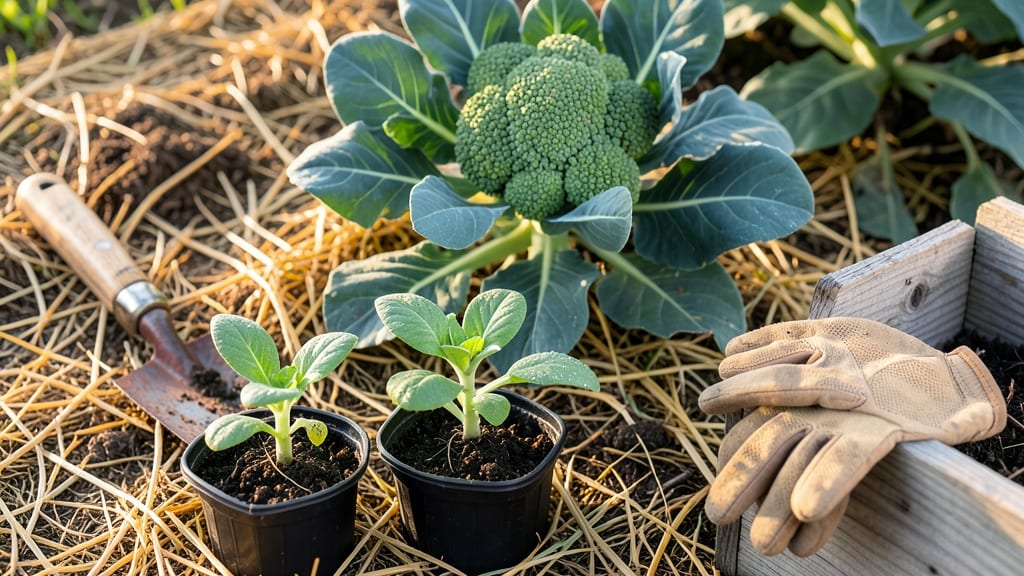
Planting broccoli in Zone 6b at the right time ensures a bountiful harvest—miss the window, and you risk bitter, bolted heads before they mature.
Broccoli thrives in cooler weather, but timing is everything. In Zone 6b, planting too early or too late can leave you with stunted growth or plants that bolt before producing edible florets.
Spring is the classic window—aim for March to April, about 4-6 weeks before your last frost date—but fall planting (August to early September) can extend your harvest into October.
Below, I break down the exact frost-free timeline, soil prep tips, and spacing tricks to maximize your yield—no guesswork, just proven results for Zone 6b gardens.
Optimal broccoli planting windows in Zone 6B: early vs late season strategies
Broccoli thrives in Zone 6B’s cooler seasons, but timing is everything. Plant too early, and frost can damage seedlings. Wait too long, and your plants may bolt from heat stress. My experience shows that spring and fall plantings both work—if you follow the right schedule.
For spring broccoli, aim for March to early April, while fall plantings should start in late July to early August.
Zone 6B’s last frost date typically falls around April 15, and the first frost arrives near October 15. These dates create a 165-day frost-free window, perfect for broccoli’s 70-day growth cycle.
Miss this window, and you risk heat stress or premature bolting—both of which ruin flavor and yield. Let’s break down the best planting strategies for each season.
Soil temperature is your secret weapon. Broccoli seeds germinate best when soil reaches 40°F to 85°F, but ideal germination occurs at 60°F to 70°F. In Zone 6B, this means waiting until mid-March for spring plantings and early August for fall. Use a soil thermometer to check—don’t guess!
Here’s the key difference between spring and fall plantings: Spring broccoli needs to mature before summer heat arrives, while fall broccoli must establish roots before early frosts. Both strategies rely on succession planting to stretch your harvest window. Let’s dive into the exact dates and methods to avoid common mistakes.
For spring plantings, start seeds indoors 6-8 weeks before your last frost date. In Zone 6B, that means mid-February. Harden off seedlings for 7-10 days before transplanting in March. Use row covers if late frosts linger—they protect young plants without overheating them.
Fall plantings require more precision. Begin seeds indoors 8-10 weeks before your first frost (mid-June for Zone 6B). Transplant outdoors by late July to ensure plants mature before cold snaps. Heat-tolerant varieties like ‘De Cicco’ or ‘Waltham 29’ handle summer’s last heat waves better than standard types.
Avoid these common mistakes: Planting too early in cold, wet soil causes rot, while planting too late risks bolting. Also, skip over-fertilizing with nitrogen—it promotes leafy growth over florets.
Instead, use a balanced 10-10-10 fertilizer sparingly. My pro tip: Mulch with straw to retain moisture and regulate soil temperature.
To maximize yield, stagger plantings every 2-3 weeks in both spring and fall. This succession planting strategy ensures a continuous harvest. For example, plant one batch in mid-March, another in late March, and a final batch in early April.
The same logic applies to fall: late July, early August, and mid-August plantings.
Watch for heat stress signs like yellowing leaves or stunted growth. If temperatures exceed 85°F, provide afternoon shade with shade cloth or move containers to partial shade.
For fall plantings, use row covers to extend the season by 2-3 weeks before the first frost. These simple adjustments can add weeks to your harvest window.
Finally, always harvest broccoli when the main head reaches 6-8 inches and buds are tight. Cut the stem at a 45-degree angle, leaving 6 inches of stalk—side shoots will regrow for a second harvest.
With the right timing, Zone 6B gardeners can enjoy two full broccoli harvests per year!
How to extend broccoli’s growing season in Zone 6B: cold frames, row covers, and succession planting
Zone 6B’s short growing season (about 165 frost-free days) doesn’t have to limit your broccoli harvests. With the right techniques, you can push harvests earlier or later by 3-4 weeks, ensuring fresh florets from spring through fall.
The key? Low-tech season extenders like row covers, cold frames, and smart succession planting.
Cold frames are my go-to for spring starts—they trap heat from the sun and can raise soil temps by 10-15°F, letting you plant broccoli 4-6 weeks earlier than usual.
For fall, floating row covers protect tender plants from early frosts, extending harvests into October or even November in sheltered spots.
Succession planting is another game-changer. Instead of one big batch, I plant small groups every 2 weeks from March to early September. This ensures a continuous supply of fresh broccoli, even if the weather turns unpredictable.
🌱 3 Proven Techniques to Extend Broccoli’s Season in Zone 6B
- Cold Frames: Start seedlings 6 weeks early (late February) for earlier transplants and harvests.
- Row Covers: Use floating fabric to protect plants from light frosts (28-30°F) and extend fall harvests by 4 weeks.
- Succession Planting: Sow small batches every 2 weeks from March to August for continuous harvests.
For high-tunnel setups, broccoli thrives under 30% shade cloth during summer’s heat. This prevents bolting and keeps plants productive even when temps hit 85°F+. I’ve seen 30-40% yield increases using this method in Zone 6B.
Don’t overlook soil prep—amend beds with compost and aged manure before planting. Broccoli is heavy-feeder, and nutrient-rich soil helps it recover faster from cold snaps. Mulch with straw or shredded leaves to insulate roots and retain moisture.
With these techniques, you’ll enjoy fresh broccoli from May through November—no bitter florets or wasted effort. Start small, experiment with one method this year, and scale up as you see what works best for your microclimate. Happy growing! 🥦