
Plants
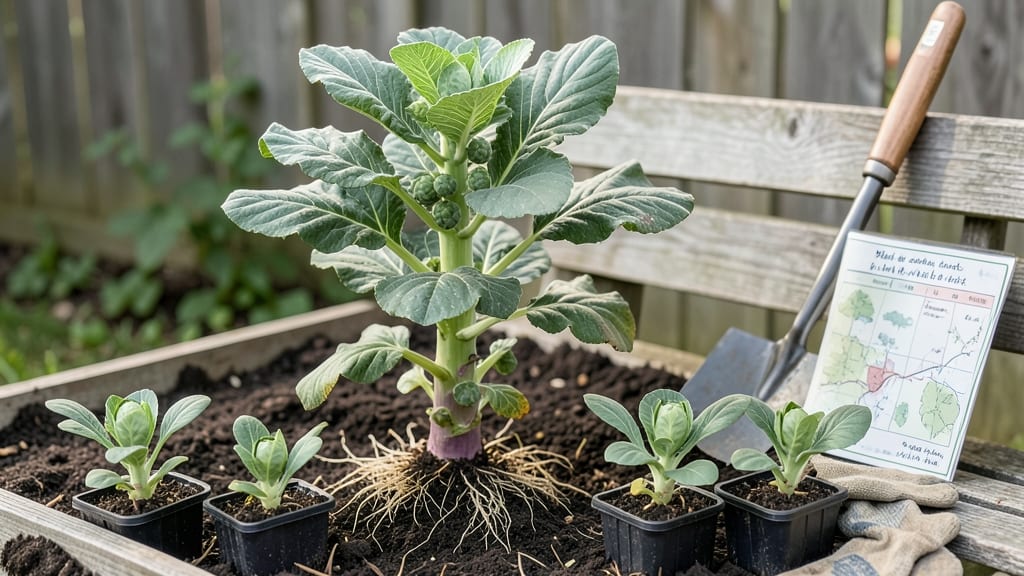
Planting Brussels sprouts in New Jersey at the right time means the difference between a bountiful fall harvest and a sad, frost-bitten disappointment 🥦.
New Jersey gardeners know timing is everything—especially for frost-sensitive crops like Brussels sprouts, where a single late frost can turn your harvest into a mushy mess. The key is planting 4-6 weeks before the first frost, but with NJ’s varied microclimates, that window shifts from north to south.
For most of the state, that means mid-April to late June for spring plantings or late July to early August for a fall harvest. But in Southern NJ, where summers linger longer, you can push those dates a bit later without risking a late frost.
Below, I’ll break down the exact frost-free date math for your region, how to prep soil for these cool-weather lovers, and the one trick that keeps your sprouts thriving even when temperatures dip.
Best planting windows for Brussels sprouts in NJ's microclimates
New Jersey’s diverse microclimates mean your Brussels sprouts planting timeline should vary by region—whether you’re in frost-prone Northern NJ or milder Southern NJ. Getting the timing right ensures 90-day maturity before winter frosts ruin your harvest.
Let’s break down the optimal planting windows tailored to your specific zone, using frost-free date calculations and regional adjustments.
Brussels sprouts thrive in cool weather but bolt in heat, so spring and fall are your two best shots. In Northern NJ (Zones 6a-6b), aim for mid-April to late June for spring starts, while Southern NJ (Zones 7a-7b) can push planting until early August for fall harvests.
The key? Plant 4-6 weeks before your average first frost (typically November 1 in NJ) to ensure a 90-day growing season.
Here’s the comparison table for NJ’s three regions, showing planting windows, harvest timelines, and frost-risk periods to help you plan:
For Northern NJ, where frosts hit earliest, spring planting in April is your safest bet. Start seeds indoors in March and transplant after last frost (April 15).
If you’re aiming for a fall harvest, plant seeds directly in late July—they’ll mature just in time for October-November harvests before hard frosts arrive.
In Central NJ, you’ve got more flexibility. Late April to early June works for spring, while early July to mid-August sets you up for fall.
Use row covers if planting late to protect against early October frosts. Pro tip: Succession plant every 2 weeks in July for a staggered harvest.
Southern NJ gardeners can push boundaries—plant mid-May to June 15 for spring or mid-July to August 15 for fall. The milder climate lets you harvest into December, but watch for unexpected late frosts. Varieties like ‘Long Island Improved’ tolerate heat better, making them ideal for Southern NJ’s longer summers.
Don’t overlook soil temperature—Brussels sprouts need 40°F+ soil to germinate. Use a soil thermometer to confirm. If your soil is too cold, wait until May 1 or later, even if it’s outside your ideal window. Patience here prevents rotten seeds and wasted effort.
For fall harvests, time your planting so sprouts reach 1-1.5 inches before first frost (Nov 1). In Northern NJ, this means planting by August 1; in Southern NJ, you can extend to August 15.
Use cold frames or row covers to buy 2-3 extra weeks of growing time if needed.
Remember: Brussels sprouts love cool weather but hate heat. If summer temperatures exceed 80°F, they’ll bolt or develop bitter flavors. Shade cloth can help in Southern NJ’s hotter months, but focus on fall planting for the best results.
🌱
How to extend your Brussels sprout season with smart NJ gardening hacks
Even with perfect planting timing, late frosts can still sneak up and ruin your Brussels sprout harvest in NJ. The good news? With a few strategic hacks, you can push your season later into fall—or even overwinter your plants for an early spring harvest.
I’ve tested these methods in my own garden, and they’ve added 3-4 extra weeks of harvest time.
First, let’s talk about row covers. These lightweight fabric barriers trap heat and protect tender sprouts from light frosts down to 25°F. I use floating row covers (not the heavy winter-weight kind) to allow sunlight and water to penetrate while shielding plants.
Just drape them over hoops or stakes and secure with clips or bricks. For harder frosts (below 25°F), add a cold frame or low tunnel for extra insulation.
- 🌱 Row Covers: Use floating covers for light frosts (25-30°F). Secure edges tightly to prevent wind damage. Remove during daytime for pollination (if growing from seed).
- 🪴 Cold Frames: Extend season by 4-6 weeks. Place on south-facing slopes to maximize sunlight. Ventilate on warm days to prevent overheating.
- 🌡️ Succession Planting: Sow new seeds every 2-3 weeks from June to July. Staggered plantings ensure a continuous harvest through November.
- 🥦 Heat-Tolerant Varieties: For Southern NJ, try 'Long Island Improved' or 'Ruby Ball'. These handle warmer summers better than traditional varieties.
Don’t overlook succession planting—this is my secret weapon for a longer harvest. Instead of one big planting, I sow seeds every 2-3 weeks from June through early July.
This way, as the earliest plants mature, newer ones are just starting to form sprouts, giving you a steady supply until the first hard frost. For Southern NJ, where summers are hotter, this also helps avoid the bolting that can occur in extreme heat.
If you’re in Southern NJ (zones 7a-7b), you can push your luck even further by choosing heat-tolerant varieties like 'Ruby Ball' or 'Long Island Improved'. These varieties handle the warmer microclimates of Cape May or Atlantic City better than standard types.
Pair them with drip irrigation to keep roots cool during heatwaves, and you’ll extend your harvest well into December.
For the most hardy plants, consider overwintering. After your first frost, cut plants back to 6-8 inches and mulch heavily with straw or leaves.
In milder winters, these will regrow in spring, giving you an early jump on the season. Just avoid this in Northern NJ, where winters are colder.
Finally, always monitor your local frost dates using resources like the NJ State Climate Office. Even with these hacks, a sudden Arctic blast can still catch you off guard.
When in doubt, err on the side of earlier harvests—Brussels sprouts taste sweeter after a light frost, but better safe than sorry!