
Plants
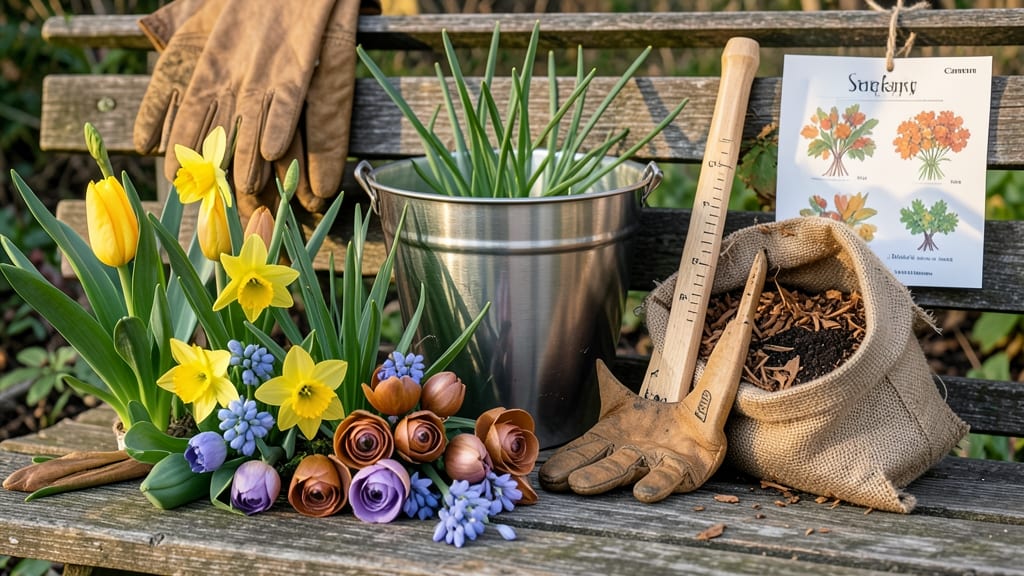
Planting bulbs in South Carolina at the right time ensures vibrant spring blooms 🌷—and missing the window means soggy soil or weak growth.
Here’s the catch: South Carolina’s mild winters and humid summers mean bulbs like daffodils and tulips need to be in the ground 6-8 weeks before the first frost, typically by late September or early October.
Plant too early, and they’ll rot; too late, and you’ll miss the growing season entirely.
This guide breaks down the perfect timing for spring-, summer-, and fall-flowering bulbs, plus soil prep tips and regional tweaks for coastal vs. Piedmont zones. No more guesswork—just perfect blooms year after year.
Discover when to plant, how deep to bury them, and the one trick that keeps your bulbs thriving in SC’s heat and humidity. Let’s get started.
Best months to plant bulbs in South Carolina by type
South Carolina’s USDA zones 7b-8a offer a unique climate where spring, summer, and fall bulbs can thrive with the right timing. Unlike colder regions, our mild winters and hot summers mean bulbs need precise planting windows to avoid rotting or missing blooms.
Let’s break down the best months for each type so you can enjoy vibrant tulips in April or dahlias by July.
The key to success is planting when soil temperatures drop below 60°F but before the first hard frost—typically mid-October in most of SC. Coastal areas like Charleston have slightly longer windows, while the Upstate may need to plant earlier.
Always check your local frost dates and adjust accordingly for optimal bulb growth.
Soil moisture is another critical factor. Heavy clay soils in SC can cause bulbs to rot if overwatered, while sandy soils may dry out too quickly. Aim for well-draining soil with a slightly acidic pH (6.0-7.0). Amend your soil with compost or organic matter before planting to improve drainage and fertility.
For spring-blooming bulbs like tulips and daffodils, aim to plant between September and October. This gives roots time to establish before winter while avoiding the humidity and heat of late summer.
In Zone 8a, you can push planting to early November, but avoid planting after the first frost—bulbs need 6–8 weeks of root growth before cold sets in.
Summer-blooming bulbs, such as dahlias and cannas, should wait until March or April when soil temperatures rise above 60°F. These bulbs thrive in heat but need protection from late frosts. If you’re in the coastal plain, you might plant as early as February, while the Upstate may need to wait until April.
Fall-blooming bulbs like crocuses and autumn daffodils are perfect for SC’s mild winters. Plant them in October or November to ensure they bloom before the first frost. These bulbs often naturalize quickly, creating stunning early-season color in your garden.
If you’re growing winter-blooming bulbs like amaryllis or paperwhites, plant them in September or October indoors to force blooms for the holidays. These bulbs don’t tolerate SC’s outdoor winters well, so container growing is ideal. Keep them in a bright, cool spot (60–65°F) until buds form.
One of my favorite tricks for SC gardeners is to plant spring bulbs in layers. Start with tulips (deepest, 8 inches), then add daffodils (6 inches), and top with crocuses (3 inches). This maximizes space and ensures sequential blooms from early spring to fall.
Always mulch bulbs after planting with 2–3 inches of organic mulch (like pine straw or shredded leaves) to protect them from temperature swings and moisture loss. In Zone 7b, a thicker mulch (4 inches) may be needed for extra insulation during cold snaps.
Finally, remember that soil drainage is non-negotiable in SC. If your garden has heavy clay, amend the soil with sand or compost to prevent bulb rot. Raised beds are another great option for improving drainage and extending your planting season.
South Carolina-specific tips for bulb planting success
South Carolina’s humid summers and heavy clay soil can turn bulb planting into a challenge if you’re not prepared. Unlike northern states, our mild winters mean bulbs need extra care to avoid rot or frost damage.
The key? Adjusting planting depth, soil prep, and variety choices for your specific region—whether you’re in the coastal lowcountry or the Piedmont uplands.
First, let’s tackle the biggest enemy of SC bulbs: excess moisture. Heavy clay holds water like a sponge, suffocating bulbs and causing rot. Amending your soil with organic matter (like compost or sand) is non-negotiable.
Aim for a 6-inch-deep planting bed with improved drainage. For coastal areas, where salt spray can linger, flush the soil with fresh water after planting to remove any residual salt.
🌱
⚠️ Critical SC Planting Warning
Don’t plant bulbs in August or after October—this is the rot risk zone in SC’s heat and humidity. For coastal zones (7b-8a), aim for late September to avoid late frosts. In the Piedmont (8a), early October works best. Test soil temperature—it should be below 60°F for spring bulbs to root properly.
Next, choose bulbs that thrive in your microclimate. Coastal gardeners should opt for salt-tolerant varieties like dwarf daffodils or rain lilies, while Piedmont gardeners can handle taller tulips and alliums.
For both regions, avoid hybrid tulips—they’re prone to tulip fire disease in our humidity. Instead, plant Darwin hybrid tulips or species tulips, which are more resilient.
Protecting bulbs from late frosts is another SC-specific hurdle. Even in Zone 8a, temperatures can dip into the 20s°F in February. Use mulch (3-4 inches of straw or pine needles) after planting to insulate bulbs.
For high-value collections, consider frost blankets during unexpected cold snaps. Remember: Never mulch too early—wait until after the ground cools in late fall.
Finally, watering strategy makes all the difference. After planting, give bulbs a deep soak to settle the soil, then reduce watering until active growth begins in spring. Overwatering in winter leads to bulb rot.
Once shoots emerge, maintain consistent moisture but avoid soggy soil. A drip irrigation system set on a timer is ideal for hands-off care.
With these SC-specific tweaks, your bulbs will bloom bigger and stronger than ever—no more soggy soil or frost damage! The secret? Prep your soil, time your planting, and choose the right varieties for your region. Happy gardening!
🌷