
Plants
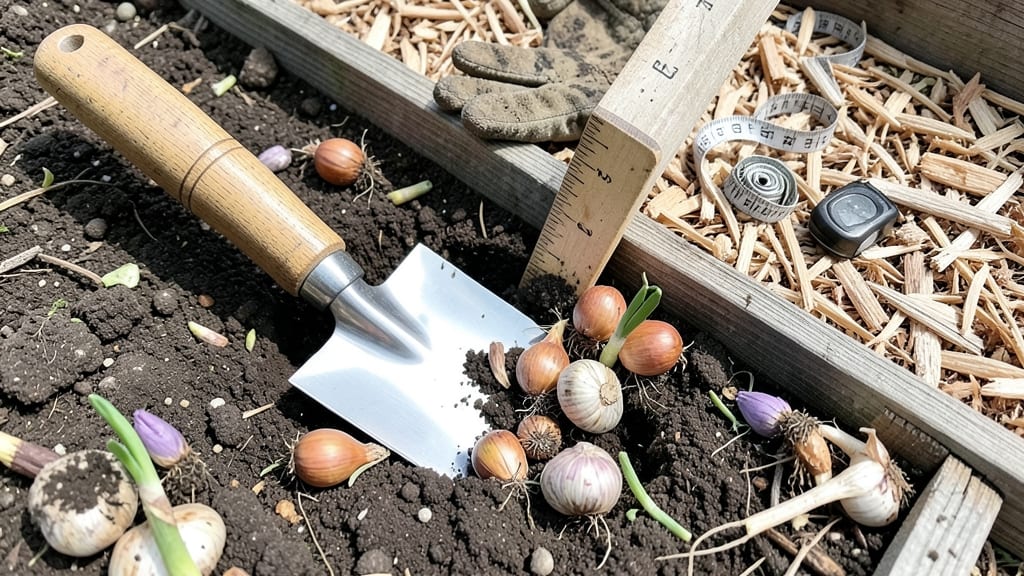
To plant bulbs in Zone 5b, aim for September through mid-November—six to eight weeks before the ground freezes, when soil temps dip into the 50s°F.
Zone 5B gardeners know timing is everything—plant bulbs too early, and they’ll rot; too late, and they’ll miss critical chill hours for vibrant blooms next spring. The frost-date formula (October 15–November 15) is your guide, but soil temperature and bulb type tweak the exact window.
Why does this matter? Spring bulbs 🌷 like tulips and daffodils need 800–1,200 hours below 45°F to bloom properly. Planting in the right window ensures they get enough cold while avoiding soggy soil or missed growth cycles.
Below, I’ll break down the ideal planting months for each bulb type, how to prep your soil, and the 3 mistakes that kill even the hardiest bulbs—so you can set yours up for a showstopping spring display.
Zone 5B frost-date formula: the exact months to plant spring bulbs
In Zone 5B, timing your spring bulb planting to the frost-date formula is the secret to vibrant blooms. The average first frost arrives between October 15–November 15, while the last frost typically occurs April 15–May 15.
Planting too early risks rot, while waiting too long may mean missing critical chill hours for strong root development. Let’s break down the exact windows for fall planting and spring adjustments.
Most spring-flowering bulbs (like tulips, daffodils, and crocuses) need 6–8 weeks before the ground freezes to establish roots.
This translates to a planting window from mid-September to mid-November in Zone 5B. For example, if your first frost is November 1, aim to finish planting by early October. Use this as your baseline, then adjust based on your local microclimate.
Here’s your Zone 5B frost-date formula for perfect bulb planting:
| Bulb Type | Ideal Planting Window | Depth | Spacing | Notes |
|---|---|---|---|---|
| Tulips | Mid-September–October 15 | 6–8 inches | 4–6 inches apart | Needs chill hours; plant early |
| Daffodils | October–November 1 | 6–8 inches | 4–6 inches apart | Deer-resistant; tolerates late planting |
| Crocuses | September–October 15 | 3–4 inches | 3–4 inches apart | Early bloomers; plant shallow |
| Hyacinths | October–November 1 | 6–8 inches | 6 inches apart | Fragrant; needs well-draining soil |
| Alliums | September–October 15 | 6–8 inches | 8–12 inches apart | Drought-tolerant; great for borders |
For spring planting (e.g., late-blooming tulips or grape hyacinths), wait until after the last frost date (typically mid-April to mid-May in Zone 5B). These bulbs are more forgiving but still need 4–6 weeks of warm soil to root before winter.
Use a soil thermometer to confirm the ground is at least 50°F before planting.
Adjust your planting window using this frost-date calculator trick: Subtract 6–8 weeks from your average first frost date. For example, if frost hits November 1, plant by mid-September.
Check your local Almanac frost dates or use the National Weather Service for precise adjustments. In Zone 5B, early October is often the sweet spot for most bulbs.
Pro tip: Plant crocuses and snowdrops in September for early spring color. These hardy bulbs thrive with early planting and can even bloom through light snow. For tulips, prioritize early October to ensure they get enough chill hours (typically 800–1,200 hours below 45°F in Zone 5B).
If you’re unsure about your local frost dates, dig a test hole in your garden. When the soil at 4 inches deep feels cool but not frozen, it’s time to start planting. For container-grown bulbs, use the same timing but plant in well-draining
Chill-hour requirements by bulb type: how cold do they really need?
Not all bulbs need the same amount of winter chill to bloom beautifully in spring. Zone 5B typically offers 800–1,200 chill hours (temperatures below 45°F), but some varieties thrive with less while others demand more. Understanding these chill-hour needs ensures your bulbs won’t skip flowering next season.
Bulbs like tulips and hyacinths love Zone 5B’s chill, but daffodils and alliums can handle fewer hours. Meanwhile, snowdrops and crocuses are low-chill champions, blooming even with minimal winter cold. Let’s break down the specifics so you can pick the perfect bulbs for your garden.
📊 Comparison Table: Chill-Hour Needs by Bulb Type
| Bulb Type | Chill-Hour Needs | Zone 5B Fit | Planting Tip |
|---|---|---|---|
| Tulips | 900–1,200 hours | Perfect fit | Plant in October for ideal chill. |
| Daffodils | 600–900 hours | Thrive with less chill | Can plant as early as September. |
| Hyacinths | 1,000–1,500 hours | Needs extra cold | Plant late October for max chill. |
| Alliums | 300–600 hours | Low-chill adaptable | Plant in September or November. |
| Crocuses | 300–500 hours | Early bloomers | Plant late August–September. |
| Snowdrops | 200–400 hours | Winter warriors | Plant September–October. |
| Fritillaries | 1,200–1,500 hours | High-chill lovers | Plant October–November. |
| Grape Hyacinths | 600–900 hours | Flexible timing | Plant September–October. |
If you’re planting outside the ideal window—say, November instead of October—you might need to supplement chill hours. Store bulbs in a cool garage or unheated basement (around 35–40°F) for 4–6 weeks before planting to mimic winter chill.
This trick works wonders for hyacinths and fritillaries that crave extra cold.
For Zone 5B gardeners, prioritize bulbs like tulips, daffodils, and alliums for reliable blooms. These varieties align perfectly with your region’s natural chill, while snowdrops and crocuses offer early spring color with minimal fuss.
Experiment with a few high-chill bulbs like fritillaries if you’re willing to add a chill-boosting step!
Pro tip: Group bulbs by chill needs in your garden beds. Place high-chill varieties (like hyacinths) in the shadiest spots where they’ll stay cooler longer, while low-chill types (like alliums) can bask in sunnier areas. This simple strategy maximizes your blooms without extra work.
🌱