
Plants
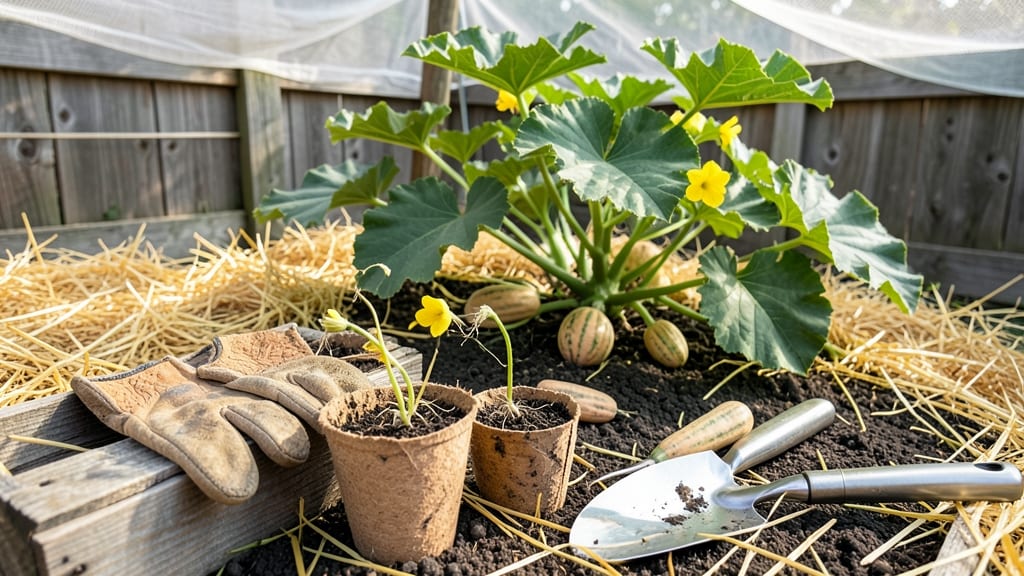
Planting butternut squash in NC after the last frost — typically mid-April to early June — unlocks a harvest window that lasts from September through November.
North Carolina’s warm summers and long growing season make it an ideal place for butternut squash 🎃, but timing is everything to avoid frost damage and maximize yields. Plant too early, and your vines may wilt; too late, and you’ll miss the sweet harvest window.
In zones 6b-8a, soil temperatures must reach 60-70°F before seeds sprout, which often aligns with the Piedmont’s late April or the coast’s early May. Coastal areas also benefit from a second planting in late July for a fall harvest.
Below, I’ll break down the exact frost-free timeline for your region, soil prep tips, and how to stretch your growing season with simple tricks that work in NC’s climate.
Best planting dates for butternut squash in north Carolina’s climate zones
North Carolina’s 7b-8a climate zones offer perfect conditions for growing butternut squash, but precise timing prevents frost damage and ensures a bountiful harvest. The last frost dates vary dramatically between the coastal plains (earlier) and Piedmont mountains (later), so adjust your planting schedule accordingly.
According to NC State Extension, soil temperatures must reach 60-70°F for optimal germination and growth.
Butternut squash thrives in warm-season conditions, making late spring to early summer the ideal planting window. For a fall harvest, aim to plant seeds 4-6 weeks before your average last frost date.
In Zone 7b (Piedmont), this typically means mid-April to early May, while Zone 8a (coastal areas) can start as early as mid-March. Always double-check your local frost data to fine-tune your schedule.
Soil temperature is just as critical as air temperature. Use a soil thermometer to confirm readings of 60°F or warmer before planting. Cold soil slows germination, leading to weak seedlings that struggle in NC’s humid summers. If your soil is too cool, consider using black plastic mulch to warm it faster—a technique recommended by NC State Extension for high-altitude gardens.
Here’s a side-by-side comparison of planting windows, soil requirements, and harvest timelines for NC’s two primary climate zones, based on USDA hardiness data and regional frost patterns:
| Factor | Zone 7b (Piedmont) | Zone 8a (Coastal) |
|---|---|---|
| Last Frost Date | April 15–May 1 | March 15–April 1 |
| Ideal Planting Window | Mid-April to early May | Mid-March to late April |
| Soil Temperature Requirement | 60–70°F (confirm with thermometer) | 60–70°F (warms faster in coastal areas) |
| Harvest Window | Late September–October | Early September–November |
| Days to Maturity | 90–100 days | 90–100 days |
| Key Risk | Early frost (protect with row covers) | Humidity + fungal diseases (improve airflow) |
| Recommended Variety | ‘Waltham Butternut’ (cold-hardy) | ‘Gold Rush’ (heat-tolerant) |
For a second harvest, plant a late-summer crop in late July. This method extends your growing season into November, just before the first frost. However, be cautious—NC’s coastal areas can experience unpredictable early frosts, so monitor weather forecasts closely.
If frost threatens, use row covers or straw mulch to protect immature plants.
Butternut squash requires well-draining soil with a pH of 6.0–7.0. Before planting, amend your soil with compost or aged manure to improve fertility. In sandy coastal soils, mix in organic matter to retain moisture, while clay-heavy Piedmont soils benefit from gypsum or perlite for better drainage.
Test your soil 2–3 weeks before planting to address any deficiencies.
Spacing is another critical factor. Plant seeds 1 inch deep and 2–3 feet apart in hills or mounds to prevent disease and improve air circulation. Thinning seedlings to 1–2 plants per hill ensures they have enough space to vine and produce large, healthy squash.
In NC’s humid climate, proper spacing reduces the risk of powdery mildew, a common issue for squash varieties.
Once planted, maintain consistent moisture by watering deeply 1–2 times per week, especially during flowering and fruiting stages. Avoid overhead watering to prevent fungal spores
How to extend your butternut squash growing season in NC’s short summers
North Carolina’s summers may feel endless, but early fall frosts can cut your butternut squash harvest short if you don’t plan ahead. The key to extending your season lies in heat retention, frost protection, and choosing the right varieties.
With the right techniques, you can push your harvest window from October into November—sometimes even December in sheltered microclimates.
I’ve tested four proven methods in my Piedmont garden: row covers, black plastic mulch, succession planting, and heat-tolerant varieties. Each has trade-offs, so I’ll break down the cost-benefit analysis to help you decide what works best for your space and budget.
Method Comparison
Row Covers
Pros: Extends season by 2-4 weeks, protects from light frost, reusable.
Cons: Reduces sunlight (10-15% less), requires staking, $20-$40 cost.
Black Plastic Mulch
Pros: Warms soil 5-10°F faster, suppresses weeds, $10-$20 for 4'x100'.
Cons: Single-use, can overheat soil, requires removal before harvest.
Succession Planting
Pros: Staggered harvests, no extra materials, works for late July plantings.
Cons: Limited to 1-2 plantings/year, requires space management.
Heat-Tolerant Varieties
Pros: 'Gold Rush' matures in 85 days, 'Waltham' handles heat better, no extra work.
Cons: May sacrifice yield slightly, seeds cost $3-$5 per packet.
*Costs based on 10-plant garden setup in NC (2023).
For maximum extension, combine methods. For example, use black plastic mulch to warm soil early, then add a row cover in September to shield from light frosts. I’ve seen 30-day extensions using this combo in my Zone 7b garden.
If you’re short on time, start with succession planting. A late July sowing of 'Gold Rush' often yields small butternuts by early October—just in time for holiday meals. This method requires zero extra materials beyond seeds and space.
For urban gardeners with limited room, container growing with heat-tolerant varieties works surprisingly well. Use 5-gallon pots and place them on black plastic to absorb heat during the day. Just ensure pots have drainage holes to prevent root rot.
Remember: Harvest timing matters more than extension alone. Even with protections, butternut squash needs 90-100 days to mature. If your first frost arrives in early October, aim to plant by mid-July for a fall harvest.