
Companion Plants
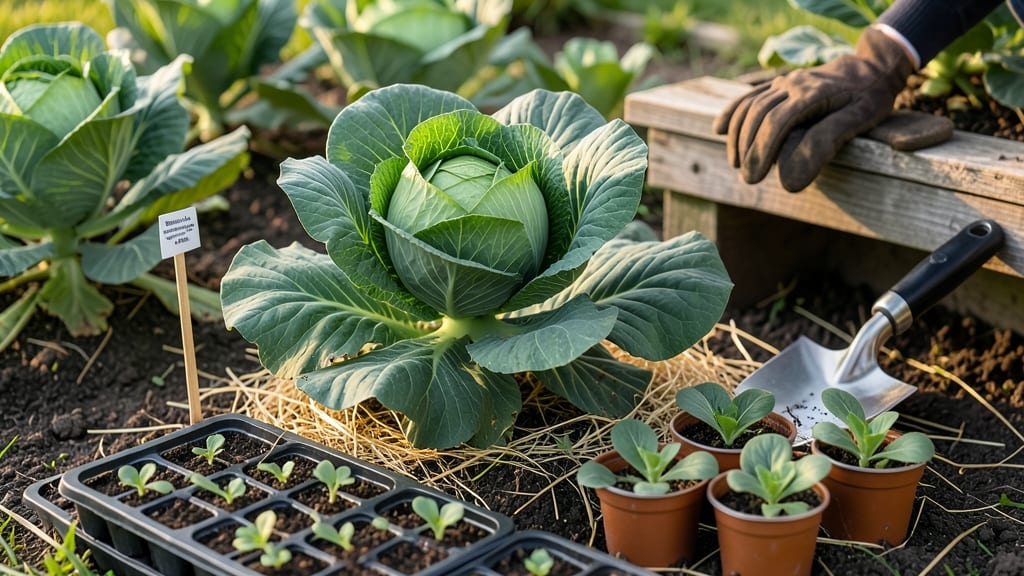
Planting cabbage in Illinois at the right time means the difference between a bountiful harvest and a bitter disappointment.
Cabbage thrives in Illinois’ climate—but planting it at the wrong time means bolting, pests, or wasted effort. Get the perfect timing down to the week, and you’ll harvest crisp, flavorful heads all season long.
For spring plantings, aim for mid-March to late April in zones 5b-6a, while fall cabbage should hit the soil between early July and mid-August. These windows align with frost-free dates and soil temperatures that keep your 🥬 happy and productive.
In this guide, I’ll break down the exact dates for your region, how to prep soil for success, and which cabbage varieties handle Illinois’ heat and humidity best. No more guesswork—just reliable harvests.
Best Illinois cabbage planting dates by season (spring vs fall)
Timing is everything when growing cabbage in Illinois. The state’s USDA zones 4-6 offer two ideal planting windows—spring and fall—but getting the dates wrong can lead to bolting or stunted growth.
For northern Illinois (zones 4-5), aim for cooler soil temperatures, while southern Illinois (zone 6) can push planting slightly later. Let’s break down the exact windows and soil conditions for success.
Cabbage thrives when soil temperatures stay between 40°F and 85°F. In spring, plant when daytime temps are consistently above 50°F but before soil heats past 75°F.
For fall, start seeds indoors or transplant outdoors when nighttime temps drop below 70°F—typically 8-10 weeks before the first frost. Illinois’ average last frost date is April 15, while the first frost usually arrives October 15.
For spring planting, I recommend starting seeds indoors 4–6 weeks before your last frost date. In northern Illinois, that’s typically by March 1, while southern Illinois gardeners can wait until March 15.
Transplant seedlings outdoors when they’re 4–6 inches tall and soil temps are above 50°F. Space plants 18–24 inches apart to allow for head development and airflow, which reduces disease risk.
Fall planting requires more precision. Start seeds indoors 8–10 weeks before the first frost—around July 1 for northern Illinois and July 15 for southern regions. Transplant seedlings outdoors by August 1 (northern) or August 15 (southern).
Choose late-maturing varieties like ‘January King’ or ‘Winterbor’ to ensure harvests before winter sets in. These varieties tolerate cooler temps and can handle light frosts.
Don’t overlook soil preparation, which is critical for Illinois’ heavy clay soils. Amend beds with compost or aged manure to improve drainage and fertility. Cabbage prefers slightly acidic soil (pH 6.0–7.0), so test your soil and adjust with lime or sulfur if needed.
A balanced fertilizer (10-10-10) applied at planting and again 4–6 weeks later will keep plants vigorous and productive.
Microclimates play a big role in Illinois. Urban areas like Chicago may experience heat islands, pushing planting dates slightly earlier in spring or later in fall. Conversely, rural areas in northern Illinois (e.g., Dixon or DeKalb) can have shorter growing seasons, so stick to early-maturing varieties.
Always monitor local frost dates—check resources like the Midwestern Regional Climate Center for updates.
If you’re growing cabbage in containers, adjust your timing slightly. Container-grown plants warm up faster, so start seeds 1–2 weeks earlier than in-ground plantings. Use 5-gallon pots or larger to accommodate root growth, and ensure pots have drainage holes.
Place containers in full sun and water consistently, as containers dry out faster than garden beds.
One common mistake Illinois gardeners make is planting too late in spring or too early in fall. Late spring plantings often bolt when summer heat arrives, while early fall plantings may not mature before frost.
To avoid this, use succession planting: sow seeds every 2–3 weeks during the ideal windows to stagger harvests. This ensures a steady supply of fresh cabbage from June through November.
Finally, protect your cabbage from pests like cabbage worms and disease by practicing crop rotation. Never plant cabbage in the same spot two years in a row. If you’re short on space, interplant with radishes or onions, which deter pests naturally.
With the right timing and care, you’ll enjoy crisp, homegrown cabbage all season long!
How to avoid common cabbage planting mistakes in Illinois gardens
Even experienced Illinois gardeners make critical cabbage planting mistakes that lead to wasted effort. Premature bolting from heat stress or cabbage worm infestations can ruin your harvest before it starts. The key to success lies in understanding Illinois' unique climate challenges and adjusting your approach accordingly.
One of the biggest mistakes is planting too early when soil temperatures are still below 50°F. Cold soil slows germination and makes seedlings vulnerable to rot. Another common error is overcrowding plants, which creates poor air circulation and invites fungal diseases like clubroot.
Illinois' variable frost dates (ranging from April 15 in southern regions to May 1 in northern areas) require careful timing. Planting at the wrong time means either stunted growth from late frosts or bolting from summer heat.
⚠️ Critical Illinois Planting Warning
Don't plant cabbage when soil temperatures exceed 85°F—this triggers premature bolting. In Illinois, this means avoiding late May through July plantings unless you use shade cloth or choose heat-tolerant varieties like 'Golden Acre'.
For fall crops, start seeds 10-12 weeks before first frost (typically by July 15) to ensure mature heads before winter sets in.
To prevent cabbage worm infestations, implement a succession planting strategy—space plantings every 2-3 weeks from spring through early summer. This breaks up pest cycles and ensures a continuous harvest. Use row covers for the first 4-6 weeks to protect young plants from early worm attacks.
Illinois gardeners often overlook soil preparation—amend your beds with compost and aged manure to create loose, fertile soil. Cabbage prefers slightly acidic soil (pH 6.0-6.8).
Test your soil in early spring and adjust with pelletized lime if needed. Add a 2-inch layer of mulch to retain moisture and suppress weeds.
For frost protection, use lightweight row covers or old bedsheets when nighttime temperatures dip below 32°F. In northern Illinois (USDA Zone 5), this is especially critical for late spring plantings. For fall crops, choose cold-hardy varieties like 'January King' that can tolerate light frosts.
Remember: Consistent moisture is key—cabbage plants need 1-1.5 inches of water per week. Use drip irrigation to keep leaves dry and prevent fungal diseases. Water in the early morning to allow foliage to dry quickly.