
Plants
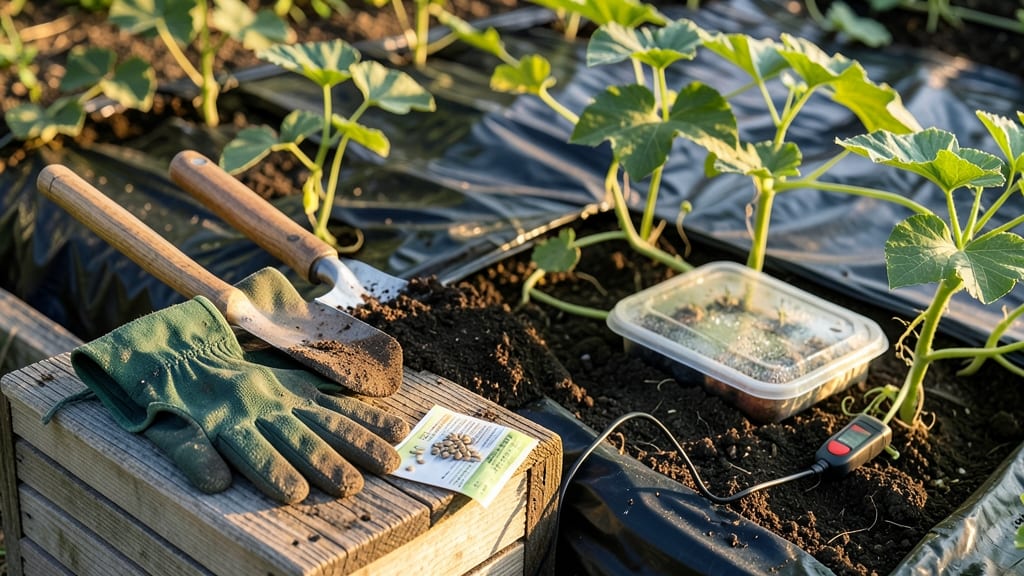
Plant cantaloupe in Louisiana when soil temperatures hit 70°F and all frost risk has passed — typically late February to early April for most of the state.
Louisiana’s long, hot summers are perfect for growing sweet, juicy cantaloupes 🍈 — but planting too early or late can ruin your harvest. Timing is everything, and this guide reveals the exact windows for planting cantaloupe in Louisiana’s unique climate zones.
Most gardeners in USDA zones 8a-9b wait until after the March 15 average last frost date, but microclimates like river valleys or urban heat pockets may shift that window by a few weeks.
Below, I’ll break down the ideal planting schedule, how to adjust for local conditions, and the 3 biggest mistakes that kill cantaloupe yields in Louisiana’s heat and humidity.
Louisiana cantaloupe planting calendar by heat Zone
Louisiana’s USDA zones 8a-9b create perfect conditions for cantaloupes, but timing matters. Cantaloupes thrive in heat and won’t tolerate frost, so planting too early risks stunted growth. Your last frost date (typically mid-March) and soil temperature (minimum 70°F) are your key guides.
Let’s break down the ideal planting windows for both direct-sown seeds and transplants in each zone.
In Zone 8a (northern Louisiana), you’ll have a shorter growing season, so start seeds indoors 4-6 weeks before your last frost.
For Zone 9b (southern Louisiana), you can plant directly outdoors as early as late February—but only if soil temperatures cooperate. Soil thermometers are your best friend—cantaloupe seeds won’t germinate well below 70°F, even in warmer zones.
Here’s your heat-zone-specific planting calendar, including soil prep tips and transplant windows to maximize your harvest.
For direct-sown seeds, wait until soil reaches 70°F+ and nighttime temperatures stay above 55°F.
In Zone 9b, you can even start as early as late January if your soil warms quickly. Transplants should be hardened off for 7-10 days before moving outdoors, and only after all frost risk has passed.
Pro tip: Use black plastic mulch to raise soil temperatures by 5-10°F, which helps in cooler zones like 8a. This trick lets you plant 2-3 weeks earlier than without mulch. Cantaloupes love heat, so the sooner you can get them established, the better your yield will be.
If you’re in Zone 9b, don’t stop at one planting! You can often squeeze in two harvests by planting a second crop in late May for a fall harvest. Just be prepared to water deeply during Louisiana’s hot, humid summers to prevent blossom-end rot.
For transplants, buy 4-6 week old seedlings from a local nursery. Avoid buying from big-box stores—they often carry weak
How to adjust planting for Louisiana’s microclimates
Louisiana’s climate isn’t one-size-fits-all—your urban heat island may be 10°F warmer than nearby river valleys, while coastal areas face humidity challenges that inland gardens don’t. These microclimates can shift your cantaloupe planting window by weeks, so knowing how to adjust is key to a bountiful harvest.
For example, New Orleans’ urban areas often see last frost dates a week earlier than Shreveport’s cooler river valleys. Meanwhile, coastal parishes like Terrebonne may need to plant later to avoid hurricane-season flooding disrupting growth. I’ll show you how to fine-tune your schedule based on your specific location.
- Urban Heat Islands: Plant 1-2 weeks earlier (soil warms faster). Use shade cloth to prevent bolting.
- River Valleys: Delay planting by 10-14 days to avoid late frost. Choose heat-tolerant varieties like 'Athena' or 'Hale’s Best'.
- Coastal Areas: Plant after May 15 to avoid hurricane risks. Use raised beds for drainage.
- Extend Season: Use black plastic mulch to warm soil 2-3°F faster. Row covers can push harvests into October.
- Soil Prep: Test pH (6.0-6.8 ideal). Add compost to improve drainage in heavy clay soils.
If you’re in a hot inland area like Alexandria, you might start cantaloupe seeds indoors in mid-February for transplanting by March 15. But in cooler upland regions near Monroe, wait until April 1 to avoid frost damage. Always check your local AgCenter frost maps for precise dates.
For coastal gardeners, timing is especially critical. Planting too early risks saltwater intrusion from storms, while late planting may mean shorter harvest windows. I recommend using raised beds with drip irrigation to give yourself more control over moisture and drainage.
To extend your growing season, try these tricks: Black plastic mulch can raise soil temperatures by 5-10°F, letting you plant 2 weeks earlier in spring. For fall harvests, use floating row covers to protect vines from early October frosts while still allowing pollination.
Remember, cantaloupes thrive on consistent warmth—if nights dip below 55°F, growth slows dramatically. Use a soil thermometer to confirm temperatures before planting, and choose heat-tolerant varieties like 'Crimson Sweet' for Louisiana’s sweltering summers.