
Plants
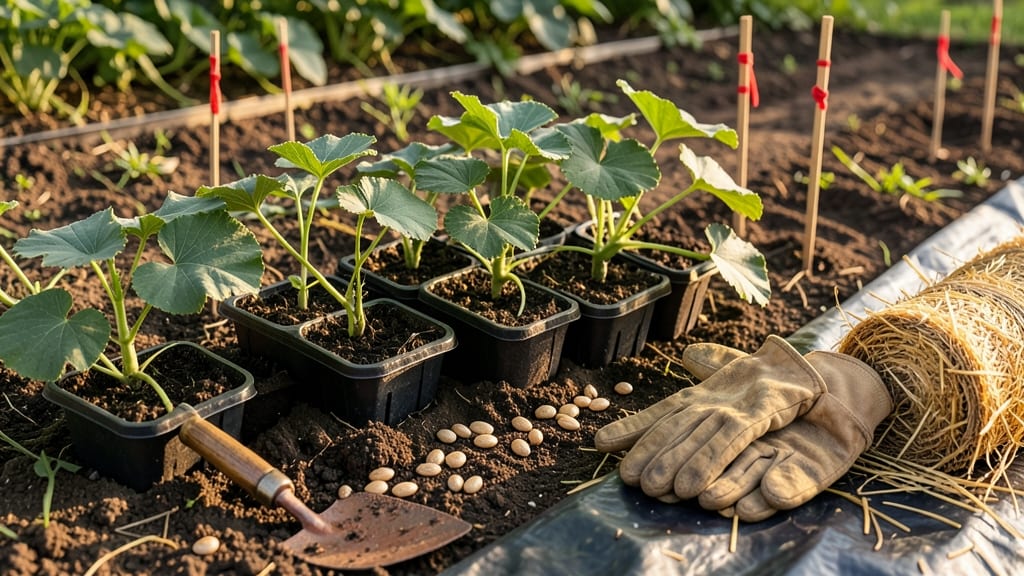
Planting cantaloupe in Virginia after the last frost—when soil hits 60°F—sets the stage for a bountiful harvest 🍈.
Virginia’s warm summers are perfect for cantaloupe—but planting too early or late can mean poor yields or failed crops. Timing your seeds based on soil temperature and frost dates is the secret to sweet, thriving melons.
Most gardeners in zones 6a-8a should wait until mid-April to early June, once nighttime temps stay above 55°F. That’s when the roots warm up, the vines spread, and the fruit ripens in time for summer feasts.
Below, I’ll break down the exact soil-temperature triggers, regional tweaks for Piedmont vs. Coastal Plain, and how to stretch your season with row covers—so you don’t miss a single harvest.
Virginia’s ideal cantaloupe planting schedule by soil temperature
Cantaloupes thrive in Virginia’s heat, but they’re frost-sensitive and need warm soil to germinate. The key to success? Planting when soil temperatures hit 50°F+ and all frost danger has passed. Virginia’s three distinct regions—Coastal Plain, Piedmont, and Mountains—have different frost-free dates, so timing matters.
For Coastal Plain gardeners (like Norfolk), soil warms earliest—often by mid-March—while Mountain areas (like Roanoke) may wait until late April. Piedmont regions (Richmond) typically fall in between, with planting windows opening in early April. Always check your last frost date and wait 2-3 weeks after for safety.
Soil temperature is your best indicator over frost dates. Use a soil thermometer to confirm warmth—cantaloupe seeds won’t sprout below 60°F. In cooler Mountain regions, consider black plastic mulch to raise soil temps by 5-10°F and speed up germination.
Here’s your region-specific planting schedule, including soil temp triggers and frost-free benchmarks:
If you’re starting seeds indoors, begin 4-6 weeks before your region’s last frost date. Use biodegradable pots to avoid transplant shock and harden off seedlings for 7-10 days before moving them outdoors. Direct sowing is also effective once soil is warm, but seedlings may take 7-14 days to emerge.
For Coastal Plain gardeners, early planting means earlier harvests, but watch for cucumber beetles—they love cantaloupe vines. Use row covers for the first 2 weeks to protect young plants. In the Piedmont, staggered planting every 2 weeks extends harvests through summer.
Mountain gardeners should focus on heat-tolerant varieties like ‘Minnesota Midget’ and use black plastic mulch to create a warmer microclimate. Even in cooler areas, cantaloupes can thrive if given enough heat and sunlight. Remember: full sun (6-8 hours daily) is non-negotiable for sweet, flavorful fruit.
Pro tip: Test your soil before planting—cantaloupes prefer pH 6.0-6.8. Amend with compost or aged manure to improve drainage, as soggy soil leads to rot. Once planted, keep soil consistently moist but not waterlogged, especially during flowering and fruiting.
By aligning your planting with soil temperature and regional frost dates, you’ll set your cantaloupes up for a bountiful Virginia harvest. Happy growing! 🌱
How to extend Virginia’s cantaloupe growing season with row covers and succession planting
Virginia’s cantaloupe season can feel short, but with the right techniques, you can extend harvests by weeks. Row covers and succession planting are my go-to methods for beating early frost and maximizing sweet melons.
These strategies work especially well in Virginia’s USDA zones 6a-8a, where nights can still dip into the 40s (°F) even after summer begins.
One of the biggest mistakes I see is planting all cantaloupe seeds at once and hoping for the best. Instead, I stagger my plantings every 2-3 weeks to ensure a continuous harvest.
For example, if your first planting goes in late May, follow up with a second in early June and a third in mid-June. This way, when the first batch ripens in July, the next is already flowering, and the final batch is just getting started.
Row covers are a game-changer for cooler nights. Made from lightweight fabric, they trap heat and protect young plants from temperatures below 50°F. I use them until the soil warms consistently above 60°F and plants are established. For extra protection, pair them with black plastic mulch, which warms the soil faster and suppresses weeds. This combo gives cantaloupes a 3-4 week head start in the growing season.
🌱 5 Key Steps to Extend Your Cantaloupe Season
- 1. Start with staggered plantings every 2-3 weeks from late May to mid-June for continuous harvests.
- 2. Use row covers until soil reaches 60°F to protect young plants from cool nights.
- 3. Choose cold-tolerant varieties like ‘Athena’ or ‘Hale’s Best’ for earlier harvests.
- 4. Apply black plastic mulch to warm soil and retain moisture for faster germination.
- 5. Monitor frost dates and plan your final planting to finish harvesting before mid-October.
Not all cantaloupe varieties handle Virginia’s humidity and temperature swings equally. I recommend ‘Athena’ for its disease resistance and earlier maturity (about 70 days), which gives it time to ripen before fall.
Another favorite is ‘Hale’s Best’, a classic that thrives in heat but benefits from row covers in cooler springs. For smaller spaces, ‘Minnesota Midget’ is perfect—it matures in just 65 days and produces sweet, compact melons.
Transplanting is another trick I use to extend the season. Start seeds indoors 4-6 weeks before your last frost date (usually mid-April in Virginia). When seedlings have 2-3 true leaves, harden them off for a week before transplanting into the garden.
This early start means you can harvest 2-3 weeks sooner than direct-sown seeds. Just be sure to water deeply after transplanting to reduce shock.
Finally, keep an eye on the weather forecast and be ready to act. If a cold snap is predicted in late summer, cover your plants with row covers or even old blankets overnight.
Cantaloupes are sensitive to frost, but with these strategies, you can push your harvest into September—or even early October in warmer microclimates like the Coastal Plain. The key is planning ahead and staying flexible.