
Plants
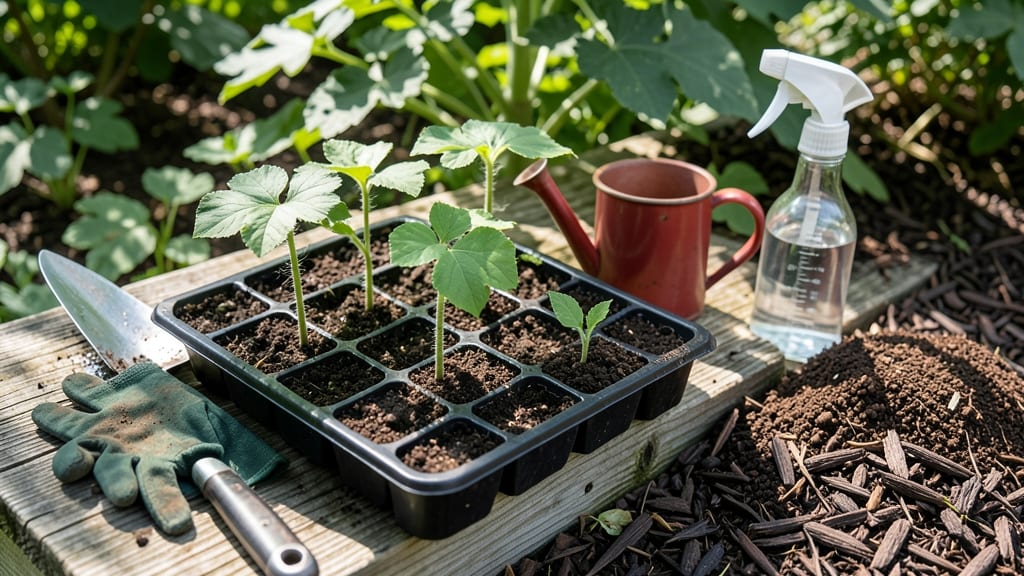
Plant cantaloupe seeds in Texas when soil temperatures hit 70°F+ and nighttime lows stay above 50°F—typically late February to early April in North Texas, February to March in Central Texas, and January to March in South Texas.
Texas gardeners know timing is everything—plant cantaloupe seeds too early, and frost will kill your crop; too late, and sweltering summer heat arrives before fruit ripens. Mastering the perfect planting window ensures juicy, vine-ripened melons instead of bitter disappointment.
This isn’t just about dates—it’s about soil warmth. Cantaloupe seeds need fast germination, which happens only when the ground reaches 75°F+.
A heat zone map by region will help you avoid the two biggest mistakes: planting too soon (and losing seedlings) or too late (and missing the harvest window).
Below, I’ll break down the exact planting windows for your Texas zone, how to prep soil for speedy growth, and the fastest varieties that thrive in our unpredictable heat. No more guessing—just sweet, ripe cantaloupes by summer.
Texas heat-zone map: best planting windows by region
Texas stretches across three distinct USDA hardiness zones for cantaloupe, each with unique frost dates and soil warming patterns. North Texas (7b-8a) faces the latest frost risks, while South Texas (9b-10a) enjoys extended growing seasons.
The key to success? Planting when soil temperatures hit 75°F+—cantaloupe seeds won’t germinate below 60°F, and slow starts invite pests and disease.
Your planting window shrinks dramatically if you miss the last frost date. In North Texas, that’s typically March 15, while South Texas gardeners can start as early as January 15.
But don’t rush—cantaloupes need 70-90 days to mature, and Texas summers arrive faster than you think. A 30-day window between last frost and peak heat is ideal for most varieties.
Here’s how to align your planting with Texas’ heat zones, including soil temperature triggers and regional adjustments:
| Region | USDA Zone | Last Frost Date | Best Planting Window | Soil Temp Trigger | Notes |
|---|---|---|---|---|---|
| North Texas | 7b-8a | Feb 15–Mar 15 | Late March–Early April | 75°F+ (use black plastic mulch) | Start seeds indoors 3–4 weeks early; transplant after soil warms. |
| Central Texas | 8b-9a | Feb 1–Mar 1 | February–March | 70°F+ (direct sow after last frost) | Ideal for early varieties like 'Athena'; avoid late starts. |
| South Texas | 9b-10a | Jan 15–Feb 15 | January–March | 65°F+ (soil warms faster in Zone 10) | Can plant successive crops through April; watch for heat stress. |
In North Texas, I recommend starting seeds indoors by March 1 to give seedlings a head start. Transplant them into the garden only after soil temperatures consistently stay above 75°F—use a soil thermometer to confirm.
If your garden bed feels cool to the touch, delay planting. Central Texas gardeners have more flexibility but should avoid sowing after March 15, or your cantaloupes may bolt (flower prematurely) before fruiting.
For South Texas, the real challenge isn’t cold—it’s summer heat. Plant early varieties by January 15 to harvest before June’s brutal temperatures. Use shade cloth (30-50%) to protect young plants if daytime highs exceed 95°F.
In all regions, black plastic mulch raises soil temperatures by 5-10°F, speeding germination and reducing water loss.
Pro tip: Adjust for microclimates. A south-facing slope warms faster than a shady corner, so plant there first. If your yard has poor drainage, amend soil with compost to improve warmth retention. And always space vines 3-5 feet apart—crowding invites disease and steals sunlight from developing fruits.
Timing isn’t just about dates—it’s about soil readiness. Test your garden bed with a soil thermometer at a depth of 2 inches. If it reads below 70°F, wait. Patience here means the difference between juicy, ripe cantaloupes and bitter, underripe failures. 🌱
How to time cantaloupe planting for Texas’ short growing season
Texas summers arrive fast, and cantaloupes need warm soil and consistent heat to thrive. The key is planting when your region’s last frost date has passed but before scorching summer temperatures (above 90°F) stall growth.
For North Texas (Zones 7b-8a), aim for late March to early April—South Texas (Zones 9b-10a) can start as early as late January.
Direct sowing is best for cantaloupes, but transplanting can buy time in cooler regions. Start seeds indoors 4-6 weeks before your target outdoor date, using biodegradable pots to avoid root disturbance.
My go-to varieties for Texas’ unpredictable weather are 'Athena' (70-day harvest) and 'Minnesota Midget' (65 days), both of which mature quickly before summer’s peak heat.
🌱 5 Critical Steps to Extend Your Texas Cantaloupe Season
- 1 Test soil temperature—wait until it hits 70°F+ (use a soil thermometer). Cold soil delays germination by weeks.
- 2 Use black plastic mulch to warm soil faster and suppress weeds. Lay it down 1-2 weeks before planting.
- 3 Choose raised beds in North Texas to escape late spring frosts and improve drainage.
- 4 Install row covers for early plantings (remove when flowers appear to prevent heat stress).
- 5 Water deeply at soil level (not overhead) to avoid fungal diseases like powdery mildew.
If you’re in Central Texas (Zones 8b-9a), split your planting into two batches: one in late February for early melons and another in early April to avoid summer heat stress.
For South Texas, January plantings often yield fruit by April, but always have shade cloth ready for sudden heat spikes.
Pro tip: Mulch heavily with straw or grass clippings to retain moisture and regulate soil temperature. Cantaloupes need 1-2 inches of water weekly, but in Texas’ dry heat, drip irrigation saves time and prevents leaf burn. My biggest mistake? Skipping mulch and watching vines wilt under 100°F+ afternoons.
For a second harvest, try succession planting with fast varieties like 'Sugar Bush' (75 days) in early May. Just be prepared to provide afternoon shade during July-August’s brutal heat. With these strategies, you’ll beat Texas’ short growing season and enjoy cantaloupes from May through September.