
Plants
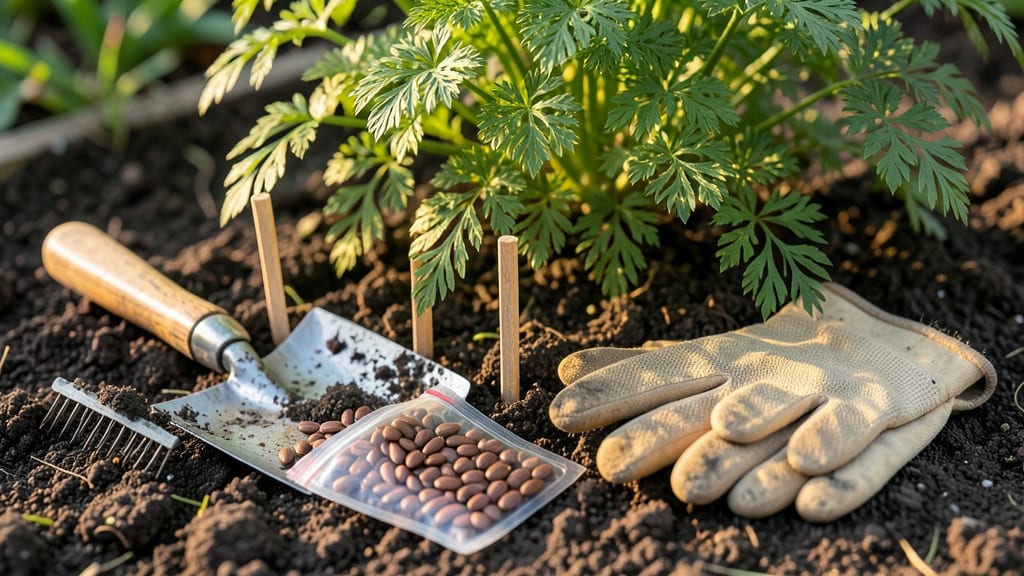
Planting carrots in fall 8 weeks before your first frost is the secret to sweeter, crunchier roots that outshine spring harvests.
Picture this: you’re pulling a perfectly shaped 🥕 from your garden in November, its flavor deeper than anything you’ve grown before. But miss that window, and you’ll end up with bitter, stunted roots—or worse, a crop that bolts before frost.
The difference between success and disappointment comes down to timing, soil prep, and knowing your local frost date.
Fall carrots thrive in cooler weather, avoiding the pests that plague spring plantings, and their roots develop a natural sweetness as they convert starches to sugars in response to shorter days.
But getting the timing right means accounting for your USDA zone, soil temperature, and even how quickly your garden cools down. Skip the guesswork with a step-by-step schedule that adapts to your region, whether you’re in Zone 3 or 10.
In this guide, I’ll walk you through the exact 8-week countdown before frost, how to adjust for your zone, and the one simple trick to salvage a late planting.
By the end, you’ll know exactly when to drop those seeds for carrots that taste like they came straight from a farmers’ market stall.
Fall carrot planting timeline: exact weeks before frost for optimal growth
Fall carrots thrive when planted with precision—8 weeks before your first frost is the golden window for sweet, crisp roots. Unlike spring planting, fall carrots develop deeper flavor in cooler soil, but timing is critical to avoid bolting or frost damage.
My 8-week countdown ensures you align with your local climate, soil temperatures, and USDA zone for perfect harvests.
First, check your average first frost date (use the USDA Plant Hardiness Zone Map). For example, in Zone 6a, frost typically arrives November 1, so I plant my Danvers carrots around September 15.
In Zone 8b, where frost hits later (December 15), I extend my window to October 15. Soil temperature is equally critical—carrots germinate best when soil is 50–85°F.
Here’s how to calculate your planting window: Subtract 8 weeks from your first frost date, then adjust for soil temperature. If your soil cools too quickly (below 50°F), use row covers or a cold frame to extend the season.
For instance, in Zone 4a, I plant 10 weeks before frost to account for shorter growing seasons.
Week 1–2: Start with loose, rock-free soil. Carrots need 6+ inches of depth to grow straight—amend clay soil with compost or sand. I mix in aged manure for nutrients and rake the bed smooth.
Avoid fresh manure, which can cause forked roots. Test soil pH (aim for 6.0–7.0) and adjust with lime or sulfur if needed.
Week 3–4: Sow seeds ¼ inch deep, spacing them ½ inch apart in rows 12 inches apart. Thin seedlings to 2–3 inches apart when they’re 2 inches tall—this prevents competition and ensures straight roots.
For faster germination, soak seeds overnight or use a seed starter to protect tiny seedlings from pests like carrot rust flies.
Week 5–6: Monitor soil moisture—carrots need consistent watering to prevent cracking. I water deeply in the morning to reduce fungal risks. Mulch with straw or grass clippings to retain moisture and suppress weeds. Avoid overwatering, which can dilute flavor and encourage rot.
Week 7–8: As temperatures drop, watch for early frost warnings. If frost threatens before harvest, cover rows with floating row covers or a cloche. Carrots can tolerate light frosts (28°F) but may develop woody texture if exposed to hard freezes (20°F).
In Zone 3–5, I use black plastic mulch to warm soil and extend the season by 2–3 weeks.
Harvest time arrives when carrots reach ½–¾ inch diameter and tops are 6–8 inches tall. Pull them gently by the greens—resist twisting, which can damage roots. Store harvested carrots in sandy soil or a cool, dark place for up to 3 months.
For longer storage, cure them in 50°F soil for 24 hours before bringing indoors.
Pro tip: Plant a second crop 2–3 weeks later for a staggered harvest. This works especially well in Zones 7–10, where mild winters allow for extended growing.
For example, in Zone 9a, I plant my first batch in late August and a second in early October to enjoy carrots through December.
🥕
How to adjust your fall carrot planting schedule by USDA Zone
Your USDA zone determines the perfect fall carrot planting window to avoid bolting or frost damage. Cooler climates (zones 3-5) need earlier starts, while warmer zones (7-10) can plant later. Let's break it down by region to maximize your sweet, crunchy harvest.
In zones 3-5, start seeds 9-10 weeks before first frost—typically mid-July to early August. Soils here stay cool longer, so use black plastic mulch to warm the ground.
In zones 6-8, aim for 7-8 weeks before frost (late July to mid-August). These zones balance cool nights with warming days, ideal for carrot growth.
Zones 9-10 can plant until 6-7 weeks before frost (late August to early September). Here, mild winters mean row covers become essential to protect tender seedlings. Always check your last frost date—this is your anchor for timing.
| USDA Zone | Planting Window | Soil Prep Tip | Season Extension |
|---|---|---|---|
| Zones 3-5 | Mid-July to early August (9-10 weeks before frost) | Add compost + black plastic mulch to warm soil | Use low tunnels for early starts |
| Zones 6-8 | Late July to mid-August (7-8 weeks before frost) | Loosen soil to 12" deep; avoid rocks | Row covers for light frosts |
| Zones 9-10 | Late August to early September (6-7 weeks before frost) | Test soil pH (6.0-6.8); amend if needed | Cold frames for winter harvests |
For all zones, soil temperature must stay above 50°F for germination. Use a soil thermometer to confirm—cool soils delay sprouting. In zones 3-5, consider starter plants if your season is short, but direct-sow for best flavor.
Extend your harvest with row covers or cold frames to protect carrots from light frosts (28-32°F). These tools add 4-6°F protection and let you harvest 2-3 weeks longer into winter. Just remove covers during the day for ventilation.
If you miss the ideal window, don’t panic! Plant short-day varieties like 'Paris Market' or 'Little Finger'—they mature in 50-60 days, giving you a second chance. Just adjust your harvest expectations to smaller roots.