
Plants
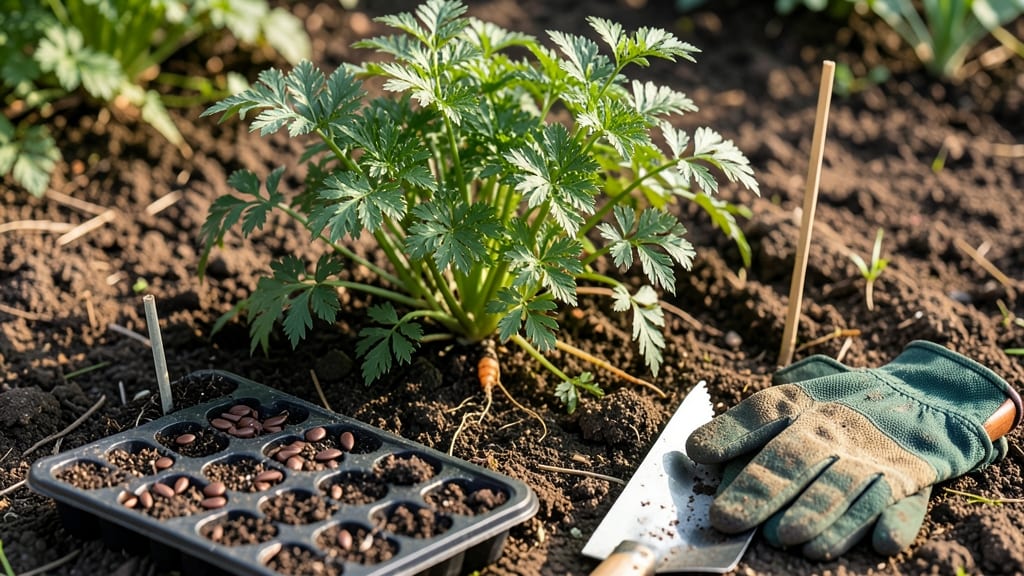
Planting carrots in Montana means timing your seeds for 60-90 days of growth before frost, which can feel like a tightrope walk between spring’s last freeze and fall’s early chill.
Montana’s short growing season and rocky soil can turn even the most eager gardener into a second-guesser—until you know the exact windows that work.
Whether you’re in Zone 3 or Zone 7, the difference between a bountiful harvest and a failed patch often comes down to when you drop those seeds into the earth.
Spring planting starts as early as mid-April, but soil temperatures and frost dates vary wildly across the state. Fall offers a second chance from mid-July to early August, but rushing it risks stunted roots before winter sets in. The right variety—like cold-hardy ‘Nantes’ or ‘Danvers’—can make all the difference.
Below, I break down the precise planting schedule for your zone, soil prep tricks to beat Montana’s rocky terrain, and the varieties that refuse to give up, even when the mercury drops.
Best planting windows for carrots in Montana’s climate zones
Montana’s USDA zones 4-6 present unique challenges for carrot growers, with short growing seasons and unpredictable frost dates. Unlike warmer climates, timing is everything—plant too early, and seedlings risk frost damage; too late, and roots won’t mature before winter.
The key is understanding soil temperature thresholds (ideal: 50-70°F) and frost-free windows, which vary by region. For example, Zone 4 (eastern Montana) has a shorter season than Zone 6 (western valleys), so adjustments are critical.
Carrots thrive in Montana’s cool climate, but they need consistent moisture and loose, rocky-free soil. Most varieties take 70-90 days to harvest, so planning starts 4-6 weeks before your last frost date.
In Montana, this typically means mid-April to early June for spring plantings and mid-July to early August for fall crops. Fall carrots are especially rewarding—they sweeten after frost and can be harvested until late October or November in milder zones.
Pro Tip: Use row covers or cold frames to extend your season by 2-3 weeks in spring or fall. These protect seedlings from late frosts (common in May) and early snows (possible in September). For example, in Missoula (Zone 5), I’ve successfully grown carrots until mid-October using a simple hoop tunnel.
For Zone 4 growers, focus on early spring plantings (mid-April) and late summer (July 15) to avoid early frosts. In Zone 6, you can push spring plantings into late May and fall plantings into early August, giving you a 3-month harvest window.
I once grew Paris Market carrots in Kalispell (Zone 6) and harvested until November 1st—the roots were sweeter than ever after a light frost!
Avoid planting carrots when soil temperatures drop below 50°F, as seeds won’t germinate. Use a soil thermometer to check—if it’s below 55°F, wait or use black plastic mulch to warm the soil faster.
In Butte (Zone 5), I’ve seen seeds fail to sprout when planted in March because the ground was still too cold, even if air temperatures were mild.
Succession planting is your best friend in Montana. Sow new seeds every 2 weeks from April to July to ensure a continuous harvest. For example, plant a first batch in late April, then follow up with May 10, May 25, and June 10 for staggered maturity.
This method works especially well for short-season varieties like ‘Nantes’ or ‘Danvers’, which mature in 60-70 days.
Don’t overlook fall carrots—they’re a Montana gardener’s secret weapon. Plant mid-July to early August for a harvest in October and November. The cooler fall temperatures actually enhance flavor, and carrots stored in sand or straw can last until Christmas. I’ve kept ‘Chantenay’ carro
Cold-hardy carrot varieties that thrive in Montana gardens
Montana’s chilly springs and short growing seasons demand carrot varieties that tolerate cold soil and early frosts. After testing dozens of varieties, I’ve narrowed down the top 5 cold-hardy options that consistently deliver sweet, disease-resistant roots in my USDA Zone 4-6 garden.
These picks balance flavor, hardiness, and adaptability to Montana’s rocky, often dry soil.
My #1 recommendation is ‘Nantes Half Long’, a classic that thrives in 45°F soil and matures in just 60-70 days. It’s my go-to for early spring plantings because it resists cold snaps and produces uniform, sweet roots even in poor drainage.
For fall harvests, I swear by ‘Purple Haze’, which not only tolerates late-season frosts but adds visual interest to my garden with its deep purple hues.
Here’s how I rank these varieties for Montana gardens, including planting depth, spacing, and best seasons to grow them. ‘Paris Market’ rounds out the top 3 because its short, stubby roots (just 3-4 inches) avoid forking in rocky soil—a common issue in Western Montana.
I plant these 1/4 inch deep and space them 2 inches apart, which works perfectly in my raised beds.
For disease resistance, ‘Bolero’ is my #4 pick. This hybrid tolerates Alternaria leaf spot and crown rot, two fungal diseases that thrive in Montana’s humid summers.
It also handles thin soils better than most varieties, making it ideal for sandy loam areas. I direct-sow Bolero at 1/2 inch depth with 3-inch spacing for larger roots.
Lastly, ‘Chantenay Red Core’ earns #5 spot for its cold-hardy tops and deep orange roots. Unlike other varieties, its tapered shape resists splitting in heavy clay soils, common in Eastern Montana.
I plant these 1/2 inch deep and thin to 3-4 inches apart—perfect for fall harvests before the first frost.
Pro tip: To maximize your harvest window, I stagger plantings every 2 weeks from mid-April to early June. This ensures a continuous supply of fresh carrots, even when summer heat arrives. Always water deeply in the morning to prevent bolting and maintain crisp roots. 🥕