
Plants
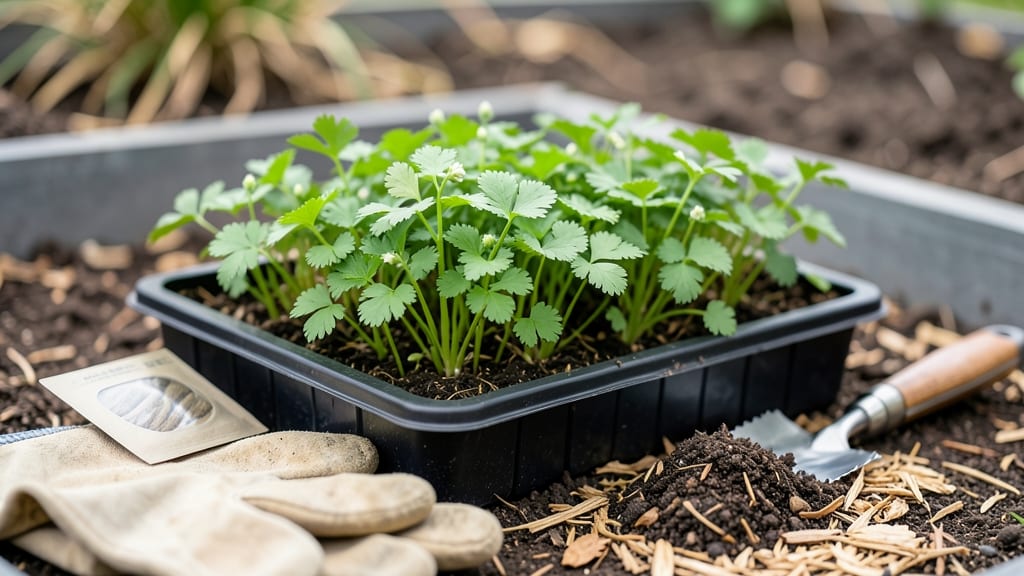
Planting cilantro in Georgia at the right time means the difference between fresh, vibrant leaves and a bitter, bolted mess by summer.
Georgia’s hot summers can turn cilantro into a bitter, bolted mess—but timing your planting just right ensures fresh, vibrant leaves straight from your garden. If you’ve ever pulled up a sad, flowering plant only to find it’s gone to seed, you know how quickly things can go wrong.
The key is planting cilantro in early spring (March–April) or fall (August–September), when temperatures stay mild and the soil isn’t baking. In Georgia’s USDA Zones 7b–8b, frost dates can shift slightly by region, so knowing your last frost date (usually mid-March) is the first step to success.
Below, I’ll break down the best planting windows, how to avoid bolting in the heat, and why a little shade can make all the difference for your cilantro harvest.
Best planting times for cilantro in Georgia’s climate zones
Georgia’s USDA zones 7b-8b create unique challenges for growing cilantro—but with the right timing, you can enjoy fresh leaves year-round. The key is avoiding our 90°F+ summers when cilantro bolts and turns bitter.
Let’s break down the best planting windows for each season, including frost dates and heat tolerance thresholds that matter most in Georgia.
Cilantro thrives in cool temperatures (60-75°F), making spring and fall the ideal seasons. In Georgia, this means planting early spring (March-April) and late summer (August-September) for the best results.
Winter planting is possible in milder microclimates, but most of Georgia’s frost dates make it risky unless you use row covers.
| Season | Planting Window | USDA Zone 7b | USDA Zone 8a | Key Notes |
|---|---|---|---|---|
| Early Spring | March 15 - April 15 | After last frost (mid-March) | After last frost (late Feb) | Soil temps below 70°F; harvest by May |
| Late Summer | August 1 - September 15 | Before 85°F soil temps | Before 85°F soil temps | Use shade cloth if temps exceed 80°F |
| Winter (Mild Zones) | November 1 - December 15 | Zone 8a only; protect from light frosts | Zone 8a only; use row covers | Harvest before first frost (late Nov) |
| Heat Tolerance Threshold | N/A | 75°F max soil temp | 75°F max soil temp | Above 80°F causes bolting |
| First Frost Dates | N/A | Late November | Mid-November | Plant fall cilantro 6-8 weeks before frost |
For spring planting, aim to sow seeds 4-6 weeks before your area’s last frost date. In most of Georgia, this falls between March 15 and April 15. Use a soil thermometer to confirm temps are below 70°F—cilantro seeds won’t germinate well in warmer soil.
In Zone 8a, you can start as early as late February if you’re prepared to protect seedlings with row covers during cold snaps.
Fall is your second-best window, but timing is critical. Plant August 1 through September 15 to ensure cilantro matures before soil temperatures rise above 80°F. In Zone 7b, where summers linger longer, start closer to August 15.
Monitor weather forecasts—if a heatwave is predicted, consider using 30% shade cloth to keep leaves cool and prevent bolting.
Winter planting is only viable in Zone 8a’s mild microclimates, like coastal areas. If you attempt it, sow seeds in November and use lightweight row covers to shield plants from light frosts. Harvest before the first frost, which typically hits mid-November in most of Georgia.
In colder Zone 7b, winter cilantro is a risky gamble unless you’re willing to invest in a greenhouse setup.
One of my biggest mistakes was planting cilantro in May for a summer harvest—big mistake! By June, the plants were bolted and bitter within weeks. Instead, I now rely on succession planting every 2-3 weeks during spring and fall to ensure a continuous supply.
This works especially well in containers, where you can move them to shadier spots as summer approaches.
Pro tip: Use a seedling heat mat if you’re planting in early spring when soil temps are still chilly. Cilantro seeds germinate best at 70-75°F, and a heat mat can help jumpstart growth. Pair this with mulch to keep soil temps
How to extend cilantro’s growing season in Georgia’s heat
Georgia’s sweltering summers can turn cilantro from a fresh herb to a bitter, bolted disappointment—but with the right strategies, you can enjoy vibrant cilantro leaves year-round. The key lies in managing heat stress, soil temperatures, and shade exposure to prevent bolting.
I’ve grown cilantro successfully in USDA Zones 7b-8b by combining shade cloth, companion planting, and smart succession schedules.
Start by planting cilantro in late summer or early fall (August-September) to avoid the peak heat of July. This timing gives your plants a head start before temperatures drop. Pair this with shade cloth (30-50% coverage) to filter harsh sunlight while still allowing enough light for growth.
I’ve found that 30% shade cloth works best in Georgia’s intense sun.
🌿 Key Steps to Extend Cilantro’s Season
- 1. Use 30-50% shade cloth to block direct sunlight during peak heat (10 AM–4 PM).
- 2. Plant companion herbs like basil or dill to improve flavor and deter pests.
- 3. Succession plant every 2 weeks from August through October for continuous harvests.
- 4. Mulch with straw to keep soil temperatures below 75°F and retain moisture.
- 5. Harvest leaves frequently to encourage bushier growth and delay bolting.
Companion planting is another game-changer. I’ve noticed that basil planted nearby not only enhances cilantro’s flavor but also repels pests like aphids. Additionally, succession planting every 2 weeks ensures a steady supply.
For example, sow a new batch in early September, then again in mid-September, and finally in late September to stretch your harvest into November.
Soil temperature management is critical. Cilantro thrives when soil stays below 75°F. Use a thick layer of mulch (2-3 inches of straw or wood chips) to insulate roots and prevent overheating.
I’ve also had success with raised beds filled with a mix of compost and coconut coir to regulate temperature and improve drainage.
Finally, never skip frequent harvesting. Pinching back outer leaves every 1-2 weeks encourages denser growth and prevents the plant from bolting. I harvest cilantro in the morning when leaves are crispest, and this practice has kept my plants productive well into Georgia’s cooler months.
With these techniques, you can enjoy fresh cilantro leaves from late summer through early winter—no bitter bolting in sight! The secret is balancing shade, companion plants, and soil care to keep your cilantro happy in Georgia’s heat. 🌱