
Plants
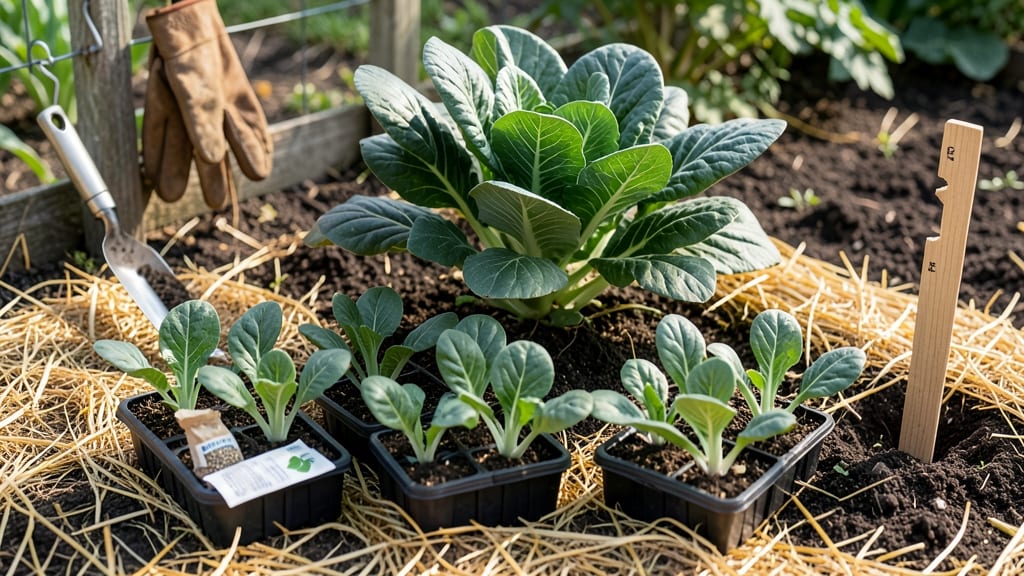
Planting collard greens in Tennessee at the right time means the difference between tender, sweet leaves and bitter, stunted growth — and the ideal window shifts between spring and fall planting.
Tennessee’s mild winters and long growing season make collard greens a perfect crop, but timing is everything. In USDA Zones 7a and 7b, where frost dates can vary by weeks, planting too early risks frost damage, while waiting too long means heat stress.
The key is knowing when to start seeds indoors or set out transplants for a harvest that lasts from May through November.
For spring plantings, aim to sow seeds 4-6 weeks before your last frost — typically mid-March for most of the state. Fall plantings, however, require a different approach: start seeds 6-8 weeks before the first expected frost, usually in late August to early September.
This ensures your collards mature before cold snaps hit in October.
Below, I break down the exact frost-free windows for your Tennessee region, how to adjust for microclimates (like Nashville’s urban heat islands or Chattanooga’s cooler valleys), and the one trick that extends your harvest by 3-4 weeks — even in Zone 7a’s shorter seasons.
Optimal planting dates for collard greens in Tennessee’s Zone 7a/7b
Tennessee’s USDA Zones 7a and 7b offer two prime windows for planting collard greens: early spring and late summer/fall. These cool-season crops thrive when temperatures hover between 50°F and 75°F, making timing critical to avoid bitter leaves or frost damage.
In Nashville (Zone 7a), the last frost typically arrives around mid-April, while Chattanooga (Zone 7b) sees it slightly earlier, around late March. Adjust your schedule based on your microclimate.
For spring planting, aim to sow seeds 4-6 weeks before your last frost date. In Zone 7a, this means mid-to-late March, while Zone 7b gardeners can start as early as late February.
Spring-planted collards will be ready for harvest by late May to June, just in time for summer meals. The key is to get them established before soil temperatures exceed 80°F, which can cause bolting or poor growth.
Fall planting is equally rewarding in Tennessee. Start seeds 8-10 weeks before your first frost, which usually falls around mid-October in both zones. This translates to early-to-mid August for Zone 7a and late July to early August for Zone 7b. Fall crops benefit from cooler temperatures and often produce sweeter, more tender leaves than their spring counterparts. Just be mindful of humidity spikes in late summer, which can promote fungal diseases like downy mildew.
| Planting Window | Zone 7a (Nashville) | Zone 7b (Chattanooga) | Key Considerations |
|---|---|---|---|
| Spring Planting | Mid-to-late March | Late February | Soil temps ≥50°F; avoid planting when nights dip below 40°F |
| Harvest Window | Late May - June | Early May - June | Harvest outer leaves first to prolong production |
| Fall Planting | Early-to-mid August | Late July - early August | Monitor humidity; use row covers if rain is frequent |
| Harvest Window | October - November | September - November | Leaves sweeten after first light frost; protect from hard freezes |
| Soil Temp Threshold | 50°F (min) / 80°F (max) | 50°F (min) / 80°F (max) | Use a soil thermometer to track; amend soil with compost for better heat retention |
Microclimates within Tennessee can shift planting windows by 2-3 weeks. For example, elevated areas like the Cumberland Plateau may experience earlier frosts, while river valleys like the Mississippi Embayment can stay warmer longer.
To account for these variations, I recommend checking your local Cooperative Extension Service frost dates or using a frost calendar app. Even a 5°F temperature difference can impact germination rates and plant hardiness.
If you’re unsure about your exact frost dates, err on the side of caution with spring planting. Seedlings can handle light frosts (down to 25°F), but prolonged cold snaps will stunt growth. For fall crops, prioritize late August starts to ensure collards mature before winter sets in.
In my experience, transplanting 4-6 week old seedlings gives them a head start over direct-sown seeds, especially in Tennessee’s humid climate.
Don’t overlook succession planting to extend your harvest. In Tennessee’s Zone 7a/7b, you can make 2-3 spring plantings (every 2 weeks in March) and 2 fall plantings (every 3 weeks in August). This staggered approach ensures a continuous supply of fresh leaves from May through November.
Just remember to space plantings 12-18 inches apart to prevent overcrowding, which leads to pale, leggy growth.
For container gardening, adjust your timeline slightly. Potted collards warm up faster in spring and cool down quicker in fall. Start container plantings 1-2 weeks earlier than in-ground beds and monitor soil moisture closely—containers dry out faster in Tennessee’s summer heat.
Choose 5-gallon pots with drainage holes to accommodate their 1
How to extend your collard green harvest season in Tennessee
Extending your collard green harvest in Tennessee’s Zone 7a/7b isn’t just about planting once—it’s about creating a continuous supply of tender leaves from spring through late fall. The key lies in staggered planting, succession sowing, and smart overwintering techniques that protect your crop from Tennessee’s unpredictable frost dates.
Unlike many vegetables, collard greens actually sweeten after a light frost, making them perfect for fall and winter harvests. But to get there, you’ll need to plan for two main planting windows: early spring and late summer.
Each requires a different approach to maximize yield and avoid common pitfalls like heat stress or early frost damage.
- 🌱 Staggered Planting: Sow seeds every 2-3 weeks from March to May and August to September for continuous harvests.
- 🌡️ Cold-Hardening: Gradually expose transplants to 40°F nights for 7-10 days before outdoor planting to boost frost tolerance.
- 🪴 Row Covers: Use floating row covers in fall to protect plants from light frosts (28-32°F) and extend harvest by 3-4 weeks.
- 🌿 Mulching: Apply 3-4 inches of straw mulch in late fall to insulate roots and prevent soil temperature swings.
- 💧 Succession Planting: Sow fast-maturing varieties (e.g., 'Georgia Southern') every 3 weeks in late summer for a fall harvest before frost.
For spring plantings, start seeds indoors 6-8 weeks before your last frost date (typically mid-March for most of Tennessee). Once seedlings are 4-6 inches tall and hardened off, transplant them outdoors in well-draining soil with a pH of 6.0-6.8.
To extend your harvest, make a second planting in early June for a late-summer crop that matures just in time for fall flavors.
Fall is where collard greens truly shine in Tennessee. Begin sowing seeds outdoors 8-10 weeks before your first frost (usually late August). Use black plastic mulch to warm the soil and speed up germination.
Once plants are established, apply a light nitrogen fertilizer to encourage leafy growth. As temperatures drop, add row covers or cold frames to shield plants from light frosts, which actually improve their sweetness.
Overwintering collards is easier than you think. After your first frost, stop harvesting and let plants bolster their roots. Apply a thick layer of straw mulch (4-6 inches) to insulate the soil and protect against temperature swings.
In Zone 7a, where winters can be harsher, consider using mini hoop tunnels covered with frost cloth to create a microclimate that keeps plants growing until late winter.
With these strategies, you can enjoy collard greens year-round in Tennessee—from fresh spring harvests to frost-sweetened winter leaves. The secret? Plan ahead, protect your plants, and harvest strategically to keep your garden producing long after most crops have called it quits.