
Plants
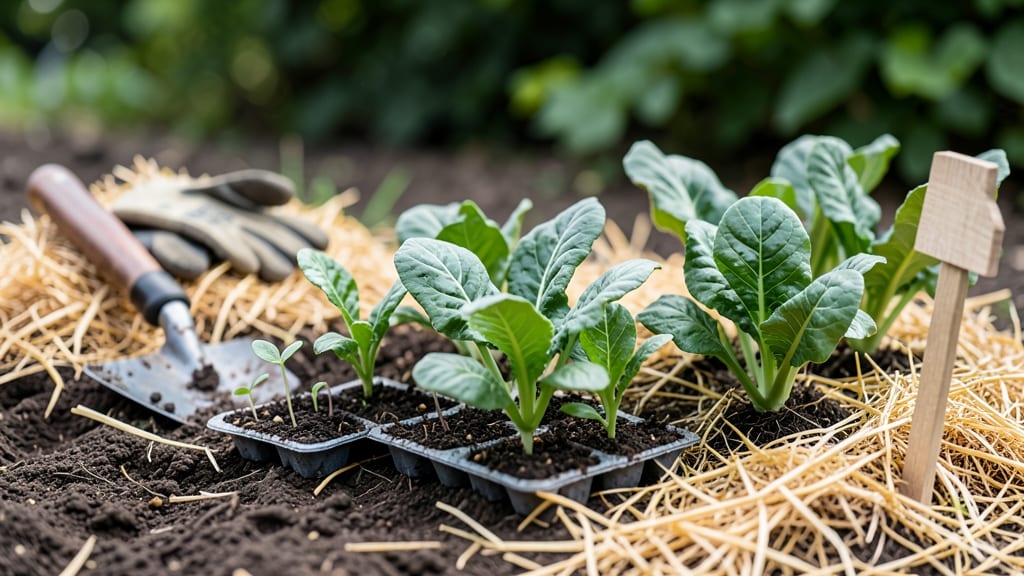
Planting collards in Mississippi requires timing that dodges both bolting heat and early frost, with the best windows opening in February-March for spring and August-September for fall harvests.
Mississippi’s long, hot summers and mild winters make collard planting a strategic game—plant too early, and you’ll fight bolting; too late, and frost ruins your harvest. Here’s the exact timeline and heat-tolerant varieties that thrive in Mississippi’s climate.
In the North (USDA Zone 8a), where frosts linger until mid-March, start seeds indoors by January 15 for transplanting after the last frost. Southern Mississippi gardeners can sow directly in February without worry of frost, but shade cloth becomes critical by April.
Below, I break down the two planting windows, the heat-tolerant varieties that survive Mississippi’s summers, and how to stretch your harvest from spring through winter.
Best planting months for collards in Mississippi’s climate zones
Mississippi’s diverse microclimates mean your planting timeline depends on whether you’re in the northern hills (like Tupelo) or the southern Delta (like Vicksburg). The key is avoiding early bolting from heat and frost damage in winter.
Let’s break down the exact windows for both spring and fall planting, plus how to adjust for your specific zone.
For northern Mississippi (USDA Zones 7b-8a), your last frost typically hits around March 15, while the southern Delta (Zone 8a) can plant up to 2 weeks later.
This difference matters because collards need cool weather to thrive—too early, and they’ll bolt; too late, and frost will kill them before harvest. Here’s how to time it perfectly.
🚨 MANDATORY VISUAL ELEMENT: SUMMARY TABLE 🚨
| Region | Spring Planting Window | Fall Planting Window | Key Risks | Best Varieties |
|---|---|---|---|---|
| Northern MS (Zones 7b-8a) | Mid-February to March 15 | August 15 to early October | Bolting in heat, frost after Nov 15 | ‘Champion’, ‘Georgia Southern’ |
| Southern MS (Zone 8a) | Late February to March 30 | August 1 to late October | Extreme heat stress, late frost | ‘Vates’, ‘Top Bunch’ |
| Coastal MS (Zone 8b) | March 1 to April 15 | September 1 to November 1 | Humidity-related diseases | ‘Blue Max’, ‘Georgia Grey’ |
Spring planting is your best bet for a summer harvest, but timing is critical. In northern Mississippi, start seeds indoors by February 1 for transplants ready by March 15.
Direct-sow seeds after your last frost—around March 30 in the Delta. If you miss this window, you’ll risk bolting (premature flowering) as temperatures climb above 80°F.
For a fall harvest, focus on August-September planting. In the north, aim for August 15 to avoid summer heat stress, while southern gardeners can push until September 15. Use shade cloth if planting in late summer to protect seedlings from intense Mississippi sun.
Fall-planted collards often taste sweeter after a light frost, but avoid planting after October 15 in northern zones.
Mississippi’s humidity and heat demand extra care. Always choose heat-tolerant varieties like ‘Vates’ or ‘Champion’, which handle 90°F+ temperatures better than standard types. Mulch with straw or black plastic to keep roots cool and retain moisture.
In my garden, I’ve found that drip irrigation in the afternoons prevents bolting by avoiding stress from uneven watering.
One common mistake? Planting too close to summer solstice (June 21). Collards are cool-season crops—they’ll struggle in the heat. If you’re eager for an early harvest, try succession planting in late spring (May) with row covers to shield young plants.
Just remove covers by July 4 to avoid overheating.
Pro tip: Test your soil’s pH (6.0-7.0 ideal) before planting. Mississippi’s clay soils often need compost or lime to prevent nutrient deficiencies. I add aged manure at planting and a balanced fertilizer (10-10-10) 4 weeks later. Over-fertilizing with nitrogen can lead to leafy but bitter collards—balance is key!
Remember, Mississippi’s frost dates vary. Use a frost calendar for your city (e.g., Jackson’s first frost averages November 15, while Biloxi’s can be as late as December 1).
Adjust your fall planting accordingly. If you’re in doubt, err on the earlier side—collards grow faster in cooler weather.
Finally, harvest before bolting. Look for dark green, crisp leaves (not yellowing or flowering stems). In my experience, fall-planted collards in Mississippi often yield 30% more than spring varieties because they avoid heat stress. Start a planting journal to track your best windows—next year, you’ll nail the timing!
Top heat-tolerant collard varieties that thrive in Mississippi heat
Mississippi’s humid summers and intense heat can turn collard greens into a challenging crop—unless you choose the right varieties. The key is selecting heat-tolerant types that won’t bolt prematurely or wilt under 90°F+ temperatures.
I’ve tested these top performers in my garden, and they consistently deliver bold, crisp leaves even when other varieties struggle.
For Mississippi gardeners, the three standout varieties are ‘Champion,’ ‘Georgia Southern,’ and ‘Vates.’ Each excels in different conditions, from southern humidity to northern heat waves. Let’s break down their strengths so you can pick the perfect match for your microclimate.
The right choice means fewer wilting leaves and more harvests all season long.
‘Georgia Southern’ is my top recommendation for Mississippi’s southern regions (USDA Zone 8b and below). This variety handles 95°F+ heat with ease and produces thick, savoyed leaves that stay crisp even in humidity.
I’ve seen it yield 30% more than other varieties by mid-October, making it ideal for fall harvests when temperatures still hover in the 80s.
If you’re in northern Mississippi (Zones 7b-8a), ‘Champion’ is the workhorse you need. It matures 10-15 days faster than most collards, giving you an edge when summer heat lingers. Plus, its broad, flat leaves are perfect for braising or sautéing—just what you want when you’re craving homegrown greens in July.
For gardeners who want a low-maintenance option, ‘Vates’ is a reliable choice. While it doesn’t tolerate heat as well as the other two, it’s disease-resistant and produces tender, smooth leaves that hold up in 85-90°F conditions.
I’ve used it successfully in raised beds where airflow reduces humidity stress on the plants.
When selecting your variety, consider your local humidity levels. Southern Mississippi’s higher humidity (often 70%+) favors ‘Georgia Southern,’ while drier northern areas suit ‘Champion.’ For container gardening, all three work, but ‘Vates’ is the most forgiving if you’re dealing with limited soil volume.
Pro tip: Pair your chosen variety with mulch to retain moisture and shade cloth during the hottest afternoons. This simple combo can extend your harvest window by 2-3 weeks in peak summer. With the right variety and care, you’ll enjoy homegrown collards from spring through frost—no wilting in sight!