
Plants
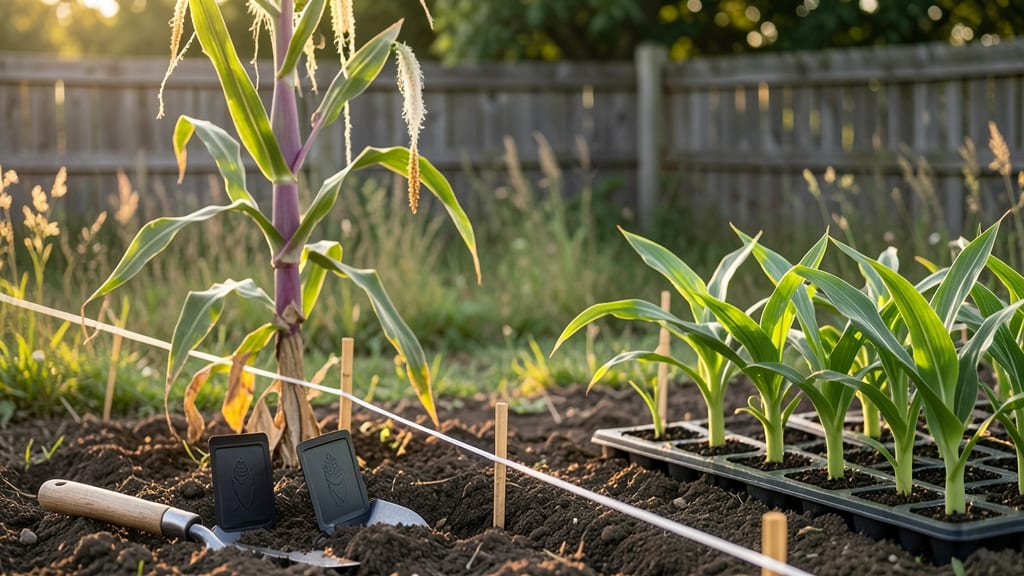
Plant corn in Virginia when soil temperatures hit 50°F or warmer — usually mid-April to early May for most regions, but coastal areas can start slightly earlier.
Virginia gardeners know timing is everything — plant too early, and frost will kill tender 🌽 seedlings; too late, and summer heat reduces yields. But mastering the perfect window ensures sweet, plump ears straight from your garden.
Soil temperature is the real trigger, not just calendar dates. A soil thermometer (or even your elbow) helps avoid the fastest way to waste seed: planting into cold ground. I’ve seen corn emerge in 5 days when warm, but stall for weeks in cooler soil.
Here’s how to pinpoint your exact planting window, adjust for regional microclimates, and pick varieties that thrive in Virginia’s heat — so you’re harvesting by late summer instead of guessing.
Virginia corn planting dates by region: frost-free zones explained
Virginia’s diverse climate zones—from the cooler Blue Ridge Mountains to the milder Tidewater coast—mean corn planting times vary dramatically. Understanding your USDA hardiness zone (5a to 7b) and last frost dates is key to avoiding frost damage or missed harvests.
Coastal areas like Norfolk typically enjoy earlier planting (mid-April), while higher elevations near Roanoke may need to wait until late May.
Corn thrives when soil temperatures reach 50-60°F for consistent germination. In Virginia’s Piedmont region (zones 6a-7a), this usually aligns with late April to early May. Use a soil thermometer to confirm—cold soil delays sprouting and invites pests. Remember, frost-sensitive seedlings can’t handle temperatures below 55°F, so plan accordingly.
For gardeners in coastal Virginia, where milder winters prevail, you can start sowing sweet corn varieties like Silver Queen as early as mid-April.
However, if you’re in the mountain regions, wait until after the last frost date, which often lands in late May or early June. Pro tip: Use black plastic mulch to warm soil faster in cooler zones.
Don’t rely solely on calendar dates—soil temperature is your true guide. Corn seeds won’t sprout reliably below 50°F, even if the air feels warm. Check temperatures in the morning for accuracy.
If your soil is too cold, delay planting by 1-2 weeks or use a seed warming mat for faster germination.
Regional microclimates add another layer of complexity. For example, urban heat islands in Richmond may allow planting 1-2 weeks earlier than rural areas. Similarly, elevated gardens in the Shenandoah Valley can experience frost pockets, requiring later plantings.
Always scout your specific location for 3-5 years of frost records before committing to a schedule.
If you miss the ideal window, don’t despair—succession planting can save your harvest. In zones 7a and warmer, you can plant a second crop in early July for a fall harvest.
Choose fast-maturing varieties (like Ambrosia) that reach maturity in 70-80 days. Just be prepared to provide extra shade cloth as summer heat intensifies.
One common mistake is planting corn too densely in hopes of a bigger yield. Instead, space seeds 1 inch apart in rows 30 inches apart for proper airflow. Overcrowding leads to poor ear development and increases disease risk. Thin seedlings to 10-12
How to test soil temperature for corn germination success
Corn seeds need warm soil to germinate properly—50-60°F is the sweet spot for most varieties. If you plant too early when soil is cold, seeds may rot or take forever to sprout.
I’ve learned the hard way that rushing corn into chilly soil leads to patchy, uneven germination. The key is patience and precision, especially in Virginia’s unpredictable spring weather.
Before you even think about planting, grab a soil thermometer—they’re cheap ($10-$15) and save you from guessing. These handy tools measure soil temperature at the depth where corn roots will form, usually 2-4 inches deep.
I like the ones with a long probe because they give you accurate readings without disturbing the soil too much.
Check temperatures in the late afternoon when soil is warmest. Corn seeds need consistent warmth, so monitor for at least 3-5 days before planting. If temperatures dip below 50°F at night, hold off—cold snaps can stall germination.
Pro tip: Use a clear plastic mulch to warm the soil faster if you’re eager to plant.
⚠️ callout warning ⚠️
Air temperature can be misleading! A sunny 70°F day might hide 40°F soil—too cold for corn. Always check soil temp at planting depth. In Virginia’s Piedmont region, soil warms 1-2 weeks slower than coastal areas due to cooler nights. If your thermometer reads below 50°F, wait or use black plastic mulch to raise temps by 5-10°F.
🌱 Pro Tip: Bury your thermometer 2-4 inches deep where seeds will go.
If cloudy weather keeps soil cool, try these tricks: Cover seeds with clear plastic until soil warms, or plant in black plastic mulch (which can add 5-10°F to soil temp).
I’ve also had success using straw mulch—it insulates the soil while letting light through. Just remember: No mulch means slower warming, so adjust your planting timeline accordingly.
For late plantings (after June), aim for soil temps between 60-70°F—corn tolerates heat better than cold. In Virginia’s Zone 7b, this might mean waiting until mid-June for second plantings. Use quick-maturing varieties like ‘Silver Queen’ (85 days) to maximize your harvest window before fall frosts arrive.
Once your soil hits the ideal range, plant seeds 1 inch deep and keep them moist until germination. With the right soil temperature, you’ll see sprouts in 7-14 days.
I’ve never been more excited than when those first green shoots push through the soil—it’s a sure sign you’ve nailed the timing! 🌱