
Plants
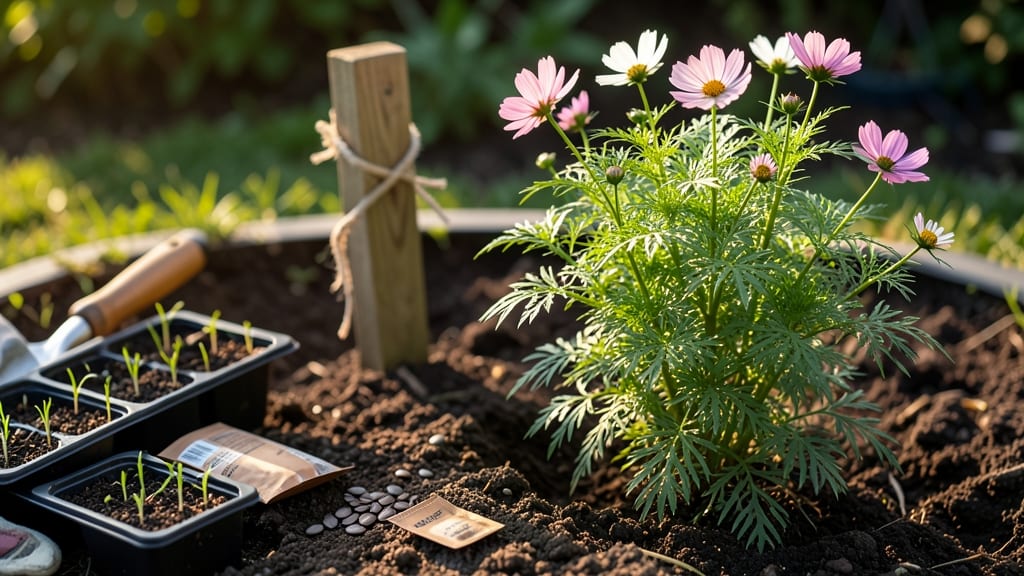
Planting cosmos seeds in Zone 7 at the right time means bold, long-lasting blooms all summer—no guesswork needed.
Picture this: you’ve just tucked those delicate seeds into warm soil, and by July, your garden is bursting with 🌸 pink, white, and purple cosmos, drawing in bees and butterflies. But miss the window, and you’re left with either leggy seedlings or flowers that arrive too late to enjoy.
The key? Timing your planting to avoid frost and heat stress, whether you’re sowing directly or starting indoors.
In Zone 7, the sweet spot for cosmos seeds is mid-spring to early summer, once soil temperatures hit at least 50°F and all frost risk has passed. That’s usually around late April to early May, but fall planting can also work for a second flush of blooms.
Below, I’ll break down the exact dates, soil prep tips, and spacing tricks to ensure your cosmos thrive from seed to showstopper.
You’ll also discover why direct sowing is easiest (no transplant shock!), how to handle succession planting for continuous blooms, and the one mistake that kills germination faster than drought. Let’s get those seeds in the ground the right way.
Optimal spring planting dates for cosmos seeds in Zone 7
Timing your cosmos seeds correctly in Zone 7 ensures vibrant blooms from summer through fall. The key is balancing soil warmth and frost-free conditions—cosmos thrive when nights stay above 50°F (10°C).
In Zone 7, this typically aligns with late April to early May, but exact dates vary by microclimate.
For direct sowing outdoors, wait until after your last frost date (usually mid-April in Zone 7) and when soil reaches 55°F (13°C). Using a soil thermometer helps avoid planting too early, which can lead to rotten seeds or stunted growth. I always test mine in the morning for accuracy.
If you prefer indoor starts, begin seeds 6-8 weeks before your last frost date. This means sowing cosmos seeds indoors around late February to early March in Zone 7. Use seed trays with well-draining soil and keep them under grow lights until hardy enough to transplant.
Here’s a quick reference for your planting timeline in Zone 7:
| Planting Method | Zone 7 Timeline | Soil Temp Threshold | Key Consideration |
|---|---|---|---|
| Direct Sowing | Late April - Early May | 55°F (13°C) | Wait for frost-free nights |
| Indoor Starts | Late Feb - Early Mar | 68-75°F (20-24°C) | Use grow lights for seedlings |
| Transplant Outdoors | Mid-May | 50°F (10°C) | Hardening-off period required |
| First Blooms | Late June - July | N/A | Deadhead for continuous flowers |
Zone 7’s frost risk drops significantly after April 15, but I always double-check local forecasts. A late frost can devastate young cosmos seedlings, so I recommend having a row cover ready if planting early. For extra protection, I sow a few seeds in containers first to monitor their progress.
Once planted, cosmos seeds germinate quickly—often within 7-14 days—if soil stays consistently warm. Thin seedlings to 12-18 inches apart for dwarf varieties or 24-36 inches for taller types. This spacing prevents overcrowding and ensures each plant gets enough sunlight and nutrients.
After germination, maintain moist but not soggy soil. Cosmos are drought-tolerant once established, but young plants need consistent moisture to avoid wilting. I water mine deeply in the morning to reduce evaporation and fungal risks.
For maximum blooms, deadhead spent flowers regularly. This encourages the plant to produce more buds, extending your summer-to-fall display. In Zone 7, cosmos often bloom until the first frost in October, making them a reliable late-season beauty.
Pro tip: If you miss the spring window, don’t worry—cosmos also thrive with fall planting. Just sow seeds 8-10 weeks before your first frost date for a second flush of blooms. This strategy works especially well in Zone 7’s mild winters.
Fall planting cosmos seeds: a smart alternative for extended blooms
Planting cosmos seeds in late summer or early fall in Zone 7 isn’t just possible—it’s a brilliant strategy. While spring planting dominates, fall sowing offers a second wave of blooms that can last through early winter before frost.
This method works especially well in hotter regions of Zone 7, where summer heat can stress seedlings.
Cosmos thrive with succession planting, meaning you can stagger fall sowings every 2-3 weeks for continuous color. The key is timing: seeds need 60-75 days to mature, so aim to plant 8-10 weeks before your first frost (typically mid-August to early September in most of Zone 7).
Fall Planting Cosmos Seeds in Zone 7
✅ Pros
- Extended blooms through fall/winter
- Avoids summer heat stress for seedlings
- Succession planting for continuous color
- Less competition from weeds in cooler months
❌ Cons
- Limited time window before frost
- Slower growth in cooler fall temps
- Requires monitoring for pest pressure
- Less vibrant blooms in colder months
For Zone 7 variations, adjust timing based on your specific microclimate. In cooler inland areas (e.g., parts of Virginia or West Virginia), aim for late August sowings. In warmer southern Zone 7 (e.g., North Carolina or Georgia), you can extend planting until early October.
Prepare your soil by amending with compost to improve drainage—cosmos hate soggy roots. After sowing, keep seeds consistently moist (not waterlogged) and watch for slugs or snails, which thrive in damp fall conditions. A light mulch layer helps retain moisture and regulate soil temperature.
Once established, cosmos are drought-tolerant, but fall-planted varieties may need extra water during dry spells. Deadhead spent blooms to encourage more flowers and trim back leggy stems by 1/3 in late fall to promote bushier growth next season.
Fall-planted cosmos often outperform spring-sown varieties in Zone 7 because they avoid the peak summer heat and establish roots in cooler, more stable conditions. With the right timing and care, you’ll enjoy bold, long-lasting blooms well into winter—long after your spring-planted flowers have faded. 🌸