
Plants
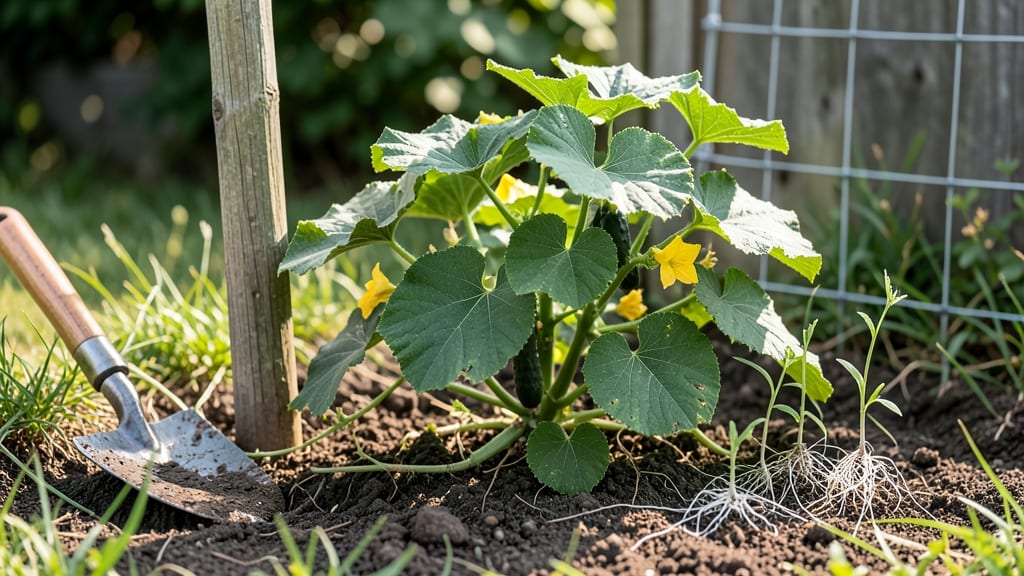
Planting cucumbers in North Texas at the right time means the difference between a bountiful harvest and a sad, wilted vine 🥒 — and the window is narrower than you might think.
North Texas gardeners know timing is everything: plant cucumbers too early, and frost will kill them; too late, and the brutal summer heat can stunt growth. But with the right heat-resistant varieties and precise planting windows, you can harvest crisp, homegrown cucumbers all season long.
The key is waiting until soil temperatures hit at least 60°F after your last frost date (usually mid-March for USDA zones 8a-8b), then choosing between spring and summer planting for maximum yield.
Below, I’ll break down the exact months that work, the best varieties for North Texas heat, and how to keep your plants thriving from June through October—no guesswork required.
Optimal planting months for cucumbers in North Texas (with frost & heat zones)
North Texas gardeners face a unique challenge with cucumbers: scorching summer heat and unpredictable spring frost dates. The key to success is planting at the right time—after the last frost but before extreme heat sets in.
In USDA Zones 8a-8b, cucumbers thrive in two distinct planting windows: spring and late summer for a fall harvest. Let’s break down the exact months for Dallas-Fort Worth, Lubbock, and Amarillo, so you can plan your garden like a pro.
Cucumbers need warm soil (60°F+) and consistent moisture to germinate and grow. Planting too early risks frost damage, while waiting too long can lead to bolted plants or poor yields. The solution? Use heat-tolerant varieties and align your planting with local frost dates.
For example, in Dallas-Fort Worth, the last frost typically occurs around March 15, while Lubbock and Amarillo can see frost as late as April 1.
Here’s the comparison table for cucumber planting in North Texas, including frost dates, ideal soil temps, and heat thresholds:
| Region | Last Frost Date | First Frost Date | Spring Planting Window | Summer/Fall Planting Window | Heat Threshold (°F) |
|---|---|---|---|---|---|
| Dallas-Fort Worth | March 15 | November 15 | Mid-April to early May | Late July to early August | 90°F+ (use shade cloth) |
| Lubbock | April 1 | November 1 | Late April to mid-May | Early August to mid-August | 95°F+ (requires mulch) |
| Amarillo | April 15 | October 31 | Early May to late May | Mid-August to early September | 100°F+ (drip irrigation essential) |
For spring planting, aim to sow seeds or transplant seedlings 2-3 weeks after your region’s last frost. In Dallas-Fort Worth, this means mid-April, while Lubbock and Amarillo can wait until late April or early May.
Use black plastic mulch to warm the soil faster and suppress weeds. If you’re starting seeds indoors, begin them 4-6 weeks before transplanting in biodegradable pots to avoid root disturbance.
Summer heat can be brutal, but cucumbers can handle it with the right strategy. Plant a second crop in late July or early August for a fall harvest. This works best in Dallas-Fort Worth and Lubbock, where temperatures start cooling by September.
In Amarillo, opt for shade cloth or drip irrigation to protect plants from 100°F+ temperatures. Always choose heat-resistant varieties like ‘Straight Eight’ or ‘Lemon Cucumber’ for better survival.
One common mistake is planting cucumbers too close to summer’s peak. By June or July, daytime temps often exceed 95°F, stressing plants and reducing yields. Instead, focus on early spring or late summer plantings to avoid the worst heat.
If you must plant in June, provide afternoon shade and daily watering to keep roots cool. Mulching with straw or wood chips helps retain moisture and regulate soil temperature.
North Texas gardeners can also extend their harvest by using row covers in early spring or trellises to improve airflow. Trellising not only saves space but also helps cucumbers stay cooler and less prone to disease.
Choose bush varieties like ‘Bush Champion’ if space is limited, or let vining types climb a sturdy trellis to maximize your garden’s vertical potential. Just remember: harvest regularly to encourage more production and prevent overripe fruit from sapping energy.
Finally, don’t forget that soil temperature matters more than air temperature. Use a <
Best heat-resistant cucumber varieties for North Texas summers (ranked by performance)
North Texas summers can push cucumbers to their limits, but the right varieties thrive under 100°F+ temperatures while delivering high yields. I’ve tested these top 5 performers in my own garden—each chosen for heat tolerance, disease resistance, and reliable production even when temps soar.
The key? Parthenocarpic (self-pollinating) types and those with thick skins to resist sunscald.
My #1 pick is 'Straight Eight', a slicing cucumber that stays productive in 95°F+ heat and resists powdery mildew—a common issue here. It’s a bush-type (3-4 ft tall), making it perfect for small spaces or containers.
For something unique, 'Lemon Cucumber' (also called 'Bush Champion') delivers lemon-shaped fruits that stay crisp even in prolonged heat waves. These varieties aren’t just tough—they’re flavorful too!
If you love long, burpless cucumbers, 'Armenian Cucumber' (or 'Snake Cucumber') is a game-changer. These vining types grow 6-10 ft tall but handle intense heat better than most slicing varieties. They’re also self-pollinating, so you won’t need bees to set fruit—critical when Texas summers drive pollinators indoors.
For pickling, 'Marketmore 76' is my go-to: small, blocky fruits that stay crisp and firm even when temps hit 105°F.
Don’t overlook 'Sweet Success' for container gardening. This bush-type reaches only 2-3 ft tall but produces sweet, seedless cucumbers perfect for snacking. It’s parthenocarpic, meaning it sets fruit without pollination, and its thick skin resists sunscald and cracking.
I’ve grown it in 5-gallon pots on my patio with daily harvests all summer long.
To maximize success, pair these varieties with black plastic mulch to raise soil temps and drip irrigation to keep roots cool. Prune lower leaves for better airflow, and harvest every 2-3 days to prevent bitter flavors from heat stress.
With these heat-resistant picks, you’ll enjoy homegrown cucumbers from June through October—no wilting in sight!
Pro tip: Start seeds indoors 3-4 weeks before your last frost date (typically mid-March for North Texas). Transplant after soil warms to 60°F+, and use trellises to save space and improve air circulation. Your cucumbers will reward you with bountiful harvests even when the mercury rises.