
Plants
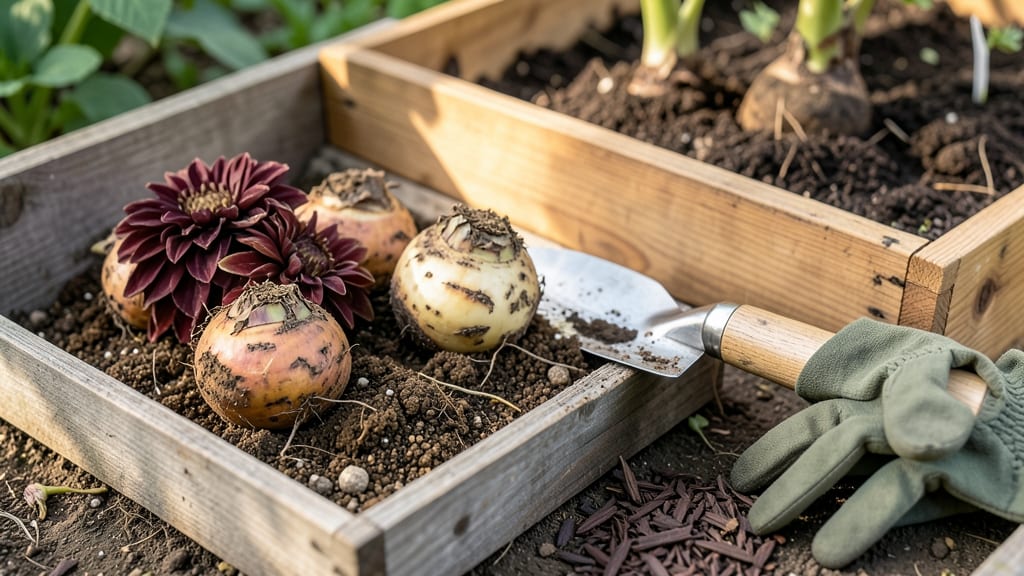
Planting dahlia bulbs in Georgia after the last frost is the key to zero-frost success—and timing it right means the difference between a summer of show-stopping 🌸 blooms and wasted effort.
Georgia gardeners know timing is everything—and planting dahlias too early or too late can mean the difference between show-stopping blooms and wasted effort. Master the perfect window to plant dahlia bulbs in Georgia’s climate, and you’ll unlock a summer of vibrant, frost-free flowers.
With USDA zones 7b-8b, Georgia’s humid subtropical climate means soil warms fast, but a late frost can still sneak in. Most gardeners in the Piedmont region (like Atlanta) should wait until mid-April, while coastal areas like Savannah can start as early as late February.
Below, I’ll break down the exact soil temperature triggers (60-65°F), regional planting timelines, and pro tips to extend your dahlias’ blooming season—so you can enjoy 🌸 flowers from July through October.
Georgia’s ideal soil temperature for planting dahlia bulbs
Dahlias thrive when planted in soil that’s warmed to 60-65°F—this temperature triggers root growth and prevents rot in tender tubers. In Georgia’s USDA Zones 7b-8b, this window typically aligns with mid-March to early April, but your exact timing depends on your region’s microclimate.
Coastal areas like Savannah often hit this mark 2-3 weeks earlier than Atlanta’s Piedmont region, where cooler nights delay warming.
Soil temperature matters more than air temperature because dahlia tubers rot below 55°F. Use a soil thermometer (inserted 4 inches deep) to confirm readiness—this simple tool saves you from planting too soon.
If your soil runs cold, try black plastic mulch or straw bales under raised beds to warm it faster. This trick can shave 1-2 weeks off your planting timeline.
Here’s how Georgia’s regions differ in their ideal planting windows based on soil temperature triggers:
Georgia’s humid subtropical climate creates unique challenges. In coastal areas, soil warms quickly but high humidity increases fungal diseases like powdery mildew. Elevate dahlias in raised beds or containers to improve airflow and drainage.
For North Georgia’s cooler microclimates, prioritize frost protection—even after soil warms, a late frost can devastate young shoots.
If your soil temperature lingers below 60°F by mid-April, don’t panic. Start dahlias in biodegradable pots indoors under grow lights 4-6 weeks before your target date. Transplant the whole pot into the ground once soil warms—this minimizes root disturbance.
For container gardeners, use black pots to absorb heat and plant in south-facing spots where soil warms fastest.
Pro tip: Test your soil’s warmth at different times of day. Morning soil temps can be 5-10°F cooler than afternoon readings. Aim for consistent 60°F+ readings for 3+ days before planting to ensure success.
In Atlanta’s urban heat islands, pavement and buildings can create microclimates where soil warms 1-2 weeks earlier than rural areas just 10 miles away.
For dahlia varieties that tolerate Georgia’s heat, opt for ‘Bishop’ or ‘Café au Lait’—these thrive in 90°F+ temps and bloom until first frost. Pair them with mulch rings (straw or pine needles) to keep roots cool during summer’s peak.
Remember: dahlias need consistent moisture—water deeply every 2-3 days in summer to prevent buds from dropping.
Timing your planting to Georgia’s soil temperature triggers isn’t just about avoiding frost—it’s about giving dahlias the energy to establish roots before summer’s heat sets in. With the right prep, you’ll enjoy continuous blooms from July through October, turning your garden into a living canvas of color. 🌸
Need a quick reference? Bookmark this: Plant when soil hits 60°F, adjust for your region, and mulch heavily to retain warmth. Your dahlias will reward you with bold blooms all season**—no guesswork required! ✂️
Step-by-step planting timeline for Georgia’s regions
Georgia’s diverse climate means your dahlia planting window varies dramatically from North Georgia’s chilly highlands to Coastal Georgia’s humid warmth. Understanding these regional differences ensures your tubers thrive without frost damage or heat stress.
Let’s break down the ideal month-by-month planting schedule for each zone, plus how to adjust when Mother Nature throws curveballs like late frosts or early heatwaves.
In North Georgia (USDA Zones 7a-7b), where average last frost dates hover around April 15, dahlias should wait until soil warms to 60°F+.
Meanwhile, Central Georgia (Atlanta metro, Zone 7b-8a) can plant 2-3 weeks earlier, often by early April. Coastal Georgia (Zones 8a-8b) enjoys the longest season, with March 15 being a safe starting point for early varieties. Always check your local frost-free date—a late freeze can devastate tender dahlia shoots.
🌱 Georgia Dahlia Planting Timeline by Region
- 1 North Georgia (Zones 7a-7b): Wait until mid-April after soil reaches 60°F+. Use black plastic mulch 2 weeks before planting to warm soil faster.
- 2 Central Georgia (Atlanta, Zones 7b-8a): Plant late March to early April when night temps stay above 45°F. Monitor forecasts for late frost warnings—cover young shoots with frost cloth if needed.
- 3 Coastal Georgia (Zones 8a-8b): Start as early as March 15 for heat-tolerant varieties like ‘Café au Lait’. If soil is too wet, wait until April 1 to avoid root rot.
- 4 Adjust for Heatwaves: If temps hit 90°F+ before blooming, plant tall varieties (like ‘Thomas Edison’) in partial shade to prevent wilting. Mulch with straw to retain moisture.
- 5 Late Frost Backup Plan: If frost is predicted after planting, use row covers or move container-grown dahlias to a sheltered spot. Never plant before May 1 in North Georgia’s highest elevations.
Pro tip: Use a soil thermometer to confirm readiness—dahlias won’t sprout until soil hits 60°F. In North Georgia, I’ve seen gardeners rush planting in March only to watch their tubers rot in cold, soggy soil. Patience pays off with healthier stems and longer vase life.
For container gardening, adjust timelines by 1-2 weeks earlier—pots warm up faster. Place containers in south-facing spots and use dark-colored pots to absorb heat. If you’re in Coastal Georgia, consider fall planting (September) for a second bloom cycle before frost.
Remember: Dahlias are frost-sensitive, but they’re also heat-loving. Balance is key—plant too early, and you risk frost damage; too late, and you’ll miss peak summer blooms. By following your region’s timeline and watching the weather forecast, you’ll have cutting-garden-worthy dahlias from July through October.