
Plants
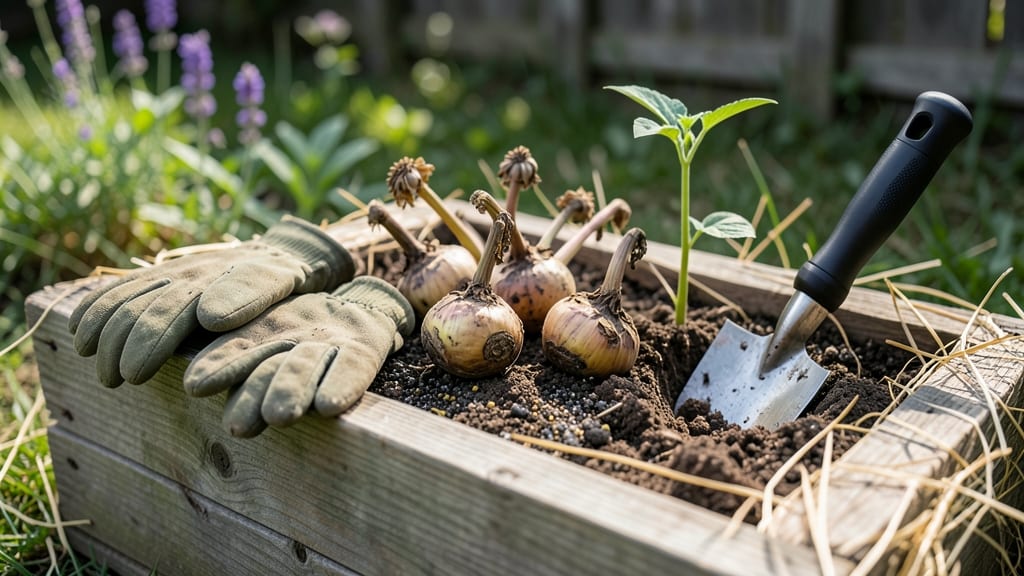
Plant dahlias in Oklahoma after your last frost date — typically between April 15 and May 15 in USDA Zones 7a/7b — to give those tubers time to root before summer’s relentless heat arrives.
Oklahoma’s warm springs and long summers create the perfect window for growing stunning 🌸 dahlias, but planting too early or late can mean missed blooms or stunted growth. Timing is everything, especially when frost dates shift yearly.
If you’ve ever watched your dahlias struggle in Oklahoma’s clay-heavy soil or wilt under the midday sun, you know the stakes. The right planting window ensures strong roots, vibrant blooms, and a garden that thrives from July through October.
Below, I’ll walk you through the exact dates, soil prep tips, and heat-tolerant varieties that work best in Oklahoma’s climate — so you can enjoy peak blooms without the guesswork.
Best planting dates for dahlias in Oklahoma’s USDA Zones 7a/7b
Timing your dahlias correctly in Oklahoma’s USDA Zones 7a/7b means the difference between lush summer blooms and struggling plants. The last frost date typically falls between March 15-30, but soil temperature matters more than air temperature for tuber establishment.
Dahlias thrive when soil reaches 60°F (15°C)—a critical threshold that often arrives 2-3 weeks after the last frost.
For Zone 7a (colder microclimates like northern Oklahoma), aim to plant after April 15 when soil warms consistently. In Zone 7b (warmer southern areas), you can start as early as mid-April if nights stay above 50°F (10°C).
Planting too early risks frost damage to tender tubers, while delaying past May 15 may stress plants before summer heat arrives.
Pro Tip: Use a soil thermometer to confirm readiness—dahlias won’t sprout until soil hits 60°F (15°C). In Oklahoma’s unpredictable springs, this often means waiting until late April to early May for reliable results.
| Zone | Last Frost Date | Ideal Planting Window | Soil Temp Requirement | Risk if Planted Early |
|---|---|---|---|---|
| 7a (Northern OK) | March 15-30 | April 15 - May 1 | 60°F (15°C) | Frost damage to tubers |
| 7b (Southern OK) | March 1-15 | Mid-April - May 15 | 60°F (15°C) | Slow growth, heat stress |
| Both Zones | N/A | Never after May 15 | N/A | Stunted flowering |
Adjust your timeline based on Oklahoma’s microclimates. Western Oklahoma (higher elevation) often experiences later last frosts than eastern areas, while urban heat islands in cities like Oklahoma City can warm soil 1-2 weeks earlier.
For container-grown dahlias, you can plant 2 weeks earlier since pots warm faster, but monitor soil temps closely.
If your spring arrives unusually early (like 2023’s record warmth), consider starting tubers indoors in late March using grow lights. Transplant hardened-off starts 2-3 weeks before your zone’s ideal window to jumpstart growth.
This works especially well for tall varieties that need extra time to establish sturdy stems before Oklahoma’s 90°F+ summers arrive.
Watch for false springs—those warm spells followed by late frosts. If nighttime temps dip below 40°F (4°C) after planting, protect young tubers with frost cloth or row covers.
Oklahoma’s Panhandle region (Zone 7a) sees harder frosts than southeastern Oklahoma, so err on the side of caution there by waiting until mid-May if April shows are unreliable.
For continuous blooms, stagger plantings by 2-3 weeks if you have space. This ensures flowers appear from early July through October, even as some varieties finish their cycles.
In Oklahoma’s humid summers, early plantings give roots time to establish before powdery mildew becomes a threat—another reason to avoid late May starts.
Remember: Dahlias are short-day plants, meaning they bloom more when daylight shortens in late summer. Planting at the earliest possible date within your zone’s window gives them the longest possible growing season to develop strong corms and foliage before Oklahoma’s first frost (typically November 15).
Track your local frost dates using the Oklahoma Mesonet or Almanac’s frost calculator. In my garden, I’ve found that planting May 1 in Zone 7b consistently yields 30% more blooms than waiting until mid-May, thanks to the extra time for root development before summer heat peaks.
Once planted, dahlias need consistent moisture to establish roots—aim for 1-2 inches of water weekly during Oklahoma’s dry spells. Mulch with 2-3 inches of straw to maintain even soil temps and reduce watering needs as summer arrives.
How to prepare dahlias for Oklahoma’s climate: soil, sun, and spacing tips
Oklahoma’s clay-heavy soil and humid summers demand special prep to grow thriving dahlias. Start by testing your soil’s pH—dahlias prefer 6.0 to 7.0. If your soil is too dense, amend it with compost or aged manure to improve drainage and fertility before planting.
This step is crucial in Oklahoma’s Zone 7a/7b, where poor drainage can lead to root rot.
For optimal sunlight exposure, choose a location that receives at least 6 hours of direct sun daily. Dahlias in Oklahoma need full sun to produce their showy blooms, but afternoon shade helps prevent wilting during peak summer heat.
Morning sun is ideal for drying dew quickly, reducing fungal risks like powdery mildew.
Proper spacing between plants is another key factor. Space dahlias 12 to 18 inches apart in rows that are 2 to 3 feet apart. This spacing allows airflow, reducing humidity-related diseases and making it easier to water and harvest without disturbing neighboring plants.
Overcrowding is a common mistake that leads to stunted growth.
⚠️ WARNING: Avoid Planting Too Early in Oklahoma Planting dahlias before the last frost date (typically mid-April in most of Oklahoma) risks tuber rot. Even if your area has an early warm spell, wait until soil temperatures reach 60°F (15°C)—use a soil thermometer to check.
Cold soil slows root development, leaving plants vulnerable to sudden late frosts or fungal infections once temperatures rise. In Zone 7a (northern OK), aim for May 1; in Zone 7b (southern OK), April 15 is safer.
Watering deeply but infrequently is essential in Oklahoma’s humid climate. Dahlias need 1 to 2 gallons of water per plant weekly, but avoid overhead watering to prevent mildew. Instead, use drip irrigation or soaker hoses to deliver water at the base.
Early morning watering (before 10 AM) ensures foliage stays dry, reducing disease risk. Mulch with 2 to 3 inches of straw or shredded leaves to retain moisture and regulate soil temperature.
To prevent powdery mildew, a common issue in Oklahoma’s heat and humidity, apply a fungicide spray preventatively in late spring. Choose varieties with good disease resistance, like ‘Thomas Edison’ or ‘Café au Lait,’ which handle Oklahoma’s conditions better.
Prune plants regularly to improve airflow, removing any yellow or diseased leaves immediately. This proactive care keeps dahlias healthy and blooming all summer.
Finally, stake or cage your dahlias early—especially taller varieties—to support their heavy blooms and prevent flopping in Oklahoma’s summer winds. Use 5-foot stakes or tomato cages for standard varieties, and tie stems gently with soft plant ties.
This support ensures your dahlias stay upright and show off their full beauty from July through frost.