
Plants
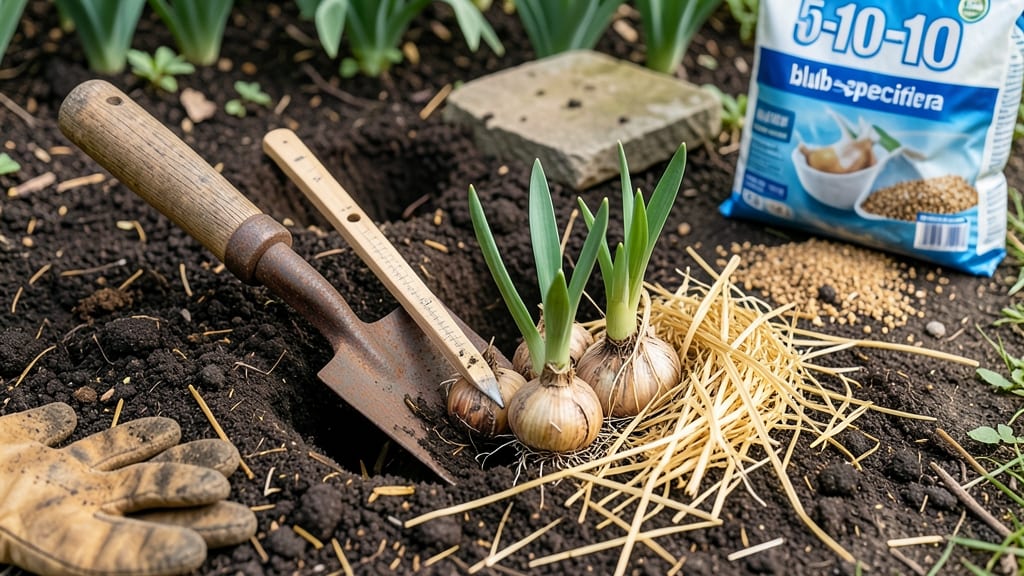
Planting fall bulbs in Zone 4 between mid-September and early October ensures they root before winter’s first frost—the key to vibrant spring blooms.
Zone 4 gardeners know that timing is everything when planting fall bulbs—but did you know the moon’s phases can supercharge your blooms? Plant too early, and frost may strike; too late, and your bulbs won’t root in time.
This 6-week window aligns with soil temperatures dropping below 60°F, signaling bulbs to focus on root growth rather than foliage. Miss it, and you risk weak stems or no flowers next year.
Below, I break down the exact schedule by bulb type, lunar planting tips, and how to prep your soil for stronger blooms—plus common mistakes to avoid.
Best planting dates for fall bulbs in Zone 4 (by bulb type)
In Zone 4, where winters arrive early and summers are short, timing your fall bulb planting is critical for vibrant spring blooms. The ideal window spans from late August through mid-October, but specific bulb types have unique needs.
Plant too early, and frost may damage tender roots; too late, and bulbs won’t establish before dormancy. Let’s break down the perfect schedule for your favorite varieties.
First, check your first hard frost date—typically mid-October in Zone 4. Aim to plant bulbs 6-8 weeks before frost, giving them time to root deeply before winter.
Soil temperatures should hover between 50°F and 60°F (10°C-15°C) for best results. Use a soil thermometer to monitor—cooler soils slow root growth, while warmer soils encourage early sprouting.
Soil prep is just as important as timing. Amend your garden beds with compost or aged manure to improve drainage, and loosen soil to a depth of 12 inches for easy bulb placement. Avoid fresh manure, which can burn delicate roots. In heavy clay soils, mix in sand or perlite to prevent waterlogging, a common issue in Zone 4’s wet winters.
Now, let’s dive into the planting timeline by bulb type. Not all bulbs thrive on the same schedule—tulips, daffodils, crocuses, and alliums each have unique needs. The table below outlines the critical planting windows, depth requirements, and spacing guidelines to maximize next spring’s display.
For tulips, the sweet spot is late September to mid-October, when soil temperatures are cooling but still warm enough for root establishment. Plant them 6–8 inches deep with the pointed end facing upward—this ensures proper sprouting next spring.
Space tulips 4–6 inches apart to prevent overcrowding, which can lead to smaller blooms or disease.
If you’re planting daffodils, start in mid-September to early October. These hardy bulbs tolerate colder soils better than tulips, making them a great choice for Zone 4’s unpredictable fall weather.
Space them 3–6 inches apart and plant 6–8 inches deep. Daffodils are also deer-resistant, a major plus in rural or suburban areas where herbivores raid gardens.
Crocuses are the early birds of the bulb world—plant them as early as late August to early September. Their shallow depth (3–4 inches) and tight spacing (2–3 inches apart) mimic their natural woodland habitats. These tiny bulbs punch above the snow, offering early spring color when little else is blooming.
Don’t overlook alliums, which add dramatic height and texture to spring gardens. Plant them in mid-September to early October, 6–8 inches deep and 6–12 inches apart.
Alliums thrive in full sun and produce striking globe-shaped flowers that attract pollinators. Their late-spring blooming time makes them a perfect partner for tulips and daffodils.
After planting, mulch heavily with 4–6 inches of straw or shredded leaves to insulate bulbs from freezing and thawing cycles. Remove mulch in early spring once foliage emerges, but leave it in place if winter is still harsh.
Water deeply after planting to encourage root growth, then reduce watering once the ground freezes—bulbs need dormancy to store energy for next year’s blooms.
Pro tip: Mark your planting spots with biodegradable flags or a simple sketch of your garden layout. This prevents accidental digging in spring, which can damage emerging shoots.
In Zone 4, where frost can linger into May, don’t be alarmed if foliage appears early—just wait for consistent daytime temperatures above 50°F before removing winter protection.
By following this Zone 4-specific schedule, you’ll ensure your fall-planted bulbs root deeply
Moon phase planting calendar: how to use lunar cycles for stronger blooms
Did you know the moon’s gravitational pull affects how plants absorb water and nutrients? For fall bulbs in Zone 4, aligning planting with the waning moon (when the moon is shrinking) boosts root development and moisture retention.
This is especially critical for bulbs like tulips and daffodils, which need strong roots to survive winter. The right lunar timing can mean the difference between vibrant spring blooms and weak, sparse flowers.
Science backs this up: Studies show that planting during the waning gibbous phase (7 days before a new moon) encourages deeper root systems, while the full moon promotes foliage growth.
For Zone 4 gardeners, this means scheduling your bulb planting around the waning moon in September, when soil temps are still warm enough for root establishment before frost. Miss this window, and your bulbs may struggle to anchor before winter sets in.
| Moon Phase | Best For Planting | Bulb Benefits | Zone 4 Planting Window |
|---|---|---|---|
| Waxing Crescent | Leafy plants | Encourages top growth | Avoid (too early for bulbs) |
| First Quarter | Root crops (bulbs) | Strong root development | Late August (if soil is warm) |
| Waxing Gibbous | Above-ground growth | Faster shoot emergence | Avoid (focus on roots) |
| Full Moon | All plants (neutral) | Balanced growth | Emergency planting only |
| Waning Gibbous | Root crops (bulbs) | Deepest roots, best moisture | Ideal: September 1-15 |
| Last Quarter | Harvesting (not planting) | N/A for bulbs | Avoid |
For Zone 4 gardeners, the waning gibbous phase in early September is your golden window. During this time, the moon’s gravity pulls moisture toward the Earth’s surface, helping bulbs like alliums and crocuses absorb water more efficiently.
This phase also reduces the risk of disease by improving air circulation around the bulbs. Pro tip: Check your local moon phase calendar—aim to plant when the moon is in its last quarter but hasn’t yet reached the new moon.
Timing is everything, but don’t stress if you miss the perfect lunar window. Bulbs planted under a waning crescent moon (just before the new moon) in late September can still thrive, though they may need extra mulch to protect roots from early frost.
The key is ensuring soil temperatures stay above 50°F (10°C) for at least 4-6 weeks after planting. Use a soil thermometer to confirm—this is non-negotiable for Zone 4 success.
Once planted, your bulbs will benefit from the moon’s continued influence. The waning moon helps them store energy for next spring’s blooms, while the dark moon period (new moon) encourages dormancy—critical for surviving Zone 4 winters.
To maximize results, pair lunar planting with proper soil prep: Amend your garden beds with compost and a slow-release fertilizer (like 5-10-10) to give your bulbs a nutrient boost during their rooting phase.
Remember, the moon’s magic isn’t about superstition—it’s about science-backed moisture dynamics. By planting during the right lunar phases, you’re giving your fall bulbs the best chance to establish strong roots before winter. Next spring, you’ll be rewarded with healthier blooms and fewer floppy stems. Happy planting! 🌱