
Plants
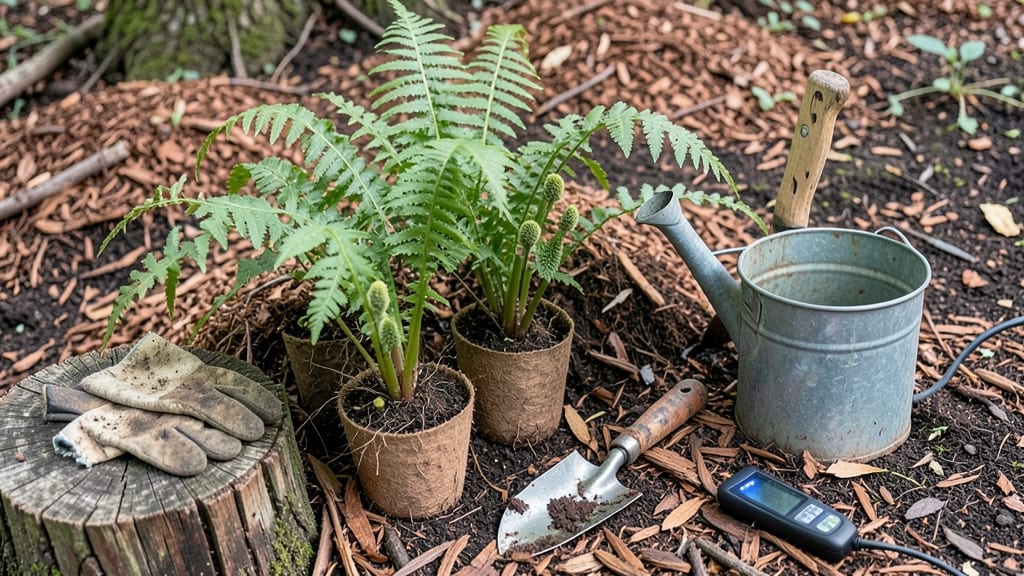
Planting ferns in Michigan during April or early September gives them the best shot at thriving in your shady spots 🌿 — timing matters more than you might think.
Picture this: you’ve prepped the soil, chosen the perfect fern variety, and even picked the shadiest corner of your yard. But if you plant too early, a late frost could wipe them out before they take root.
Too late, and they’ll struggle to establish before winter sets in. Michigan’s 5-6 hardiness zones make this timing even trickier, with northern regions playing by a different calendar than the Lower Peninsula.
Whether you’re tucking ferns into a woodland garden, a container on your patio, or a spot under mature trees, the right month isn’t just about the calendar—it’s about soil temperature, moisture, and even the phase of the moon (yes, really).
I’ll break down the exact windows for your region, plus how to tell when your ferns are truly settled in for the long haul.
By the end, you’ll know not just when to plant, but how to give your ferns the ideal start—so you can enjoy that lush, green foliage from spring through fall without the guesswork.
Best months to plant ferns in Michigan’s climate zones
Michigan’s USDA zones 5-6 create a unique challenge for fern planting—too early and frost zaps tender roots, too late and summer heat stresses new growth. The sweet spot lies in early spring or fall, when soil temperatures hover between 50°F and 65°F.
Southern Michigan (like Detroit) can push planting to late April or early May, while northern regions (Upper Peninsula) should wait until mid-May to avoid late frosts.
Fall planting offers a second chance for Michigan gardeners, with September being ideal for establishing roots before winter. The key is planting 4-6 weeks before first frost—typically by mid-October in southern areas and early October in the north.
This timing lets ferns develop strong root systems before dormancy sets in.
Soil temperature is your best indicator for planting success. Use a soil thermometer to confirm 55°F+ at 4 inches deep. In Michigan’s clay-heavy soils, this often means waiting until late April or early May, even if air temperatures seem mild. Cold soil slows root growth and invites rot.
Container-grown ferns adapt better to Michigan’s microclimates than bare-root plants. You can plant them 2 weeks earlier in spring or 3 weeks later in fall since their root balls insulate against temperature swings. Just ensure containers have drainage holes to prevent waterlogging during Michigan’s humid summers.
Northern Michigan’s shorter growing season (zones 5a-5b) demands extra caution. Focus on hardy varieties like Dryopteris marginalis (marginal wood fern) or Matteuccia struthiopteris (ostrich fern), which tolerate cooler soils.
Southern Michigan gardeners can experiment with tender species like Adiantum venustum (maidenhair fern) but must protect them with mulch or frost cloth in early spring.
| Planting Window | Best Months (Southern MI) | Best Months (Northern MI) | Soil Temp Threshold | Key Considerations |
|---|---|---|---|---|
| Early Spring | Late April - Early May | Mid-May | 55°F+ at 4" | Avoid frost pockets; use mulch |
| Fall | September | Early September | 60°F+ at 4" | 6 weeks before first frost |
| Container Plants | 2 weeks earlier | 3 weeks earlier | 50°F+ at 4" | Drainage critical; monitor moisture |
| Late Spring (Backup) | June (bare-root only) | Not recommended | 60°F+ consistently | High water needs; shade essential |
Michigan’s variable frost dates make late spring planting risky. If you miss the April-May window, consider June planting for bare-root ferns—but only in southern Michigan where summer heat arrives earlier.
In these cases, mulch heavily (3-4 inches) and water deeply every 3-4 days to help roots establish before drought sets in.
Avoid planting ferns in Michigan’s hot, dry summers (July-August). The stress of transplant shock combined with high evaporation rates leads to poor establishment. Instead, focus on dividing mature ferns in early spring or propagating from spores during summer’s humidity peaks.
This approach lets you expand your collection without risking new plantings.
For urban gardeners in Michigan’s concrete jungles, containers offer flexibility. Plant 1-2 weeks earlier in spring or 3 weeks later in fall since pots warm up faster. Choose terracotta or fabric grow bags to prevent root rot in Michigan’s heavy clay soils.
Just remember: containers dry out 3x faster than in-ground plantings, so monitor soil moisture daily during Michigan’s hot, windy summers.
Protect your ferns from Michigan’s late spring frosts (common until mid-May) by selecting low-growing varieties or using frost blankets on young plants. Hardy options like Polystichum acrostichoides (Christmas fern) survive 20°F temperatures, while tender species need row covers until Memorial Day.
Always check your local Michigan State University Extension frost maps for precise timing.
Timing your fern planting to Michigan’s moisture cycles is just as critical as temperature. Aim to plant when rainfall averages 1-2 inches weekly, typically April-May or September. If drought hits, water deeply 2-3 times weekly
How to prepare Michigan soil and microclimates for fern planting
Michigan’s heavy clay soils in the south and sandy loams in the north create unique challenges for fern growers. These plants thrive in moist, well-draining conditions, but our native soil often needs amendments to mimic their natural woodland habitats.
The key is balancing organic matter, pH levels, and moisture retention while accounting for your specific microclimate.
Start by testing your soil’s pH level—ferns prefer acidic to neutral soil (5.0-7.0). Michigan’s clay soils often test higher, while sandy soils may be too acidic. Adjust with elemental sulfur (for high pH) or lime (for low pH) before planting.
This step is critical because ferns won’t thrive outside this range, even with perfect moisture.
Next, focus on organic matter. Work in 3-4 inches of compost or well-rotted leaf mold to improve both clay and sandy soils. For clay: this helps break up compaction and improves drainage.
For sandy soils: it retains moisture without suffocating roots. Mix in a 1-inch layer of peat moss for additional moisture retention, especially in sandy areas.
- Test soil pH (aim for 5.0-7.0) using a home test kit or send a sample to your local extension office.
- Amend clay soil with compost + perlite (50/50 mix) to improve drainage and aeration.
- Amend sandy soil with compost + peat moss (60/40 mix) to boost moisture retention.
- Add mulch (3-4 inches) of shredded bark or pine needles to conserve moisture and suppress weeds.
- Create microclimate pockets by planting near north-facing structures or under mature trees for natural shade.
For urban gardeners, container growing is an excellent solution. Use terracotta or fabric pots with drainage holes and fill with a mix of 50% peat moss, 30% perlite, and 20% compost.
This blend mimics Michigan’s moist, acidic woodland soils while preventing root rot. Place containers in shady spots (morning sun max) and water daily in summer to keep soil consistently moist.
Leverage Michigan’s microclimates to your advantage. Ferns love humidity, so group them near pond edges, sprinkler zones, or under evergreen trees that create natural shade. In dry areas, use drip irrigation or soaker hoses to maintain moisture.
Avoid planting in full sun—even Michigan’s partial shade spots can get too hot for ferns, causing fronds to brown and crisp.
Finally, protect your ferns from late spring frosts (common in Michigan until mid-May). Use frost cloth or row covers for early spring plantings, and choose hardy varieties like Ostrich Fern or Lady Fern for northern regions.
With the right soil prep and microclimate strategy, your ferns will establish quickly and provide year-round greenery.