
Plants
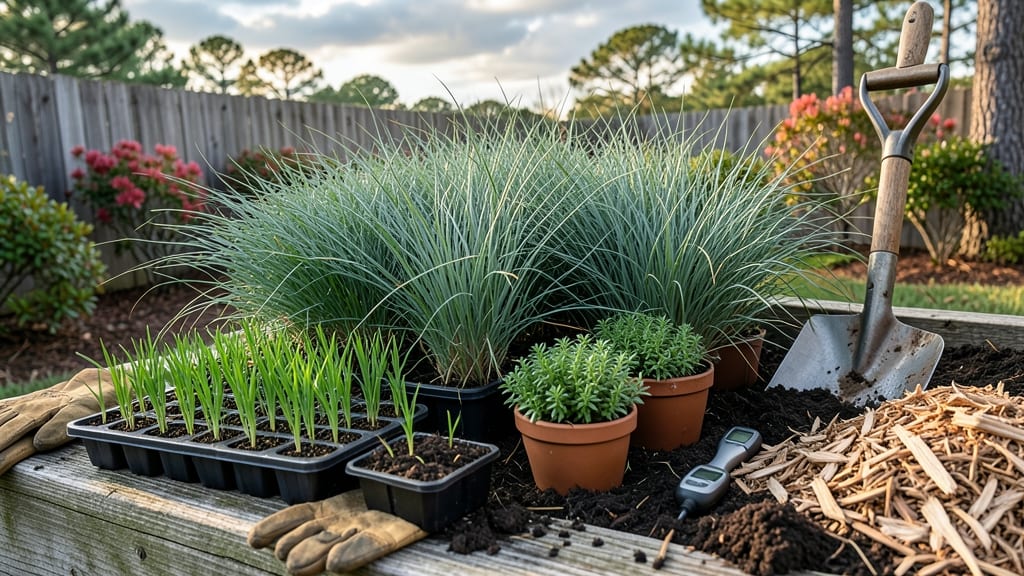
To plant fescue grass in Georgia, aim for early fall or spring when soil temperatures hover between 60°F and 75°F—this window gives roots time to establish before summer heat or winter dormancy sets in.
Georgia’s warm winters and humid summers make timing your 🌱 fescue grass planting critical—plant too early or late, and you risk poor establishment or weed competition.
Whether you’re in the Piedmont’s rolling hills or the coastal plains, the 4- to 6-week window before frost is your best shot at thick, lush turf.
Fall planting (August–September) is ideal for most of Georgia’s 7a-8b zones because cooler temps reduce stress, while spring (March–April) works if you act fast. But here’s the catch: clay-heavy soils and variable rainfall mean prep work matters just as much as timing.
Below, I’ll walk you through the exact planting windows for your microclimate, soil prep steps to beat Georgia’s clay, and how to decide between seed and sod for your yard’s needs.
Best planting windows for Georgia’s 3 microclimate zones (north vs. south vs. Piedmont)
Georgia’s diverse geography creates three distinct planting zones—each with unique temperature thresholds and frost risks that dictate when to plant fescue grass.
Whether you’re in the cool North Georgia mountains, the moderate Piedmont plateau, or the warm South Georgia coastal plains, timing is everything for a thick, resilient lawn. Fall planting is ideal, but spring options exist if you plan carefully.
Fescue thrives in USDA zones 7a-8b, but Georgia’s microclimates shift frost dates by weeks. The Piedmont (Atlanta area) averages last frost around March 15, while North Georgia (Blue Ridge) can see frost until April 15.
Meanwhile, South Georgia (Savannah) often escapes frost entirely, with mild winters perfect for year-round growth.
Here’s your region-specific planting guide, including temperature benchmarks and frost-free windows to maximize success:
| Region | Ideal Planting Window | Temperature Threshold | Frost Risk | Key Tip |
|---|---|---|---|---|
| North Georgia (Mountains) | Late August–September (fall) or April 15–May 15 (spring) | Soil: 60–70°F; Air: 55–75°F | First frost: Mid-October; Last frost: April 15 | Use early varieties like Tall Fescue for cooler soil. |
| Piedmont (Atlanta) | Mid-August–September (fall) or March 15–April 15 (spring) | Soil: 65–75°F; Air: 60–80°F | First frost: Mid-November; Last frost: March 15 | Avoid late summer heat—plant before 90°F soil. |
| South Georgia (Coastal) | July–September (fall) or February–March (spring) | Soil: 70–80°F; Air: 65–85°F | Minimal frost; focus on humidity management. | Choose heat-tolerant varieties like Fine Fescue. |
Fall planting is the gold standard for fescue in Georgia because cooler temperatures reduce water stress and weed competition. The 6-week window before frost (typically August–September) gives seeds time to establish roots before winter dormancy.
In North Georgia, aim for late August to avoid early autumn chills, while South Georgia can push into early October.
Spring planting is riskier but possible if you act fast. Seedlings need consistent moisture during Georgia’s hot, dry summers, so plant after the last frost (March 15 in Piedmont, April 15 in North Georgia) and use mulch to retain soil moisture.
Avoid late spring (May–June) when soil temperatures exceed 80°F, which can cause seed dormancy.
For sod vs. seed, sod wins in spring planting (instant coverage), while seeds are cheaper and better for fall. If using seed, choose fine fescue blends for shade or tall fescue for sun-heavy areas.
Always test soil pH (ideal: 5.8–6.5) before planting—Georgia’s clay-heavy soil often needs gypsum or compost to improve drainage.
Pro tip: Use a soil thermometer to confirm 60–70°F soil temps before planting. In North Georgia, morning frost can still occur in late September, so protect young seedlings with row covers if needed.
For South Georgia, prioritize drainage—coastal areas often suffer from poor water runoff after storms.
Adjust for early vs. late varieties: Early fescue (e.g., Kentucky-31) germinates faster in cool soil (ideal for North Georgia), while late varieties (e.g., Titan) handle warmer soil better (better for Piedmont/South).
Always check the seed packet for days to germination—some take 14–21 days in Georgia’s heat.
Remember: Watering is critical in the first 4–6 weeks after planting. Aim for 1 inch of water per week, either from rain or irrigation. In drought-prone Piedmont, consider drip irrigation to avoid fungal issues from overhead watering.
Mulch with straw (not wood chips) to lock in moisture and suppress weeds.
By aligning your planting with your microclimate’s frost dates and soil conditions, you’ll give your fescue the best shot at outcompeting weeds and thriving through Georgia’s humid summers and mild winters. 🌱
Soil preparation checklist: 5 critical steps before planting fescue in Georgia’s clay-heavy soil
Georgia’s clay-heavy soils can make or break your fescue grass success—without proper prep, roots struggle to establish, and your lawn may end up patchy or drought-prone.
The key is breaking up compaction, balancing pH levels, and improving drainage before planting. Skipping these steps often leads to poor germination and weed invasion.
Start by testing your soil’s pH level—fescue thrives in a range of 5.8 to 6.5. Georgia’s native clay often tests higher (alkaline), so you’ll likely need to lower pH with sulfur or peat moss.
If your soil is too acidic (<5.8), lime will be your best friend. Grab a soil test kit (or send a sample to UGA Extension) for precise adjustments.
- 1
- 2
- 3
- 4
- 5
Don’t overlook the tool checklist—having the right equipment makes prep faster and more effective. Grab a broadfork (for deep aeration), a rototiller (if soil is extremely compacted), and a soil pH test kit.
For large areas, rent a landscaping rake to smooth the surface after amendments. Pro tip: Wear gloves and sturdy shoes—clay soil is heavy and can be messy!
After amending, water the soil deeply to 1–2 inches to help organic matter settle. This also gives you a chance to check drainage—if water pools after 24 hours, you’ll need to add more gypsum or create swales (shallow trenches) to redirect water.
Well-prepped soil means faster germination and a thicker lawn come spring.
Once your soil is ready, plant your fescue 4–6 weeks before the first frost (typically late August–early September in Georgia). This timing ensures roots establish before winter dormancy. For spring planting, aim for March–early April, right after the last frost date.
With the right prep, your fescue will outcompete weeds and thrive in Georgia’s clay! 🌱